

Preparing for a chiropractic appointment in Lynbrook, NY is usually straightforward. The most useful preparation is knowing what symptoms to describe, gathering relevant health information, and understanding what may happen during the first visit.
A first appointment often includes a discussion of your concerns, health history, physical examination, and an explanation of possible treatment options. Some people receive care during the initial visit, while others may need additional evaluation before treatment begins.
What should you bring to a chiropractic appointment?
Bring information that helps explain your current health and any factors that could affect care. Useful items may include:
- A list of prescription medications, over-the-counter medicines, vitamins, and supplements
- Reports from recent imaging, such as X-rays, MRI scans, or CT scans, if available
- Information about previous injuries, surgeries, or hospital stays
- Details about other health conditions, including osteoporosis, arthritis, diabetes, bleeding disorders, or heart and circulation problems
- Insurance or identification information if required for registration
- A short list of questions or concerns
If another healthcare provider has already evaluated the problem, bring copies of relevant records when possible. You do not need to organize a complete medical file. A simple written summary of what happened and what has already been tried is often enough.
How should you describe your pain or other symptoms?
Clear symptom details are more helpful than trying to identify the diagnosis yourself. Before the visit, consider writing down:
- Where the discomfort is located
- When it began and whether it started suddenly or gradually
- Whether the symptoms are constant or come and go
- What makes the problem better or worse
- Whether pain travels into an arm, leg, shoulder, hip, or other area
- Any numbness, tingling, weakness, stiffness, headaches, or balance changes
- How the problem affects sleeping, walking, driving, work, exercise, or household activities
For example, “my lower back hurts” gives less information than “the pain began after lifting a storage bin, is worse after sitting, and sometimes travels into the back of my thigh.”
Seasonal habits can also be relevant for local residents. Slippery winter walkways, snow removal, long periods of indoor sitting, commuting, and changes in exercise routines may contribute to a new strain or aggravate an existing problem. Mentioning these details can help create a more complete picture.
Should you avoid eating or drinking beforehand?
Most chiropractic visits do not require fasting. Unless specific instructions were provided, eating a normal light meal and drinking water is generally reasonable.
Avoid arriving overly full, especially if the appointment may involve lying face down, changing positions, or gentle movement testing. At the same time, arriving dehydrated or having skipped meals may make some people feel lightheaded.
If you have diabetes, a history of fainting, or another condition affected by meals, follow the instructions provided by your medical care team.
What should you wear?
Wear comfortable clothing that allows reasonable movement. Loose pants, athletic clothing, or a comfortable shirt are usually practical choices.
Clothing should make it possible to observe posture and movement without unnecessary restriction. Avoid heavy layers that make it difficult to assess the area being examined. In some situations, a gown may be offered, but patients should be able to ask questions about clothing and privacy before changing.
Comfortable footwear can also be useful if the examination includes walking, balance, or movement assessment.
What happens during the first visit?
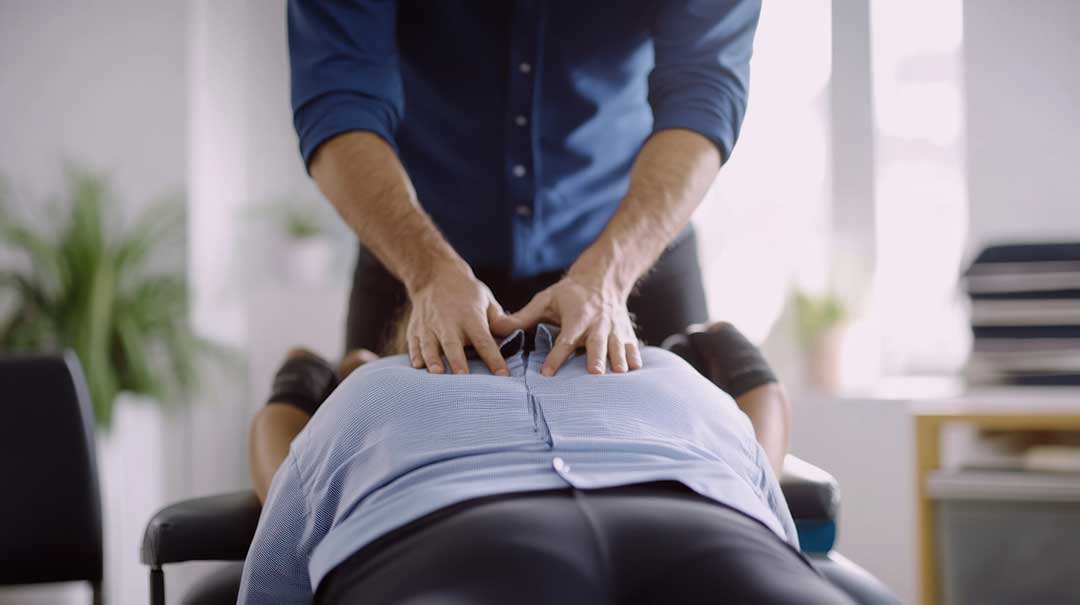
The first visit commonly begins with questions about symptoms, medical history, daily activities, and treatment goals. A physical examination may include observing posture, checking range of motion, assessing muscle strength, and examining reflexes or sensation when appropriate.
The clinician may explain whether the symptoms appear suitable for chiropractic care or whether additional medical evaluation is needed. Treatment may include manual therapy, exercise instruction, movement advice, or other conservative approaches. Spinal manipulation is not automatically appropriate for every person or every condition.
A patient should receive a clear explanation of the proposed treatment, possible benefits, common side effects, and reasonable alternatives. It is acceptable to ask what will happen before agreeing to any technique. Consent should be voluntary, and a patient may decline or pause treatment.
Should you mention medications and medical conditions?
Yes. Medications and health conditions can affect whether certain techniques are appropriate. Be sure to mention blood-thinning medicines, recent steroid use, cancer history, bone-density problems, pregnancy, recent surgery, inflammatory conditions, or a history of significant trauma.
Also mention previous reactions to manual treatment, including unusual soreness, dizziness, headaches, or worsening symptoms. The goal is not to judge the treatment choice but to provide information needed for safer decision-making.
Do not assume that a condition is unrelated simply because it involves another part of the body. General health information can influence examination and treatment decisions.
Are there symptoms that should be checked before a chiropractic visit?
Some symptoms call for urgent medical evaluation rather than routine musculoskeletal care. Seek prompt medical attention for back or neck pain associated with:
- New loss of bladder or bowel control
- Numbness around the inner thighs, buttocks, or genital area
- Significant or worsening weakness in an arm or leg
- Fever, chills, or signs of infection
- Unexplained weight loss
- Severe pain after a fall, collision, or other major injury
- Sudden severe headache, fainting, confusion, or new trouble speaking
- Pain accompanied by chest pressure, shortness of breath, or severe abdominal symptoms
These warning signs do not automatically identify a specific condition, but they may require a different level of evaluation. Delaying care to wait for a routine appointment may be unsafe in these circumstances.
What questions should you ask?
A few direct questions can make the visit more useful:
- What might be causing these symptoms?
- What findings did the examination show?
- Is treatment appropriate now, or is additional testing needed?
- What techniques are being recommended?
- What side effects or temporary soreness might occur?
- What activities should be limited or continued?
- How will progress be measured?
- What symptoms should prompt a call to a medical provider or urgent evaluation?
Be cautious of explanations that promise to correct every health problem through one treatment or that discourage appropriate medical care. Chiropractic care may be one part of managing certain musculoskeletal concerns, but it should not replace evaluation for symptoms that could indicate a serious medical condition.
What should you do after the visit?
Follow the instructions provided, but do not push through sharply worsening symptoms. Mild, temporary soreness can occur after some forms of manual treatment, similar to the feeling after unfamiliar physical activity. Severe pain, progressive weakness, new numbness, fainting, or other alarming changes deserve prompt medical attention.
Keep track of how symptoms respond over the next day or two. Note changes in movement, sleep, work tolerance, and everyday tasks. This information can help determine whether the care plan should be adjusted.
Preparing a symptom summary, bringing an accurate health history, wearing practical clothing, and asking questions can help residents approach the visit with realistic expectations and better information.
