
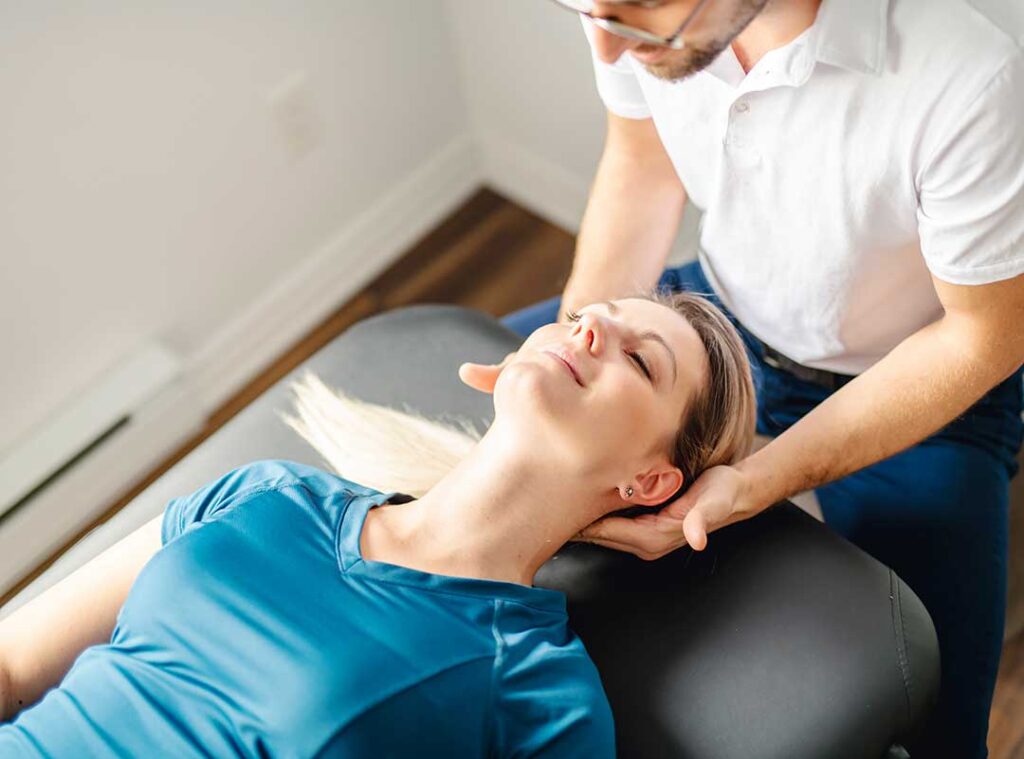
Chronic pain is pain that continues or returns for at least three months. It may follow an injury, develop with arthritis or another health condition, or persist even after the original tissue has healed. Self-care cannot replace evaluation of a new or unexplained problem, but daily habits can often improve movement, sleep, energy, and the ability to manage flare-ups.
What should someone do first?
Start by learning the pattern of the pain rather than reacting to every painful moment. A simple record for one or two weeks can reveal whether symptoms are affected by sleep, sitting, walking, lifting, stress, weather, or particular activities.
Track:
- Where the pain occurs and how it feels
- What makes it better or worse
- Sleep quality and energy level
- Daily activities that were limited
- Any numbness, weakness, swelling, fever, or other new symptoms
The goal is not to monitor pain constantly. The goal is to identify practical adjustments and provide useful information during a medical evaluation. Pain intensity is only one measure; improved walking, better sleep, or greater independence may represent meaningful progress even when discomfort has not disappeared.
How can movement help without making pain worse?
Gentle, regular movement is usually more helpful than prolonged bed rest or complete avoidance of activity. The safest starting point depends on the condition, but many people tolerate short walks, light mobility exercises, water-based activity, or carefully controlled strengthening better than intense workouts.
Begin below the level that reliably causes a flare-up. For example, a person who can walk for 20 minutes but feels worse afterward might try 8 to 10 minutes, followed by recovery, and gradually increase only when symptoms remain manageable.
Useful principles include:
- Warm up with slow movements before stretching or exercise.
- Change position regularly instead of sitting or standing for long periods.
- Increase either duration or intensity, but not both at the same time.
- Stop and reassess if pain becomes sharp, unusually intense, or associated with weakness, loss of balance, or new numbness.
- Avoid treating a temporary reduction in pain as proof that the body is ready for heavy lifting.
Stretching should feel gentle rather than forced. Strengthening exercises may help support the back, hips, shoulders, or knees, but technique and the underlying diagnosis matter. A chiropractor, physical therapist, or medical clinician may help determine which movements are appropriate, particularly after an injury or when symptoms travel into an arm or leg.
What does pacing mean in chronic pain management?
Pacing means dividing activities into manageable portions so that daily life does not follow a cycle of overdoing things and then needing several days to recover. It is different from avoiding activity.
A practical example is household cleaning. Instead of completing every task at once, someone might clean one room, rest, switch to a seated task, and postpone heavier work. Frequently used items can be stored between waist and shoulder height to reduce repeated bending or reaching.
Pacing is especially useful during seasonal chores. Wet leaves, snow, icy surfaces, and cold temperatures can make walking and outdoor work more demanding in Lynbrook. Shoveling, carrying bags, or climbing stairs may be safer when broken into shorter intervals, with stable footwear and planned rest periods.
A flare-up does not necessarily mean that all activity should stop. Reduce the workload, use comfortable positions, and return gradually to the usual routine as symptoms settle.
Can better sleep reduce pain?
Poor sleep can increase sensitivity to pain, reduce concentration, and make normal activities feel more difficult. Improving sleep will not cure every pain condition, but it can make symptoms easier to manage.
Helpful steps include:
- Keep wake-up and bedtime schedules as consistent as possible.
- Use the bed mainly for sleep rather than prolonged phone use, work, or television.
- Keep the bedroom dark, quiet, and comfortably cool.
- Limit caffeine later in the day and avoid relying on alcohol as a sleep aid.
- Create a short wind-down routine, such as quiet reading, breathing exercises, or a warm shower.
- Support painful areas with pillows or an arrangement that reduces strain without forcing the body into an unusual position.
Persistent snoring, gasping during sleep, severe daytime sleepiness, or repeated nighttime waking deserves medical attention. Treating a sleep disorder may improve both energy and pain tolerance.
What role do stress and mood play?

Stress does not mean pain is imaginary. The nervous system can become more alert during periods of worry, grief, conflict, or exhaustion, which may increase muscle tension and pain sensitivity. Addressing stress is therefore a physical pain-management strategy, not a dismissal of the symptoms.
Try brief techniques that can be repeated consistently:
- Slow breathing with a longer exhale than inhale
- Progressive relaxation of the jaw, shoulders, hands, and abdomen
- Mindfulness focused on current sensations without judging them
- Gentle yoga, tai chi, or similar low-impact movement when appropriate
- Breaking difficult decisions or responsibilities into smaller steps
Persistent depression, anxiety, irritability, social withdrawal, or loss of interest in normal activities should be discussed with a qualified health professional. Pain and mood commonly influence one another, and both deserve attention.
Should heat, cold, or over-the-counter medicine be used?
Heat may relax tight muscles and make movement more comfortable. Cold may temporarily reduce soreness after some activities or injuries. Use a cloth barrier, avoid extreme temperatures, and limit applications to short periods. Neither method should be used to ignore worsening symptoms.
Over-the-counter medicines are not risk-free. Anti-inflammatory medicines can affect the stomach, kidneys, blood pressure, and cardiovascular system, while acetaminophen can harm the liver if taken above recommended limits or combined with other products containing acetaminophen. Older adults and people with kidney disease, liver disease, ulcers, blood-thinning medication, pregnancy, or multiple prescriptions should ask a clinician or pharmacist before using them regularly.
Do not change prescribed medicines abruptly, and do not combine sedating medicines with alcohol unless specifically advised.
When does chronic pain require prompt medical attention?
Seek urgent evaluation for pain accompanied by:
- New or progressive weakness
- Loss of bladder or bowel control
- Numbness in the groin or inner thighs
- Chest pain, shortness of breath, fainting, or severe abdominal symptoms
- High fever, unexplained weight loss, or a serious infection concern
- Severe pain after a significant fall or collision
- A swollen, red, hot joint with fever
A routine evaluation is also appropriate when pain is steadily worsening, repeatedly interrupts sleep, causes frequent falls, limits work or household activities, or has not been explained. Chiropractic care may be one component of a broader plan for selected musculoskeletal conditions, but persistent or changing symptoms should first be assessed in a way that considers the full medical history.
The most useful self-care plan is specific and sustainable: a manageable amount of movement, regular sleep, pacing during demanding tasks, attention to stress, and a clear plan for recognizing changes. Progress is often measured by doing more safely and recovering more predictably, not by expecting every day to be completely pain-free.
