
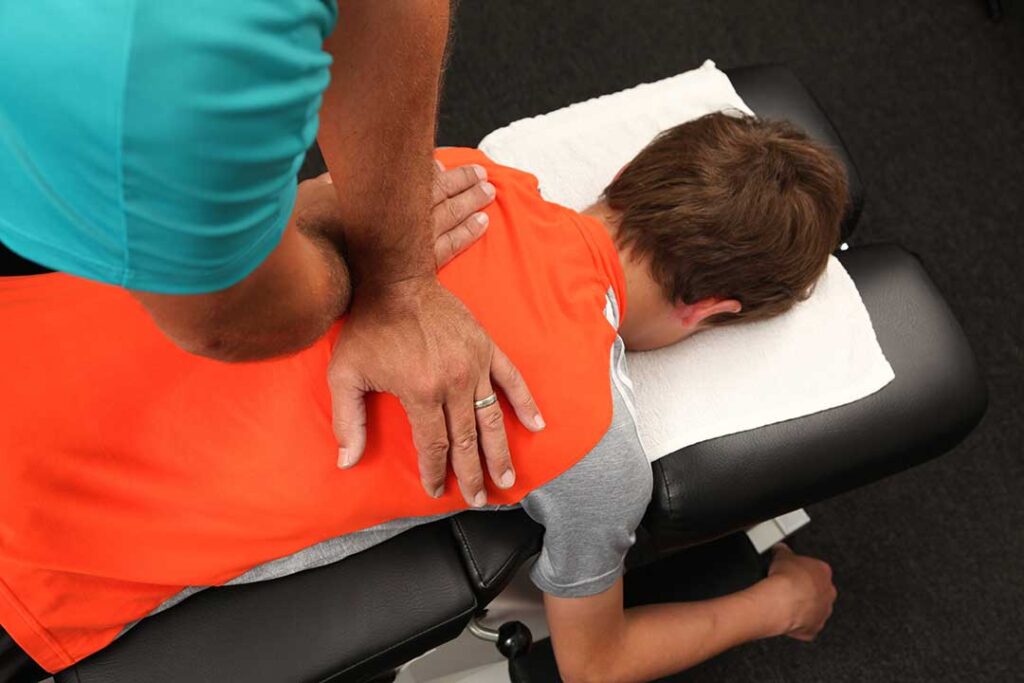
Mild soreness after a chiropractic adjustment is usually temporary and can be a normal short-term response. Many people describe it as muscle tenderness, stiffness, aching, or the feeling of having exercised an area that had not been moving normally.
The discomfort should generally be manageable and should begin improving within a day or two. Severe, worsening, unusual, or persistent symptoms deserve medical attention rather than being dismissed as a routine reaction.
How much soreness is considered normal?
A small amount of soreness after treatment is common, particularly after a first adjustment, a change in technique, or treatment of an area that has been stiff or painful for some time. The sensation may resemble mild post-exercise soreness.
Normal short-term effects can include:
- Tenderness in the muscles or joints that were treated
- Mild stiffness when changing positions
- A temporary increase in the original ache
- Tiredness or feeling generally sore
- A mild headache after treatment involving the neck or upper back
These symptoms are usually limited to the treated region and do not interfere substantially with walking, using the arms, working, or performing ordinary activities. They should gradually settle instead of becoming more intense.
For residents with physically demanding routines, the timing of treatment can also affect how soreness feels. A long commute, extended sitting, carrying children, household repairs, or outdoor chores during cold weather may make ordinary muscle tenderness more noticeable after an adjustment.
Why can an adjustment cause temporary discomfort?
An adjustment applies controlled movement or pressure to joints and surrounding tissues. Muscles may respond by tightening briefly, especially if they have been guarding a painful area. The joints and soft tissues may also be sensitive after being moved in a way that differs from recent daily activity.
Soreness does not necessarily mean that something was damaged. It also does not prove that the treatment was effective. Feeling better immediately is not required, and feeling sore does not automatically mean that the adjustment helped. The more useful question is whether symptoms are mild, expected, and improving.
Soreness may be more likely when:
- The body has been inactive because of pain
- The adjustment was performed after a recent strain
- Several areas were treated during one visit
- The person returned quickly to lifting, exercise, or yardwork
- The treatment involved muscles that were already tense
- The person has poor sleep, high stress, or prolonged sitting habits
How long should soreness last?
Most mild soreness improves within 12 to 48 hours. Some people may notice stiffness for several days, particularly after treatment of an already irritated area. The exact duration depends on the person’s health, the body region treated, the technique used, and whether another condition is causing the pain.
A simple pattern to watch for is:
- First several hours: Mild tenderness or stiffness may appear.
- By the next day: Symptoms should be stable or beginning to improve.
- After 48 hours: Ongoing or increasing pain should be discussed with the treating clinician or another qualified medical professional.
- At any time: Sudden or severe symptoms require prompt evaluation.
Repeated soreness after every treatment is also worth discussing. It may indicate that the technique, treatment area, activity level, or underlying diagnosis needs to be reconsidered.
What can help mild soreness at home?
Gentle movement is often more comfortable than complete bed rest. A short walk, easy range-of-motion activity, or normal light activity can help prevent additional stiffness. Avoid forcing a stretch or repeating movements that sharply increase pain.
Other reasonable measures may include:
- Applying a cold pack wrapped in cloth for short periods during the first day if the area feels irritated
- Using gentle warmth later if muscle tightness is the main problem
- Drinking fluids and getting adequate sleep
- Avoiding heavy lifting, strenuous workouts, or repetitive bending until symptoms ease
- Following any specific aftercare instructions provided during the visit

Over-the-counter pain medicine may not be appropriate for everyone. People with kidney disease, stomach ulcers, blood-thinning medication, allergies, pregnancy, or other medical conditions should check with a healthcare professional before taking anti-inflammatory medication. Acetaminophen also has safety limits and may not be suitable for people with certain liver conditions or heavy alcohol use.
When is soreness a warning sign?
Pain that is severe, rapidly worsening, or substantially different from the original complaint should not be treated as routine post-adjustment soreness. Medical evaluation is especially important when symptoms do not follow a gradual improvement pattern.
Seek urgent care for symptoms such as:
- New weakness, numbness, or loss of coordination
- Trouble walking or using an arm or leg
- Loss of bladder or bowel control
- Severe or unusual headache
- Sudden dizziness, fainting, confusion, vision changes, or trouble speaking
- Chest pain, shortness of breath, or a racing heartbeat
- Significant swelling, bruising, fever, or signs of infection
- Severe neck pain that begins suddenly or feels unlike prior symptoms
These symptoms can have causes unrelated to chiropractic treatment, but they may signal a neurological, cardiovascular, infectious, or other urgent problem. Emergency services are appropriate for sudden neurological changes, chest symptoms, fainting, or difficulty breathing.
Is neck soreness different from back soreness?
The general idea is similar, but neck symptoms deserve extra caution because the neck contains important nerves and blood vessels. Mild muscle tenderness can occur after treatment, but sudden severe headache, neurological symptoms, marked dizziness, or unusual visual changes are not normal soreness.
Anyone with a history of stroke, significant vascular disease, bleeding disorders, recent major trauma, severe osteoporosis, cancer affecting the spine, infection, or progressive neurological symptoms should disclose that information before treatment. A recent fall, car crash, or sports injury may require medical assessment before manual treatment.
What should a person do before the next adjustment?
Tell the treating clinician exactly what happened, including when the soreness began, where it occurred, how severe it was, and how long it lasted. Mention any headache, tingling, weakness, dizziness, or change in function, even if the symptom later improved.
It is reasonable to ask what technique will be used, whether the treatment can be modified, and what symptoms should prompt medical care. A careful assessment should consider whether the pain is coming from muscles, joints, nerves, an injury, or a condition that needs a different type of evaluation.
For local households balancing desk work, commuting, child care, and seasonal outdoor tasks, keeping a brief record of activities before and after treatment can be useful. It may show whether soreness is related to the adjustment itself, a long period of sitting, lifting, sleeping position, or another strain.
Mild, short-lived soreness can occur after an adjustment, but it should be limited and should improve. Pain that is severe, progressive, associated with neurological symptoms, or still significant after several days should be evaluated rather than assumed to be a normal part of care.
