

Balance problems can sometimes be connected to changes in spinal posture, especially in the neck and upper back. However, spinal alignment is only one part of a larger balance system that also includes the inner ear, vision, brain, muscles, joints, medications, and the surrounding environment.
For residents of Lynbrook, NY, balance concerns may become more noticeable while walking on uneven sidewalks, stepping over seasonal debris, using stairs, or moving through a home with rugs and narrow passageways. Understanding the relationship between posture and balance can help separate ordinary stiffness from symptoms that need prompt medical evaluation.
How does the spine affect balance?
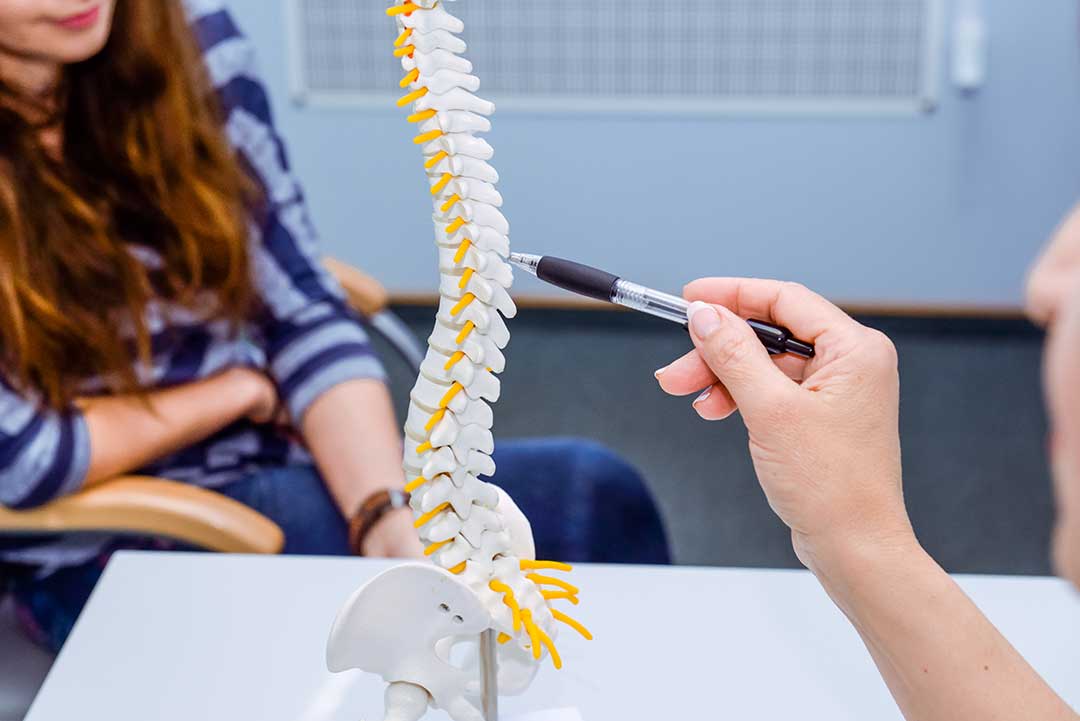
The spine helps position the head, trunk, and pelvis over the feet. When the body is well coordinated, the nervous system continuously makes small adjustments to keep the center of mass within the area supported by the feet.
The neck has a particularly important role. Small sensory receptors in the joints and muscles of the cervical spine provide the brain with information about head position and movement. If neck pain, stiffness, injury, or prolonged poor posture changes that information, the brain may receive signals that do not match what the eyes and inner ears are reporting.
This mismatch can contribute to:
- A feeling of unsteadiness
- Increased muscle tension in the neck and shoulders
- Difficulty knowing where the body is positioned in space
- More swaying while standing
- Trouble turning the head while walking
That does not mean a “misaligned spine” is automatically the cause of dizziness or falling. Balance symptoms often have several contributing factors, and spinal posture should be considered alongside other systems rather than treated as the sole explanation.
What systems normally keep a person balanced?
Balance depends on three major sources of information working together: vision, the vestibular system in the inner ear, and proprioception.
Vision helps the brain understand the body’s relationship to nearby objects and the ground. The vestibular system detects head movement and gravity. Proprioception is the body’s internal sense of joint position and movement, supplied by receptors in muscles, tendons, joints, and the skin.
The spine and limbs contribute to proprioception. Pain, joint stiffness, weakness, numbness, or restricted movement can make that information less reliable. If one system becomes less dependable, the brain tries to rely more heavily on the others. This is why some people feel much less steady in dim lighting, on loose ground, or when turning quickly.
Balance can also be affected by hearing or inner-ear disorders, vision changes, neurological conditions, blood-pressure changes, medication side effects, foot problems, and reduced leg strength.
Can poor posture cause dizziness?
Poor posture can contribute to neck strain and a sense of disequilibrium, but it is not a universal explanation for dizziness. Dizziness may mean spinning, lightheadedness, faintness, visual motion sensitivity, or general unsteadiness. Each description points toward different possible causes.
Forward-head posture, prolonged screen use, and rounded shoulders may increase neck muscle fatigue. Some people notice symptoms after sitting for long periods or repeatedly looking downward. Others feel worse when turning the head because neck movement, visual input, and inner-ear signals are not being coordinated comfortably.
True spinning sensations, known as vertigo, are more commonly associated with vestibular or neurological causes than with ordinary spinal posture. A person experiencing recurrent vertigo should not assume the problem is coming from the spine.
What does a spinal assessment have to do with balance?
A careful assessment may examine how the head, neck, trunk, pelvis, hips, knees, and feet work together during standing and movement. Useful observations can include:
- Whether weight is distributed evenly between both feet
- How the head and trunk move during walking
- Whether neck motion is limited or painful
- Whether one leg appears weaker or less stable
- How balance changes with eyes open and closed
- Whether symptoms occur during head turns, sit-to-stand movements, or stair use
These observations may help identify musculoskeletal contributors, such as stiffness or weakness. They cannot rule out inner-ear disease, stroke, medication effects, or other medical conditions. A balance evaluation should match the symptoms rather than focus narrowly on spinal position.
Can chiropractic care correct balance problems?
Chiropractic care may address certain musculoskeletal factors, such as restricted spinal movement, joint stiffness, or pain-related changes in posture. Improving comfortable movement and body awareness may help some people move more confidently.
Evidence does not support the idea that spinal manipulation corrects every balance disorder or replaces evaluation for dizziness, neurological symptoms, or inner-ear conditions. Treatment should be based on an individual assessment and should avoid forceful or unnecessary techniques, particularly for people with osteoporosis, blood-clotting concerns, recent trauma, significant arthritis, or neurological symptoms.
Balance rehabilitation may also involve targeted exercises for leg strength, coordination, gaze stability, walking, and vestibular function. Depending on the suspected cause, medical evaluation, physical therapy, vestibular rehabilitation, vision assessment, or medication review may be more appropriate than a spine-focused approach alone.
Which balance symptoms need urgent attention?
Sudden balance problems can be a medical emergency. Immediate evaluation is warranted when unsteadiness or dizziness begins suddenly or occurs with:
- Facial drooping, arm weakness, or speech difficulty
- New double vision or severe vision changes
- A severe, unusual headache
- Fainting, chest pain, or serious shortness of breath
- New confusion or inability to walk
- Loss of bladder or bowel control
- A recent head or neck injury
Prompt medical attention is also sensible for repeated falls, worsening numbness, progressive weakness, unexplained weight loss, fever, or balance problems that persist without a clear reason.
What can local residents do safely at home?
Basic environmental changes can reduce fall risk while the cause of a balance problem is being assessed. In many area homes, practical steps include improving lighting on stairs, securing loose rugs, keeping walkways clear, using handrails, and taking extra care on wet or icy surfaces during colder weather.
Helpful habits may include:
- Rising slowly from a chair or bed
- Wearing supportive, properly fitted shoes
- Keeping frequently used items within easy reach
- Using a night-light between the bedroom and bathroom
- Practicing strength and balance exercises appropriate to current ability
- Reviewing medications that may cause drowsiness or dizziness
- Avoiding walking while looking down at a phone
Exercises should be performed near a stable support and stopped if they cause marked dizziness, chest symptoms, or worsening neurological signs. Someone who has already fallen, feels unsafe walking, or cannot stand steadily should avoid testing balance alone.
What is the most accurate way to think about the connection?
Spinal alignment can influence balance by affecting head position, joint sensation, muscle coordination, and movement confidence. It is best understood as one possible contributor within a much larger system.
A thorough explanation considers the spine, inner ear, eyes, nervous system, strength, medications, footwear, and home environment together. That broader view is more reliable than assuming every balance problem is caused by a spinal “misalignment,” and it helps ensure that serious or treatable causes are not overlooked.
