
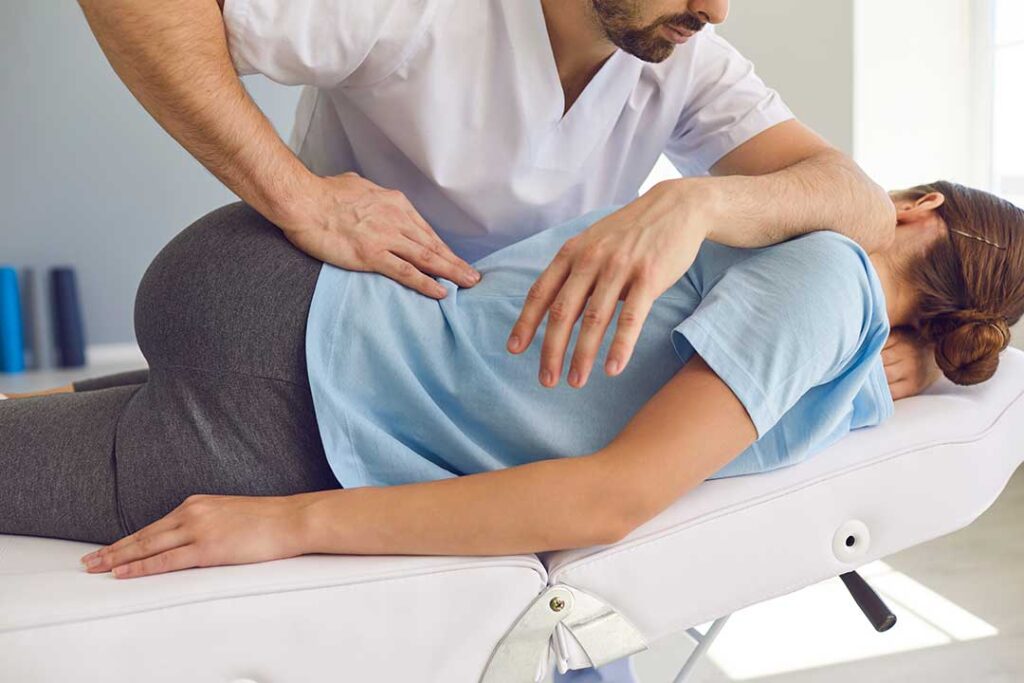
Neck clicking is often caused by normal movement of joints, tendons, or ligaments and does not necessarily mean the neck is damaged. The sound becomes more concerning when it is accompanied by pain, stiffness, weakness, numbness, dizziness, or a recent injury.
What does a clicking or popping neck usually mean?
A clicking, popping, or grinding sound from the neck is often called crepitus. It can occur when the small joints between the neck bones move, when tendons or ligaments shift over nearby structures, or when pressure changes inside a joint produce a popping sound.
A single click while turning the head is usually not a sign of a serious problem, especially if movement is comfortable and there are no other symptoms. Many people notice the sound more when looking over a shoulder, tilting the head, getting out of bed, or changing position after sitting for a long time.
The sound itself does not reveal the exact cause. The more useful questions are:
- Does it hurt?
- Is the neck becoming stiff or difficult to move?
- Did the clicking begin after a fall, collision, or sudden strain?
- Are there symptoms in the arms, hands, legs, or balance?
- Is the clicking becoming frequent or requiring forceful self-manipulation?
Why can the neck make noise during movement?
Several ordinary mechanical changes can create neck sounds.
Joint pressure changes: Small joints in the cervical spine contain fluid and move as the head turns. A change in pressure can create a popping sound, similar to the noise sometimes heard when other joints are moved.
Tendons and ligaments shifting: Soft tissues may move slightly as the neck changes position. This can produce a brief snap or click, particularly when muscles are tight or movement is restricted.
Muscle tension and posture: Long periods of looking down at a phone, working at a computer, driving, or reading can cause the muscles around the neck and upper back to remain active for too long. This may make normal movement feel less smooth and make clicking more noticeable.
Age-related joint changes: The surfaces of spinal joints and the cushioning discs between vertebrae can change over time. Mild wear may produce grinding or crackling, sometimes without pain. These changes are not automatically dangerous, but painful or progressively worsening symptoms deserve attention.
Previous strain or injury: A sports injury, lifting incident, fall, or rear-end collision can affect muscles, ligaments, joints, or discs. Clicking that begins after an injury should not be dismissed simply because the sound is mild.
Seasonal habits can also affect how noticeable symptoms feel. During colder months, people may spend more time indoors, sit for longer periods, or move less frequently. Stiffness after prolonged inactivity can make ordinary neck sounds more apparent.
Is neck clicking the same as arthritis?
Not necessarily. Neck clicking does not prove that arthritis is present, and occasional cracking does not automatically cause arthritis.
Arthritis or other degenerative changes may contribute to grinding, stiffness, and reduced range of motion, but imaging is usually needed to identify structural changes. Even then, an image may show age-related findings that are not the source of a person’s symptoms.
Pain, loss of motion, and changes in strength or sensation are more clinically meaningful than the sound alone. A painless click that has remained stable is generally less concerning than a new sound accompanied by symptoms.
Is it safe to intentionally crack the neck?
Gentle movement is different from forcefully twisting or pulling the neck to produce a crack. Repeated or aggressive self-cracking can irritate muscles and joints, worsen symptoms, or contribute to a feeling of instability. It may also mask the reason a person feels compelled to keep cracking the neck.
A person who feels pressure relieved temporarily after cracking may still have an underlying issue such as muscle tension, limited movement, workstation strain, or joint irritation. Relief does not necessarily mean the neck has been “put back into place.”
Avoid using sudden, forceful movements to make the neck pop. Safer approaches usually include comfortable range-of-motion exercises, changing positions regularly, adjusting screen height, supporting the arms while working, and allowing irritated tissues time to settle.
When should neck clicking be evaluated?
Clicking deserves a routine medical evaluation when it is persistent, worsening, or linked with discomfort. This is particularly true if it interferes with work, sleep, driving, exercise, or normal household activities.
Consider arranging an evaluation when clicking occurs with:
- Ongoing neck pain or tenderness
- Increasing stiffness or reduced ability to turn the head
- Headaches that begin with neck movement
- Pain extending into a shoulder, arm, or hand
- Tingling, numbness, or a burning sensation
- Repeated muscle spasms
- A feeling that the neck is unstable or difficult to control
- Symptoms that do not improve with rest and ordinary activity changes
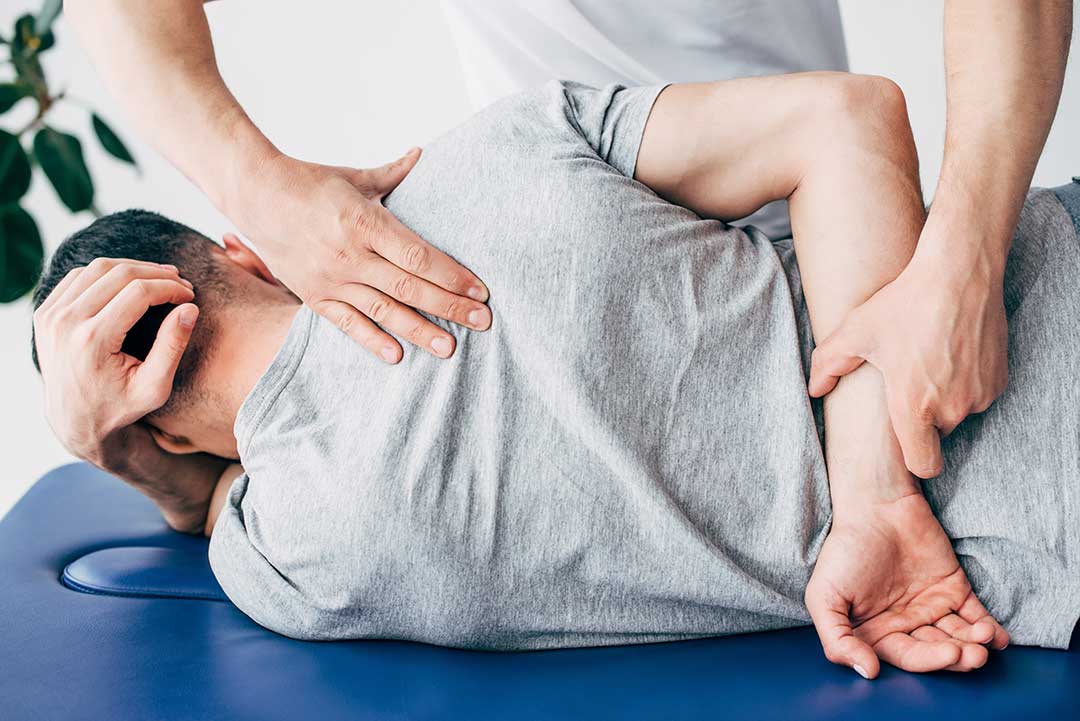
A clinician may review the timing of symptoms, examine neck movement and strength, check sensation and reflexes, and decide whether imaging or another type of assessment is appropriate. Chiropractic, medical, and physical rehabilitation approaches may differ, so the evaluation should be based on the person’s symptoms and health history rather than the noise alone.
Which symptoms require urgent care?
Seek urgent medical attention for neck symptoms that follow a significant accident or are accompanied by neurological changes. Warning signs include sudden severe neck pain, weakness, numbness, trouble walking, loss of coordination, difficulty speaking, fainting, severe headache, vision changes, or dizziness.
Fever, chills, unexplained weight loss, severe pain at rest, or loss of bladder or bowel control also require prompt medical assessment. These symptoms are uncommon, but they can indicate conditions that should not be managed through self-stretching or forceful neck manipulation.
After any injury, avoid trying to “realign” or repeatedly crack the neck until a suitable evaluation has ruled out a more serious problem.
What can local residents do at home?
For mild, painless clicking, the main goal is to keep the neck moving comfortably without forcing it.
Helpful habits include:
- Change sitting or standing position every 30 to 60 minutes.
- Keep phones and screens closer to eye level instead of repeatedly bending the head downward.
- Use slow, comfortable head turns rather than fast stretching.
- Apply gentle warmth if the surrounding muscles feel tight.
- Review pillow height if symptoms are worse after sleeping.
- Notice whether certain tasks, driving positions, or work habits trigger the sound.
- Stop any exercise that causes sharp pain, tingling, weakness, or dizziness.
A brief record of when the clicking occurs can help identify patterns. Note the activity, position, pain level, stiffness, and any symptoms traveling into the arms or hands. That information can make a later evaluation more precise.
For many people in Lynbrook, everyday clicking is a harmless mechanical sound. The key distinction is whether the noise occurs by itself or signals a broader change in comfort, movement, strength, or sensation.
