
Chronic pain can affect movement, sleep, work, mood, and ordinary household routines. Self-care will not eliminate every cause of pain, but a consistent plan can reduce flare-ups, improve function, and make symptoms more predictable.
Chronic pain generally refers to pain lasting longer than three months or continuing beyond the expected healing period. It may involve the back, neck, joints, muscles, nerves, or several areas at once. The most useful approach is usually not a single remedy, but a combination of safe movement, pacing, restorative sleep, stress management, and appropriate medical guidance.
What should self-care for chronic pain include?
A practical self-care plan should help you do more safely, not simply make you focus on pain less. Begin with manageable habits that can be repeated on difficult days as well as better days.
Useful foundations include:
- Gentle physical activity suited to current ability
- Regular sleep and wake times
- Short movement breaks during sitting or standing
- Heat or cold used appropriately
- Relaxation techniques that reduce muscle tension
- A simple record of symptoms, activities, and triggers
- Medical review when pain changes, spreads, or limits daily function
Residents in Lynbrook may notice that symptoms vary with seasonal routines. Cold weather can lead to more indoor sitting, while snow, ice, or damp conditions may increase the physical demands of walking, driving, stairs, and home maintenance. Adjusting activity gradually during these periods can help prevent a sudden increase in symptoms.
How can movement help without causing a flare-up?
Regular, low-impact movement often supports long-term pain management better than prolonged bed rest. Walking, gentle range-of-motion exercises, water-based activity, stationary cycling, and gradual strengthening may improve circulation, mobility, endurance, and confidence.
The key is to start below the level that repeatedly triggers a flare. For example, a person who can walk for 20 minutes but feels worse afterward might begin with two 7-minute walks separated by rest. The duration can increase slowly if symptoms remain manageable.
A temporary increase in mild soreness does not always mean damage. However, sharp pain, new weakness, increasing numbness, marked swelling, or symptoms that remain substantially worse into the next day should not be ignored. An exercise program should be modified rather than forced.
For people with back or neck pain, staying active within reasonable limits is generally more helpful than avoiding all movement. Movements should be controlled, comfortable enough to repeat, and appropriate for the underlying condition.
What is pacing, and why is it useful?
Pacing means dividing activities into smaller portions before pain or fatigue becomes overwhelming. It helps avoid the common “boom-and-bust” cycle: doing too much on a good day, followed by several days of increased pain and reduced activity.
Pacing may look like:
- Sitting for 25 minutes, then standing or walking briefly
- Completing household tasks in separate stages
- Alternating physical tasks with lighter activities
- Using a timer rather than waiting until symptoms become severe
- Keeping activity levels reasonably consistent from day to day
A person preparing a home, carrying groceries, or managing stairs may need to plan several short efforts instead of completing everything at once. This is especially useful when pain is affected by lifting, bending, prolonged standing, or repeated reaching.
Can sleep affect chronic pain?
Yes. Poor sleep can increase sensitivity to pain, reduce patience and concentration, and make physical activity harder. Pain can also interrupt sleep, creating a cycle that is difficult to break.
Helpful sleep habits include keeping a regular schedule, limiting stimulating activities close to bedtime, making the bedroom comfortable, and avoiding long daytime naps that interfere with nighttime rest. If pain makes one position uncomfortable, pillows may be used to support the knees, arms, or hips, depending on the person’s usual sleeping position.
Persistent snoring, gasping during sleep, severe daytime sleepiness, or repeated nighttime awakening deserves medical attention because an untreated sleep disorder can worsen fatigue and pain.
Should heat or cold be used?
Heat may relax tight muscles and make gentle movement easier. A warm shower, heating pad, or warm compress can be useful for short periods. Cold may help after an activity-related flare or when swelling is present.
Neither should be applied directly to bare skin for extended periods. Use a protective layer, check the skin regularly, and avoid falling asleep with a heating device in place. People with reduced sensation, circulation problems, or certain medical conditions should ask a healthcare professional which option is safest.
Heat and cold are comfort measures, not treatments for every underlying cause of pain. If a new symptom persists, relying on temperature therapy alone may delay needed evaluation.
How do stress and mood influence pain?
Stress does not mean pain is imaginary. The nervous system, muscles, sleep patterns, and emotional state can all influence how strongly pain is experienced. Anxiety, frustration, and low mood may increase muscle tension and make symptoms feel more intrusive.
Slow breathing, progressive muscle relaxation, mindfulness, prayer, journaling, or quiet music may help reduce the body’s stress response. These practices work best when used regularly, not only during a severe flare.
Persistent depression, hopelessness, panic, social withdrawal, or thoughts of self-harm require prompt attention. Chronic pain and mental health symptoms often reinforce each other, and addressing both is part of responsible pain care.
What should be tracked?
A brief symptom diary can reveal patterns that are easy to miss. Record:
- Pain location and intensity
- Sleep quality
- Activity performed
- Time spent sitting or standing
- Stress level
- Medication or self-care measures used
- What improved or worsened symptoms
The goal is not to monitor every sensation. A few notes each day may show whether pain follows a particular movement, workload, sleep disruption, or repeated posture. This information can also make medical discussions more specific.
When does chronic pain require prompt medical evaluation?
Self-care is not appropriate for every situation. Seek urgent medical attention for pain accompanied by chest pain, severe shortness of breath, sudden weakness, loss of bladder or bowel control, new confusion, fainting, or numbness in the groin or inner thighs.
Prompt evaluation is also warranted for unexplained weight loss, fever, a history of cancer, significant trauma, progressive weakness, severe nighttime pain, or pain that is rapidly worsening. New symptoms after a fall, collision, or other injury should be assessed rather than treated only at home.
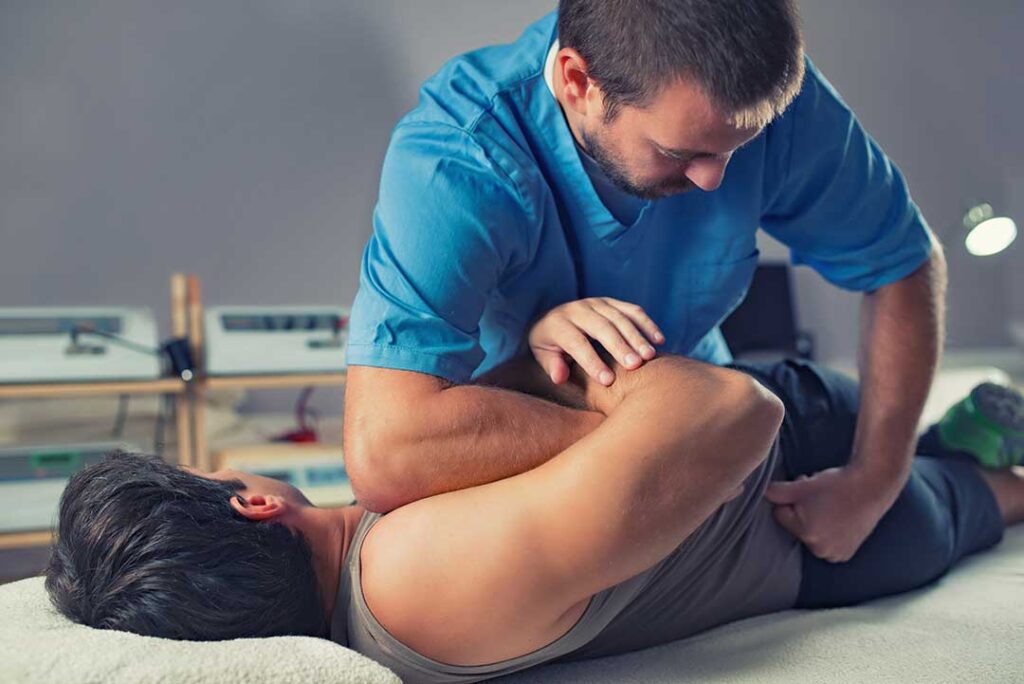
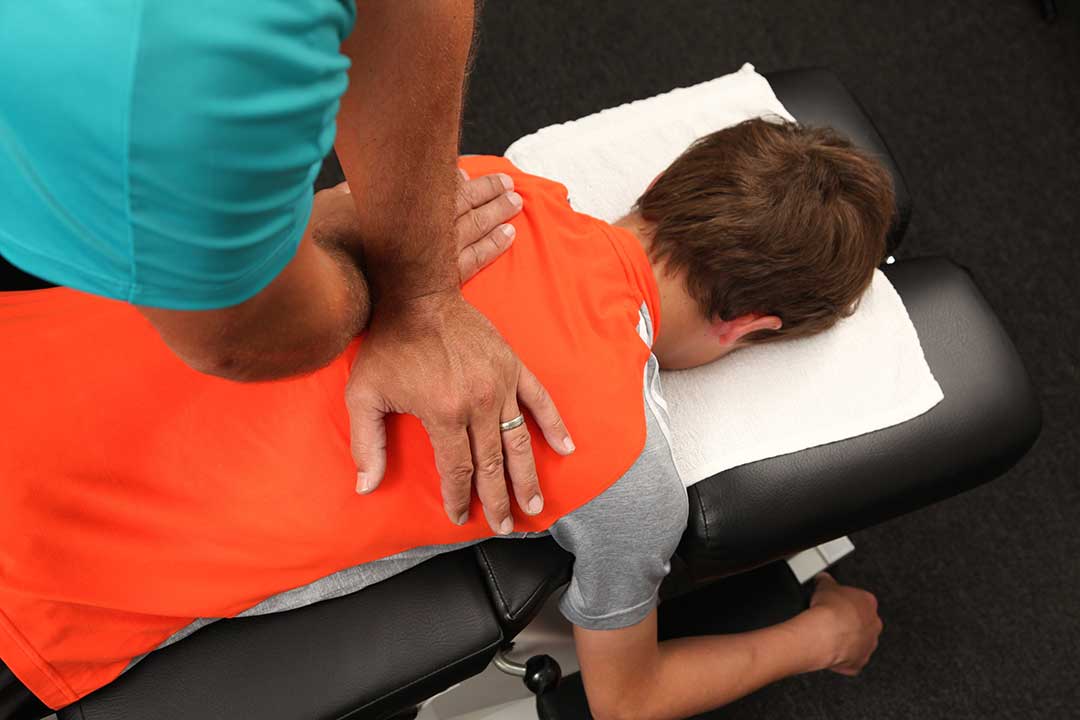
Chiropractic care may be one part of a broader plan for selected musculoskeletal conditions, but it should not replace evaluation for warning signs or serious underlying disease. A coordinated approach may also include primary medical care, physical rehabilitation, medication review, behavioral support, or other appropriate services.
How can progress be measured?
Pain intensity is only one measure. Better progress may include walking farther, sleeping more consistently, using fewer rest breaks, returning to a household task, or recovering more quickly after activity.
Set one or two specific goals, such as standing long enough to prepare a meal or taking a short walk several days a week. Review progress over several weeks rather than judging success by a single difficult day. A realistic plan is one that can be adjusted during flare-ups without abandoning movement altogether.
