
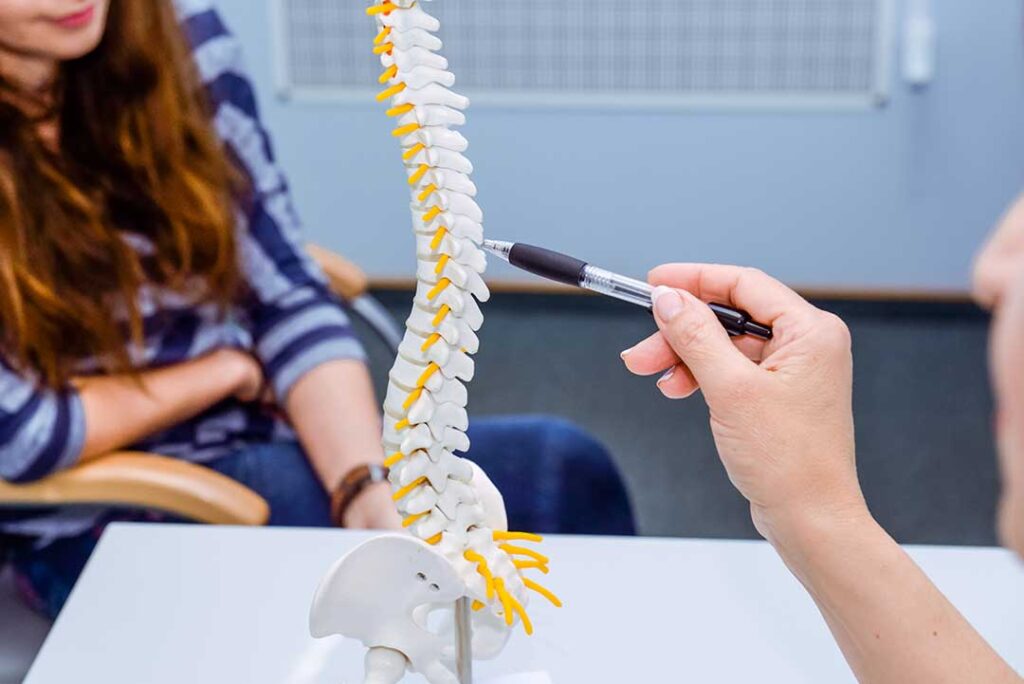
Surgery is not the only option for many types of back, neck, or joint pain. Depending on the cause and severity of symptoms, a carefully planned combination of exercise, physical rehabilitation, spinal manipulation, medication, and daily activity changes may reduce pain and improve function.
The right approach depends on the diagnosis. Chiropractic care may be appropriate for some mechanical or musculoskeletal problems, but it cannot replace surgery when a nerve, spinal cord, fracture, infection, or other serious condition requires urgent treatment.
What does “an alternative to surgery” actually mean?
A non-surgical approach is usually called conservative or nonoperative care. It aims to reduce pain, restore movement, improve strength, and help a person return to ordinary activities without an operation.
These options may be considered for conditions such as:
- Nonspecific low-back pain
- Muscle strains and joint irritation
- Some forms of neck pain
- Certain cases of sciatica
- Mild or moderate spinal stenosis symptoms
- Disc-related pain without progressive nerve damage
- Pain worsened by prolonged sitting, lifting, or repetitive activity
Non-surgical treatment does not always eliminate the underlying structural change. For example, an imaging scan may show disc degeneration or arthritis even when symptoms improve through movement and rehabilitation. The goal is often better function and manageable symptoms rather than a “perfect” spine on an image.
Can chiropractic care help someone avoid back surgery?
It may help some people, particularly those with uncomplicated musculoskeletal back pain, but it should not be presented as a guaranteed way to prevent surgery.
Chiropractic care may include spinal manipulation, gentler mobilization, soft-tissue techniques, movement instruction, and home exercises. Spinal manipulation can produce modest short-term improvements in pain and function for some adults with acute or chronic low-back pain. Results vary, and similar benefits may be available through exercise-based rehabilitation, physical therapy, massage, or other conservative treatments.
A useful treatment plan should include more than passive care. Progress is generally easier to maintain when hands-on treatment is paired with:
- Gradual strengthening
- Flexibility or mobility work
- Walking or other tolerable aerobic activity
- Improved lifting and sitting habits
- A plan for returning to work, recreation, and household tasks
Chiropractic treatment should be adjusted or stopped if symptoms worsen, new neurological symptoms develop, or progress does not occur within a reasonable period.
Which non-surgical treatments are commonly used?
Exercise-based rehabilitation is one of the most consistently useful options for persistent low-back pain. Exercises may target the hips, abdomen, back, and legs, but the exact program should match the person’s symptoms and physical abilities. A person who is recovering from a flare-up may begin with short walks and gentle movements before adding resistance or balance work.
Physical therapy can help identify movement limitations, build strength, and teach strategies for lifting, reaching, bending, and changing positions. It may be especially useful when pain has caused weakness, reduced activity, or fear of movement.
Spinal manipulation or mobilization may be considered when the pain appears mechanical and there are no warning signs. Manipulation involves a controlled force applied to a joint, while mobilization uses slower movement within a joint’s range. Temporary soreness, stiffness, or increased pain can occur.
Other non-surgical options may include:
- Heat for short-term relief during muscle-related pain
- Massage for temporary reduction in tension and discomfort
- Acupuncture for some types of persistent pain
- Mindfulness, relaxation training, or cognitive behavioral strategies when pain has become chronic
- Yoga or tai chi adapted to the person’s mobility and balance
- Non-opioid medication when appropriate and medically safe
- Injections in selected cases, usually as part of a broader treatment plan
Medication decisions require attention to kidney disease, stomach ulcers, blood pressure, pregnancy, blood thinners, and other health conditions. Over-the-counter products are not automatically safe for everyone.
What about a pinched nerve, sciatica, or spinal stenosis?
Some nerve-related symptoms improve without surgery, but they need closer monitoring than ordinary muscle soreness.
Sciatica often causes pain that travels from the lower back into the buttock or leg. Nonsurgical care may include activity modification, exercise, medication, and selected manual treatments. Numbness, tingling, or weakness should be assessed rather than treated as a routine strain.
Spinal stenosis can cause leg pain, heaviness, or weakness that becomes worse with standing or walking and improves with sitting or leaning forward. Treatment may focus on exercises, posture, walking tolerance, balance, and symptom control. Surgery is generally considered when pain or weakness significantly limits quality of life, particularly when non-surgical treatment has not provided enough improvement.
A scan alone does not determine whether surgery is necessary. Imaging findings must be compared with the physical examination, symptom pattern, duration of the problem, and effect on daily life.
When is surgery more likely to be necessary?
Surgery becomes more strongly considered when there is progressive neurological loss, severe functional impairment, or a structural problem that is unlikely to improve through conservative care.
Urgent medical evaluation is needed for symptoms such as:
- New loss of bladder or bowel control
- Numbness in the area between the legs
- Rapidly worsening weakness in a leg or arm
- Inability to walk safely
- Severe pain after a significant fall or accident
- Fever, unexplained weight loss, or a history of cancer with new spine pain
- Severe night pain that is unusual for the person
These symptoms can signal conditions requiring prompt medical assessment. Manipulation or exercise should not be used as a substitute for urgent care.
How long should someone try conservative care?
There is no universal number of weeks. A reasonable trial depends on the diagnosis, symptom severity, age, general health, neurological findings, and whether function is improving.
For a recent uncomplicated back strain, symptoms may improve substantially over several weeks. Persistent pain should be reassessed if it is not gradually improving, repeatedly returns, or interferes with sleep, work, walking, or basic household activities.
A practical progress check asks:
- Can walking, standing, or sitting be done for longer?
- Is sleep improving?
- Is less medication needed?
- Is strength returning?
- Are household tasks becoming easier?
- Are flare-ups less frequent or less intense?
If the answer is consistently no, the diagnosis and treatment plan may need to be reconsidered.
What local factors can make recovery harder?
Daily routines often matter as much as the treatment table. In a dense suburban community such as Lynbrook, residents may spend long periods commuting, sitting at desks, climbing stairs, carrying groceries, or managing household repairs in compact spaces.
Seasonal conditions can also contribute. Snow and ice may lead to awkward lifting, slips, and sudden twisting. Cold weather may reduce outdoor activity, while summer projects can involve repetitive bending, gardening, moving furniture, or prolonged standing.
Helpful precautions include warming up before strenuous tasks, dividing heavy loads into smaller amounts, using both hands, keeping objects close to the body, and alternating sitting with brief movement. A gradual return to normal activity is usually more useful than prolonged bed rest.
The central question is not simply whether surgery can be avoided. It is whether the condition has been accurately identified and whether a safe, measurable non-surgical plan is improving pain, strength, mobility, and daily function. Chiropractic care can be one component of that plan for selected musculoskeletal problems, provided that warning signs are screened for and treatment remains guided by the person’s actual response.
