
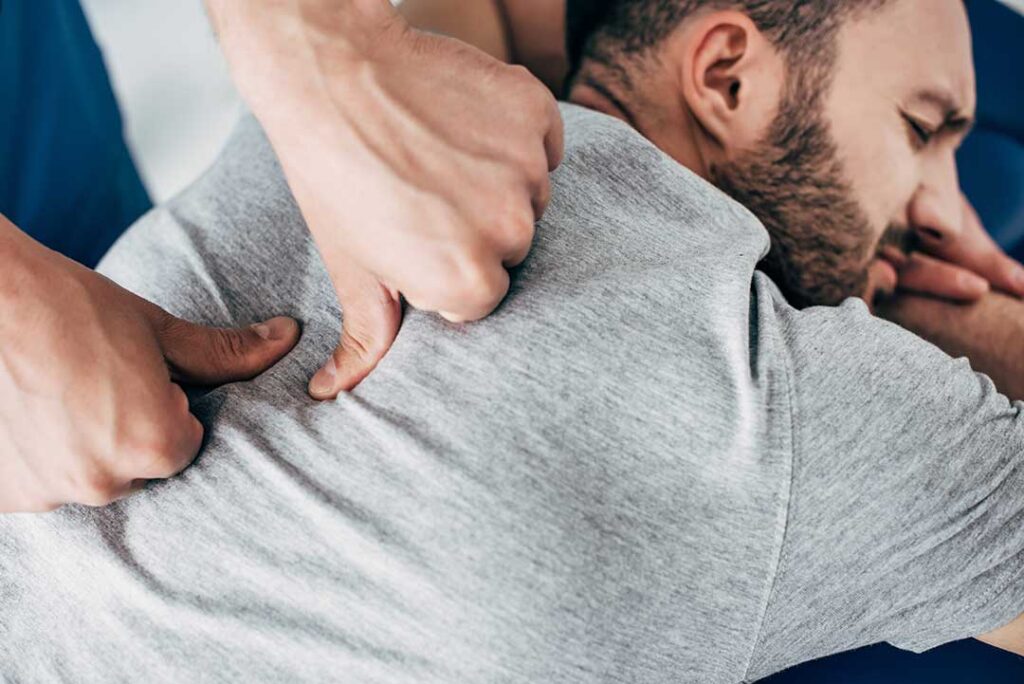
What is the Graston Technique?
The Graston Technique is a form of instrument-assisted soft-tissue mobilization, often abbreviated as IASTM. It uses specially shaped handheld instruments to help a trained clinician assess and treat areas of muscle, fascia, tendons, and other soft tissue.
The instruments are typically made from smooth, rigid materials and are used over the skin with a lubricant. The clinician applies controlled strokes or pressure rather than using the tool to cut, puncture, or scrape the skin. The technique may be included in chiropractic care, physical rehabilitation, sports medicine, or other musculoskeletal treatment plans.
Despite its name, the approach is not a separate diagnosis or a cure for every type of pain. It is a hands-on treatment method that may be considered after an examination identifies a possible soft-tissue component.
How is it different from massage or spinal manipulation?
The main difference is the tool and the purpose of the treatment. Massage usually relies on the hands to apply pressure, kneading, stretching, or gliding movements. Instrument-assisted treatment uses an external instrument to provide a more focused contact over selected areas.
It is also different from spinal manipulation. Spinal manipulation applies a controlled force to a joint, often to influence motion. The Graston Technique generally targets soft tissue rather than attempting to adjust a spinal segment.
A chiropractic visit may include more than one approach, such as:
- A health history and physical examination
- Movement or strength testing
- Soft-tissue work
- Joint mobilization or manipulation
- Stretching and strengthening exercises
- Advice about activity modification
The appropriate combination depends on the person’s symptoms, physical findings, goals, and medical history.
What does treatment feel like?
Most people describe the sensation as firm pressure, rubbing, or a mild scraping feeling. Treatment should not require severe pain. Some temporary tenderness, redness, or small areas of bruising can occur, particularly when tissue is sensitive or the pressure is too strong for the individual.
A clinician may ask the patient to move a joint while the instrument is used. This can help assess how symptoms change with motion. Treatment is often followed by gentle movement or exercise rather than prolonged rest.
It is reasonable to ask what sensation is expected, how much soreness is normal, and what signs would indicate that the treatment should be stopped or modified.
What conditions may be considered for this approach?
Instrument-assisted soft-tissue mobilization is most commonly discussed for musculoskeletal complaints involving restricted movement, localized tenderness, or persistent soft-tissue irritation. Examples may include:
- Tendon-related pain
- Muscle tightness or overuse symptoms
- Scar-tissue sensitivity after healing
- Repetitive strain involving the forearm, shoulder, hip, or lower leg
- Certain sports-related injuries
- Limited range of motion associated with soft-tissue stiffness
Research findings are mixed and vary by condition. Some studies suggest that IASTM may temporarily improve range of motion, pain, or function when combined with exercise and other rehabilitation strategies. However, evidence does not establish that the technique permanently “breaks up” scar tissue or that it works better than every other form of manual care.
A useful treatment plan should connect the technique to a specific functional goal, such as walking more comfortably, reaching overhead, returning to recreational activity, or tolerating work-related movement.
Does the treatment remove scar tissue or toxins?
No. Several popular descriptions of soft-tissue tools are more confident than the available evidence supports.
The instruments do not physically remove toxins from the body. They also do not literally scrape away adhesions beneath the skin. A clinician may use the treatment to influence sensitivity, movement, muscle tone, or the way a person tolerates loading. Any changes are more likely to involve nervous-system responses, circulation, tissue mobility, and movement behavior than a simple mechanical removal of scar tissue.
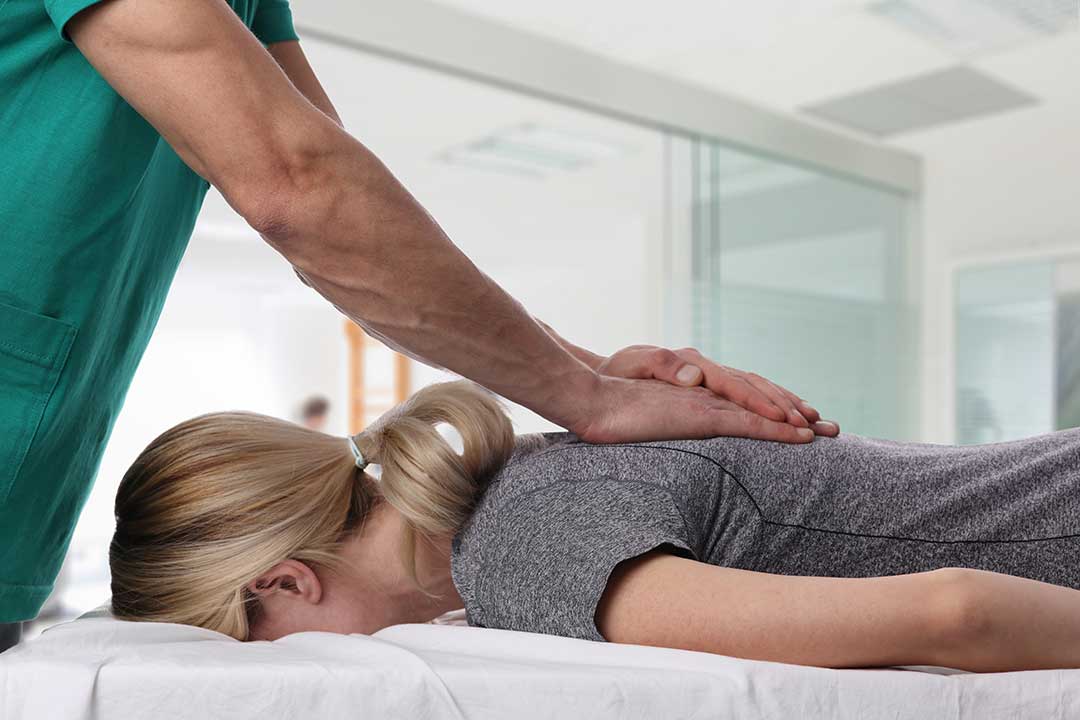
Bruising is not proof that a treatment was more effective. In some cases, bruising indicates that the applied pressure exceeded what the tissue could comfortably tolerate.
Who should use caution or avoid it?
A careful health history is essential before treatment. Instrument-assisted soft-tissue work may be inappropriate over or near:
- Open wounds, blisters, burns, or active skin infections
- Unhealed or unstable fractures
- Areas of unexplained swelling or severe inflammation
- Suspected blood clots or inflamed veins
- Acute systemic illness or fever
- Significant bleeding disorders
- Areas with markedly reduced sensation
Extra caution may be needed for people taking blood-thinning medication, those with fragile skin, peripheral circulation problems, inflammatory conditions, recent surgery, or a history of unusual bruising. Pregnancy, cancer, autoimmune disease, and implanted devices may also require individualized decisions rather than automatic treatment.
Residents managing winter dryness, summer skin irritation, or minor household and recreational injuries should avoid having irritated or broken skin treated directly. A rash, scrape, or unexplained mark should be assessed before any instrument is applied.
Is soreness afterward normal?
Mild soreness, tenderness, or temporary discoloration can occur after treatment and usually improves within a short period. Symptoms should not steadily intensify or interfere significantly with normal function.
Prompt medical evaluation is appropriate for severe or unusual symptoms such as rapidly increasing swelling, spreading redness, fever, marked weakness, new numbness, loss of movement, or calf pain with swelling. Those symptoms may point to a problem that soft-tissue treatment is not designed to manage.
Patients should also report any worsening pain that feels different from the original complaint. A treatment plan should be reassessed if symptoms are not improving as expected.
How should it fit into a broader care plan?
The technique is generally most useful as one part of a larger plan rather than as a stand-alone solution. Exercise, gradual strengthening, sleep, work-position changes, and a sensible return to activity often matter more for lasting function than any single hands-on method.
For people who spend long periods sitting, commute regularly, work in physically demanding settings, or remain active through seasonal outdoor activities, the underlying load on the body should be considered. A soft-tissue technique may temporarily make movement easier, but the factors that caused or maintained the irritation still need attention.
The clearest question to ask is not whether the Graston Technique is universally effective. It is whether the treatment has a reasonable purpose for the specific symptoms, whether risks have been screened, and whether progress will be measured through meaningful improvements in movement, comfort, or daily activity.
