

Healthy movement is less about completing a demanding workout and more about avoiding long periods of stillness. For residents of Lynbrook, NY, everyday activities such as walking to public transportation, managing household chores, climbing stairs, gardening, or taking short movement breaks can all contribute to better mobility and comfort.
Why does movement throughout the day matter?
Regular movement helps maintain joint motion, muscle activity, balance, circulation, and tolerance for daily tasks. It may also reduce the stiffness that develops after long periods of sitting, standing, driving, or working at a screen.
Adults are generally encouraged to move more and sit less. A useful weekly target is at least 150 minutes of moderate-intensity aerobic activity, such as brisk walking, along with muscle-strengthening activity on two or more days. That activity does not need to happen in one long session. Short periods spread across the day can count.
Movement is also different from exercise. Exercise is planned activity, while movement includes the many smaller actions that make up daily life. Both are valuable.
How can someone move more during a typical workday?
The easiest approach is to connect movement with activities that already happen every day. This avoids relying entirely on motivation or finding a large block of free time.
Try these practical adjustments:
- Stand or walk briefly after finishing a phone call.
- Take a short walk before returning to a desk after lunch.
- Use stairs when it feels safe and manageable.
- Walk around the room during reading, downloading, or other brief pauses.
- Set a reminder to change position every 30 to 60 minutes.
- Carry out small household tasks between periods of screen use.
- Park or exit transportation in a way that adds a comfortable amount of walking, when practical.
A movement break does not need to be strenuous. Two or three minutes of walking, gentle shoulder motion, or standing can interrupt prolonged sitting. The goal is to change position regularly rather than maintain a perfect posture all day.
What is a comfortable workstation position?
A comfortable workstation allows the body to stay supported without forcing the neck, shoulders, wrists, or lower back into one fixed position. No single posture prevents every ache, so changing position matters as much as arranging the workspace.
For a desk or home work area:
- Keep the top of the screen near eye level so the head does not remain tilted downward.
- Place the screen close enough to avoid leaning forward.
- Keep the elbows near the sides of the body and allow the shoulders to relax.
- Support the feet on the floor or on a stable footrest.
- Keep frequently used objects within easy reach.
- Use a chair that supports the pelvis and allows comfortable changes in position.
- Avoid working for long periods from a couch or bed if it causes the head and trunk to round forward.
A laptop often encourages looking down. Raising the screen and using a separate keyboard can make it easier to keep the head in a more neutral position. Even with an ideal setup, remaining still for several hours is not ideal.
Which stretches are useful during the day?
Gentle mobility exercises are often more helpful than forcing a deep stretch. A stretch should feel mild to moderate, not sharp, electric, or progressively painful.
Useful options include:
- Slowly turning the head from side to side within a comfortable range.
- Rolling the shoulders backward and then relaxing them.
- Standing tall and reaching the arms overhead without arching forcefully.
- Moving the ankles up and down after sitting.
- Extending one leg at a time while seated.
- Performing gentle hip hinges to practice bending through the hips.
- Walking for a few minutes to loosen the legs and back.
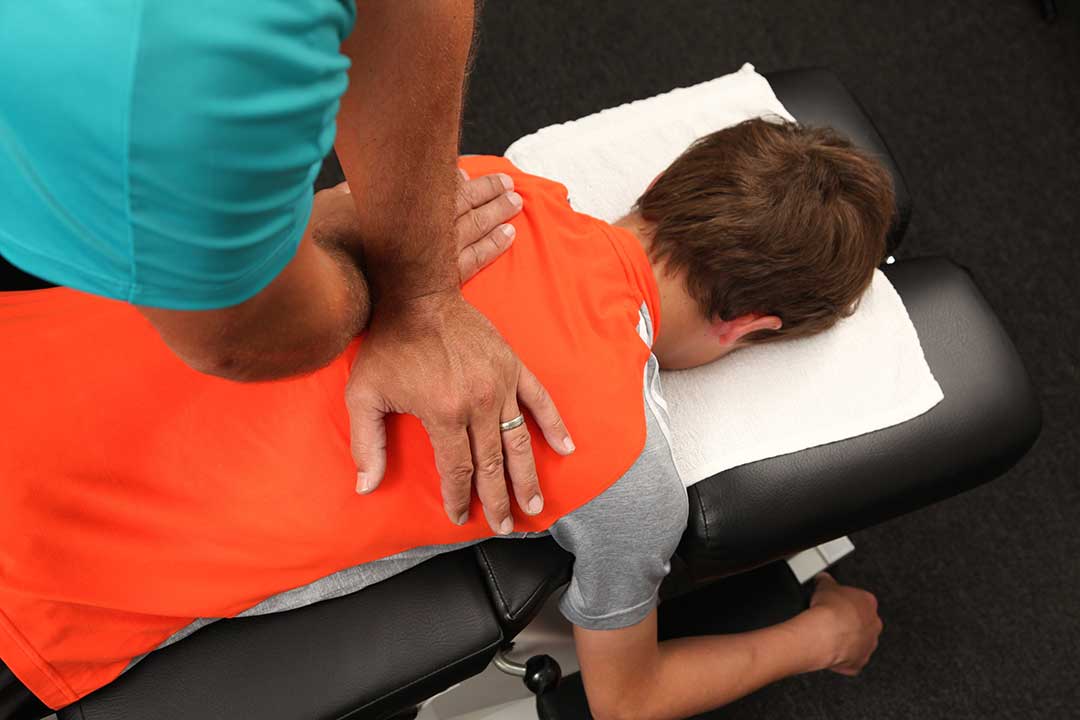
Move slowly and breathe normally. There is no need to bounce or push into discomfort. People with a recent injury, significant osteoporosis, balance problems, or a condition that limits movement may need a more individualized plan.
How should residents prepare for seasonal conditions?
Cold weather can make people less active, especially when sidewalks, driveways, or outdoor surfaces are slippery. During colder months, movement can continue indoors through walking in place, stair use, light household tasks, mobility exercises, or indoor community activities.
Before walking outside in winter, check that footwear has adequate traction and use handrails where available. Shorter walks may be more sensible than attempting a long route in unsafe conditions. Warm clothing can help reduce the tendency to move stiffly, but clothing should not restrict normal arm or leg motion.
Warm, humid weather can also affect activity tolerance. Drink fluids regularly, choose cooler times for outdoor movement, and slow down if dizziness, unusual fatigue, nausea, chest discomfort, or shortness of breath develops.
How can movement be built into household routines?
Household routines provide repeated opportunities to change position. In homes with stairs, use the stairs at a comfortable pace and avoid carrying loads that block vision or make balance difficult. Break heavier chores into smaller tasks rather than lifting, twisting, and reaching continuously.
For lifting:
1. Move close to the object.
2. Check its weight before committing to the lift.
3. Keep the load near the body.
4. Turn with the feet instead of twisting the trunk.
5. Ask for assistance with unusually heavy, awkward, or unstable items.
Gardening, cleaning, laundry, and home maintenance can all involve repetitive bending. Alternate tasks, change sides when possible, and take brief pauses before fatigue leads to hurried movement.
Is walking enough for healthy movement?
Walking is an excellent foundation, but a complete movement routine also includes strength, balance, and joint mobility. Walking supports cardiovascular fitness and lower-body endurance, while strengthening exercises help the body manage lifting, stairs, carrying, and other daily demands.
A balanced week might include:
- Regular walks at a pace that raises breathing modestly.
- Strength exercises using body weight, resistance bands, or manageable household loads.
- Gentle mobility work for the spine, hips, shoulders, and ankles.
- Balance practice for older adults, performed near a stable support.
People starting from a low activity level can begin with short, comfortable sessions and gradually add time. More activity is not always better if it causes persistent pain, marked fatigue, or loss of function.
When is pain a warning sign?
Mild muscle tiredness after unfamiliar activity can be normal, but pain that is severe, worsening, or associated with weakness deserves attention. Seek prompt medical evaluation for symptoms such as chest pain, fainting, sudden shortness of breath, new loss of coordination, or sudden weakness or numbness.
Pain after a fall, pain accompanied by loss of bladder or bowel control, or symptoms that rapidly worsen should not be managed through stretching alone. For recurring discomfort, a qualified healthcare professional can help determine whether the problem relates to movement habits, an injury, a medical condition, or another cause.
The most sustainable routine is usually simple: change position often, walk when practical, strengthen the body gradually, and respect warning signs. In the community and at home, consistent movement choices can support comfort and independence without requiring an elaborate exercise program.
