
Joint inflammation can cause pain, stiffness, warmth, swelling, or reduced mobility. Natural strategies may help calm symptoms and improve daily function, but the most appropriate approach depends on the cause. Osteoarthritis, rheumatoid arthritis, gout, injury, infection, and other conditions can all produce joint symptoms but do not respond to the same treatment.
For residents of Lynbrook, NY, practical management often means combining gentle movement, sensible activity changes, sleep, nutrition, and careful use of heat or cold. These steps can support comfort without assuming that every painful joint has the same underlying problem.
What natural methods can help reduce joint inflammation?
The most consistently useful approaches are regular low-impact movement, gradual strengthening, weight management when appropriate, adequate sleep, and avoiding activities that repeatedly irritate the joint.
Natural care is usually more effective as a steady routine than as a quick fix. A person with knee stiffness, for example, may benefit from short walks, leg-strengthening exercises, and activity breaks rather than complete rest.
Helpful options include:
- Gentle range-of-motion exercises
- Walking, cycling, swimming, or water exercise
- Strength training with light weights or resistance bands
- Heat for stiffness and cold for swelling
- A balanced eating pattern centered on minimally processed foods
- Consistent sleep and stress-management habits
- Adjustments that reduce repetitive strain
The goal is not to force a painful joint to work harder. The goal is to maintain movement while keeping irritation within a manageable range.
Does exercise make inflamed joints worse?
Usually, appropriate exercise helps rather than harms arthritic joints. Physical activity can reduce pain, improve strength and flexibility, support mood, and make everyday tasks easier. It also helps preserve the muscles that protect and stabilize joints.
Start with a tolerable amount, such as five to ten minutes of walking or gentle movement. Increase duration gradually if symptoms remain stable. A useful pace is one that allows conversation without severe breathlessness.
Low-impact choices may include:
- Walking on level surfaces
- Stationary or outdoor cycling
- Swimming or water-based exercise
- Tai chi
- Gentle yoga or stretching
- Light gardening
- Resistance-band exercises
Some discomfort can occur when beginning a new activity, but sharp, constant, or escalating pain is a warning to modify the routine. Pain that causes limping, significant swelling, nighttime worsening, or symptoms that remain noticeably worse for more than a couple of hours after exercise should be evaluated.
During colder months, indoor inactivity can make stiffness more noticeable. Brief movement breaks during television, computer, or household tasks may be more realistic than attempting one long workout.
Should heat or cold be used for joint inflammation?
Cold is generally more useful for a swollen, warm, or recently irritated joint. Heat often works better for stiffness, muscle tightness, or difficulty getting moving.
A cold pack wrapped in a thin towel can be applied for about 15 to 20 minutes. Do not place ice directly on the skin. Heat may come from a warm shower, heating pad, or warm compress, but it should feel comfortable rather than hot enough to burn.
Avoid falling asleep with a heating pad. People with reduced sensation, circulation problems, or certain nerve conditions should use extra caution with heat and cold because skin injury may occur without normal warning signals.
After a sudden injury, swelling and bruising may require a different approach than long-standing arthritis. Resting briefly, protecting the area, and using cold may be reasonable initially, but persistent or severe symptoms should not be managed indefinitely at home.
Can food choices affect joint inflammation?
A balanced eating pattern may support overall health and help some people manage inflammatory symptoms. No single food reliably eliminates joint inflammation, and restrictive “anti-inflammatory” diets are not necessary for most people.
A practical pattern includes:
- Vegetables and fruit in a variety of colors
- Beans, lentils, nuts, and seeds
- Fish or other sources of unsaturated fats
- Whole grains
- Adequate protein
- Water in place of many sugar-sweetened drinks

Highly processed foods, excess added sugar, and frequent heavy alcohol use may make it harder to maintain a healthy weight or manage other health conditions. For people with gout, certain foods and alcohol can be especially relevant, but dietary advice should be individualized because gout management may also require medication.
Supplements deserve caution. Fish oil, turmeric, glucosamine, and similar products are not automatically safe or effective for everyone. They may interact with blood thinners, affect surgery planning, or cause side effects. “Natural” does not mean risk-free.
Does losing weight help inflamed knees or hips?
For people carrying excess weight, gradual weight reduction can lower stress on weight-bearing joints such as the knees and hips. It may also make walking and strengthening exercises more comfortable.
Weight management should focus on sustainable habits rather than rapid dieting. A combination of modest dietary changes, regular movement, sufficient sleep, and realistic portions is generally easier to maintain.
Even when weight does not change, strengthening the muscles around a joint can improve stability and function. Weight is only one factor, and joint pain should not be dismissed or blamed solely on body size.
How can daily habits protect painful joints?
Joint protection means reducing unnecessary strain while continuing safe activity. Helpful adjustments may include changing position regularly, using both hands to lift objects, avoiding prolonged kneeling, and alternating physically demanding tasks with easier ones.
In homes and apartments, frequently used items can be placed at waist or shoulder height to reduce repeated bending. During icy or wet weather, stable footwear, clear walkways, and adequate lighting can reduce fall risk. A cane or other support may help some people, but it should fit properly and be used correctly.
Long periods of complete rest can increase stiffness and weakness. A better approach is often “relative rest”: reduce the specific activity that aggravates symptoms while continuing comfortable movement.
Can sleep and stress affect joint pain?
Yes. Poor sleep can increase pain sensitivity, reduce energy, and make exercise more difficult. Stress may also contribute to muscle tension and make symptoms feel more intrusive.
A consistent sleep schedule, a dark and comfortable bedroom, and a calming routine before bed can help. Gentle breathing exercises, stretching, journaling, or short walks may reduce stress without placing additional demands on painful joints.
Pain that repeatedly disrupts sleep deserves attention, particularly if it is accompanied by swelling, weakness, fever, or unexplained weight loss.
When should joint inflammation be medically evaluated?
Natural care should not delay evaluation of symptoms that could signal infection, a serious injury, or an inflammatory disease. Prompt medical attention is appropriate for:
- A joint that becomes suddenly very swollen, red, hot, or extremely painful
- Fever or feeling acutely unwell along with joint symptoms
- Inability to bear weight or use the limb
- Deformity after a fall or impact
- New numbness, weakness, or loss of coordination
- Pain that persists, steadily worsens, or affects sleep and daily activities
- Several joints becoming swollen without a clear explanation
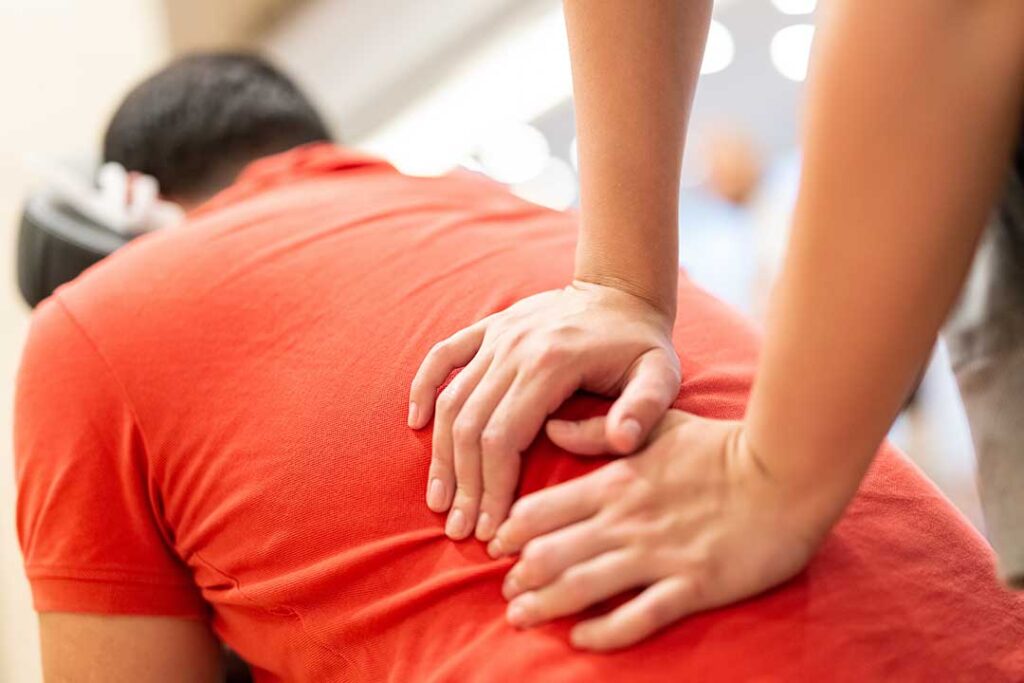
A chiropractor may be part of a broader musculoskeletal care plan for selected movement and joint problems, but persistent swelling, systemic symptoms, or suspected autoimmune disease require medical assessment. The cause of inflammation should be understood before relying on self-care alone.
