
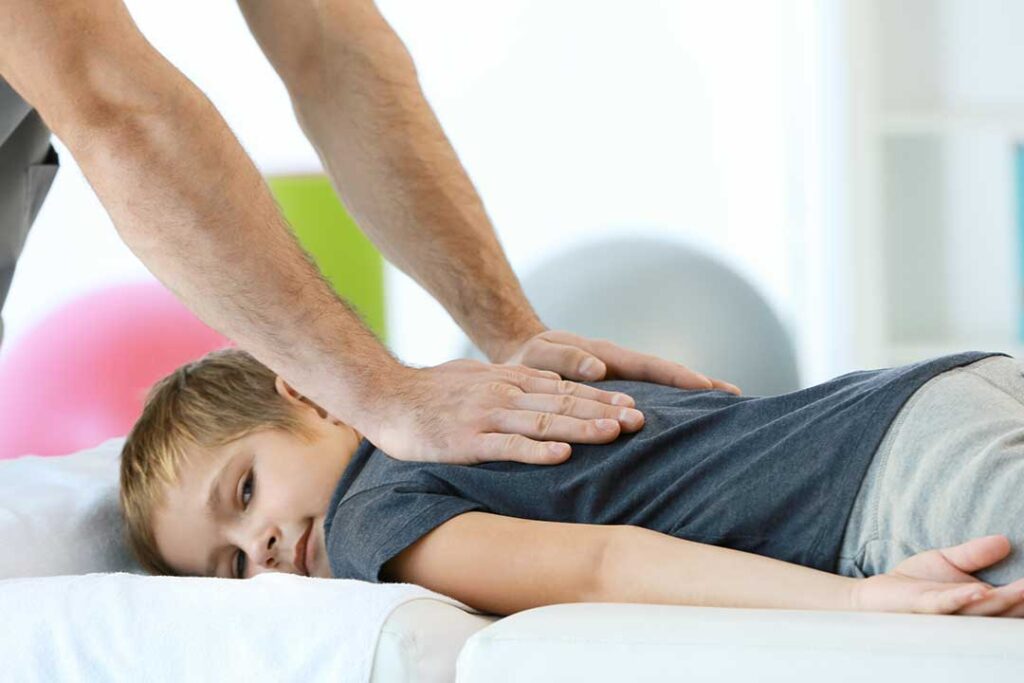
What role can chiropractic care play after a sports injury in Lynbrook, NY?
Chiropractic care may help some people recover from sports injuries by addressing joint movement, muscle tension, coordination, and physical limitations. It is generally most useful as one part of a broader recovery plan rather than as a replacement for medical evaluation, imaging, medication, surgery, or supervised rehabilitation when those are needed.
Sports injuries can affect athletes at every level, including people who run, cycle, play recreational leagues, exercise at home, or participate in school sports. Common examples include ankle sprains, muscle strains, overuse injuries, back pain, shoulder irritation, knee problems, and joint stiffness.
The appropriate approach depends on the type and severity of the injury. A minor movement-related problem may respond to conservative care, while a fracture, complete tendon tear, dislocation, serious ligament injury, or concussion requires a different level of medical attention.
How might chiropractic treatment support recovery?
Chiropractic care typically focuses on the relationship between movement, joints, muscles, and the nervous system. After an injury, protective muscle tightening and reduced activity can change how a person walks, runs, lifts, lands, or swings.
A careful evaluation may look at:
- Range of motion in the injured and nearby joints
- Muscle strength and flexibility
- Balance and coordination
- Walking, running, or sport-specific movement
- Posture and load distribution
- Whether symptoms are coming from the injured area or from compensation elsewhere
Treatment may include gentle joint mobilization, soft-tissue techniques, stretching, strengthening exercises, balance work, and advice about modifying activity. Some people may also receive spinal manipulation when it is clinically appropriate, but the treatment should be selected according to the injury rather than applied automatically.
The goal is not simply to make a joint “move more.” The goal is to restore useful movement while protecting healing tissues and gradually rebuilding strength and confidence.
Which sports injuries may benefit from conservative chiropractic care?
Chiropractic care may be considered for certain uncomplicated musculoskeletal injuries, particularly when pain is related to restricted movement or muscular imbalance. Examples can include:
- Mild back or neck pain after training
- Stiffness following a minor strain
- Some uncomplicated ankle, hip, or knee movement problems
- Muscle tightness affecting running or lifting mechanics
- Shoulder or upper-back discomfort related to repetitive activity
- Certain overuse problems when the underlying training load is also addressed
This does not mean chiropractic care is appropriate for every injury in these categories. For example, persistent knee swelling could reflect internal joint damage, and shoulder pain with weakness may involve a tendon injury. A treatment plan should account for the possibility of conditions that need diagnostic testing or care from another medical discipline.
Evidence for manual treatment is generally strongest when it is combined with active rehabilitation. Exercises that improve strength, balance, endurance, and movement control are often more important for long-term recovery than passive treatment alone.
Can chiropractic care reduce pain?
It may reduce pain for some musculoskeletal conditions, particularly when pain is connected with joint stiffness, muscle guarding, or altered movement. Relief can result from several factors, including improved mobility, reduced muscle sensitivity, better movement confidence, and temporary changes in how the nervous system processes pain.
Pain relief does not always mean that an injury has fully healed. A person may feel better before a ligament, tendon, or muscle has regained its normal capacity. Returning to full-speed activity too soon can increase the chance of reinjury.
For that reason, recovery should be measured by function as well as symptoms. Useful questions include:
- Can the person move through the needed range without sharp pain?
- Has strength returned on both sides?
- Can the person balance and control the injured limb?
- Can sport-specific drills be completed without worsening symptoms?
- Is there soreness later that day or the following morning?
What happens during a sports injury evaluation?
A responsible evaluation begins with the injury history. Important details include how the injury happened, whether there was a pop or sudden loss of function, when swelling appeared, and which activities make symptoms worse.
The examination may include movement testing, strength comparisons, neurological screening, and assessment of nearby joints. The clinician may also ask about training volume, footwear, sleep, previous injuries, work demands, and recent changes in exercise.
This broader context matters in a community where residents may move between school sports, recreational leagues, running, gym workouts, and physically demanding household tasks. Seasonal changes can also affect activity patterns. A person who becomes active outdoors after a period of reduced winter exercise may increase mileage, intensity, or frequency too quickly.
If the findings suggest a fracture, major ligament injury, significant tendon damage, infection, nerve involvement, or another condition outside routine conservative care, further medical evaluation is appropriate.
When should someone seek urgent medical attention?
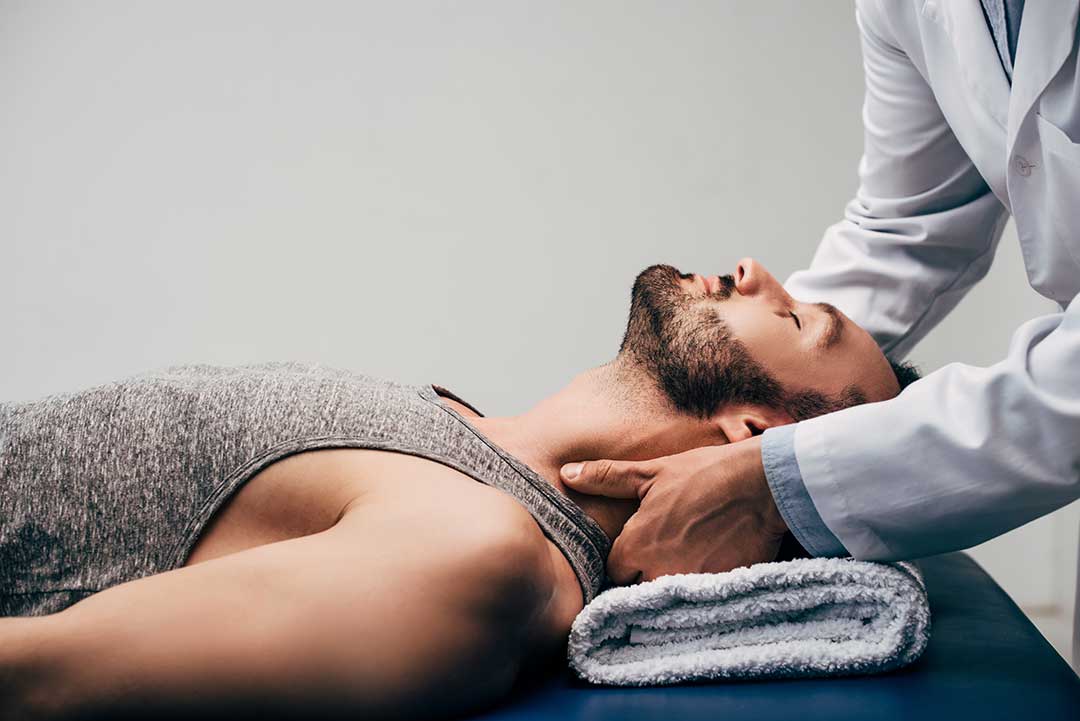
Certain symptoms should not be managed as a routine strain or treated with manipulation before the injury is evaluated. Prompt medical assessment is warranted for:
- Inability to bear weight or use the affected limb
- Obvious deformity
- Rapid or substantial swelling
- Severe pain that is worsening
- Numbness, weakness, or loss of coordination
- A joint that feels locked or repeatedly gives way
- A suspected fracture or dislocation
- Redness, warmth, fever, or other signs of infection
- Head injury with confusion, vomiting, unusual drowsiness, or worsening headache
A suspected concussion also requires specific evaluation and a gradual return-to-activity process. Neck manipulation is not a substitute for concussion assessment.
How does rehabilitation help prevent another injury?
Recovery should gradually restore the demands of the activity. A runner may need progressive loading, calf and hip strengthening, and a measured return to distance. A recreational athlete with an ankle sprain may need balance training, hopping drills, and sport-specific changes of direction before returning to competition.
Prevention often involves correcting several contributing factors rather than focusing on one joint. Helpful areas may include:
- A gradual increase in training intensity
- Adequate warm-up and recovery
- Strengthening areas that control the hips, knees, shoulders, or trunk
- Practicing landing, lifting, or throwing mechanics
- Alternating demanding workouts with easier sessions
- Addressing pain early instead of repeatedly training through it
The return to sport should be based on function, not just the number of days since the injury. A person is usually better prepared when strength, control, mobility, and sport-specific tolerance have substantially returned.
What are common misconceptions?
One misconception is that an adjustment can “put everything back in place” after any sports injury. Most injuries involve a combination of tissue damage, inflammation, muscle response, and altered function. No single technique repairs every type of injury.
Another misconception is that pain should always be eliminated before any movement begins. Some injuries benefit from protected, gradual movement, while others need temporary immobilization or rest. The correct amount depends on the diagnosis.
It is also inaccurate to view chiropractic care and medical or physical rehabilitation as competing choices. Sports injury management often works best when different forms of care are coordinated, with each addressing an appropriate part of recovery.
For local athletes and active households, the practical lesson is straightforward: identify the injury accurately, protect it from worsening, restore movement gradually, rebuild strength, and return to sport only when the body can handle the required demands.
