
Chronic pain can affect movement, sleep, concentration, mood, and participation in ordinary activities. Self-care does not replace medical evaluation, but consistent daily habits can reduce flare-ups, improve function, and make symptoms easier to track.
What counts as chronic pain?
Chronic pain generally lasts three months or longer. It may begin with an injury, arthritis, nerve irritation, muscle strain, surgery, or another health condition. In some cases, the original injury improves while the nervous system remains unusually sensitive to pain signals.
That does not mean the pain is imaginary. It means pain can be influenced by several overlapping factors, including physical activity, sleep, stress, inflammation, posture, expectations, and overall health.
A useful goal is not always complete pain elimination. For many people, progress means walking farther, sleeping more consistently, returning to household activities, or having fewer severe flare-ups.
How should movement be used?
Gentle, regular movement is usually more helpful than prolonged inactivity. Avoiding all activity can lead to stiffness, reduced strength, and greater sensitivity when normal movement resumes.
Start below the level that causes a significant increase in symptoms. Examples may include:
- Five to ten minutes of comfortable walking
- Gentle range-of-motion exercises for the neck, shoulders, hips, or ankles
- Light strengthening using body weight or resistance bands
- Water-based movement if weight-bearing activity is uncomfortable
- Brief movement breaks during desk work, driving, or household tasks
A practical approach is “little and often.” For example, several short walks may be more manageable than one long walk. Increase duration or resistance gradually rather than changing several parts of a routine at once.
Mild soreness after unfamiliar exercise can occur, but sharp, spreading, or rapidly worsening pain is a reason to stop and reassess. Exercise should be adapted to the condition, especially after an injury or when symptoms include numbness, weakness, balance problems, or joint instability.
Can pacing prevent pain flare-ups?
Pacing means balancing activity and rest before symptoms become overwhelming. It is different from stopping all activity whenever pain appears.
People often fall into a cycle of doing too much on a “good” day, followed by a day or more of increased pain and fatigue. Pacing reduces this pattern by setting a manageable activity level and increasing it slowly.
Try these methods:
- Break cleaning, shopping, or yard work into smaller tasks.
- Alternate standing, sitting, and walking.
- Rest briefly before exhaustion rather than waiting until symptoms peak.
- Use a timer for position changes during computer work or television viewing.
- Keep frequently used items within easy reach to reduce repeated bending or lifting.
In the colder months, icy sidewalks, heavy clothing, and more time indoors can change movement habits in the community. Safe indoor walking, gentle mobility exercises, and planned activity breaks can help maintain consistency when outdoor conditions are difficult.
How do sleep and stress affect pain?
Poor sleep can make pain feel more intense, while ongoing pain can make it harder to sleep. Stress may also increase muscle tension and heighten the body’s response to discomfort.
Helpful sleep habits include keeping a regular wake time, limiting stimulating activities shortly before bed, and making the bedroom quiet, dark, and comfortably cool. If pain makes one position difficult, pillows may be used to support the knees, arms, or lower legs, depending on the body area involved.
Stress management does not require eliminating stress. Short practices may be more realistic:
- Slow breathing with a longer exhalation
- Progressive muscle relaxation
- Guided mindfulness
- Gentle stretching
- Journaling about symptoms and daily concerns
- Listening to calming music before bedtime
These methods may not remove the source of pain, but they can reduce the additional tension and alertness that often accompany persistent symptoms.
What should a pain journal include?
A brief pain record can reveal patterns that are difficult to notice from memory. It may also help a healthcare provider understand what changes symptoms.
Record:
- Where the pain occurs and how it feels
- Pain intensity, using a consistent scale
- Sleep quality
- Physical activity and prolonged positions
- Stress, illness, or unusual exertion
- Medications or other approaches used
- What improved or worsened symptoms
The purpose is not to monitor pain constantly. A one- or two-week record is often enough to identify relationships, such as increased symptoms after extended sitting, poor sleep, repetitive lifting, or sudden increases in exercise.
Are heat, cold, stretching, or hands-on care useful?
Heat may relax tight muscles and make movement more comfortable. Cold may temporarily reduce discomfort after certain activities or during a flare-up. A cloth barrier should be placed between the skin and a heat or cold source, and skin should be checked regularly to avoid burns or irritation.
Stretching should feel gentle, not forceful. Bouncing, aggressive pulling, or stretching directly into sharp pain can aggravate symptoms.
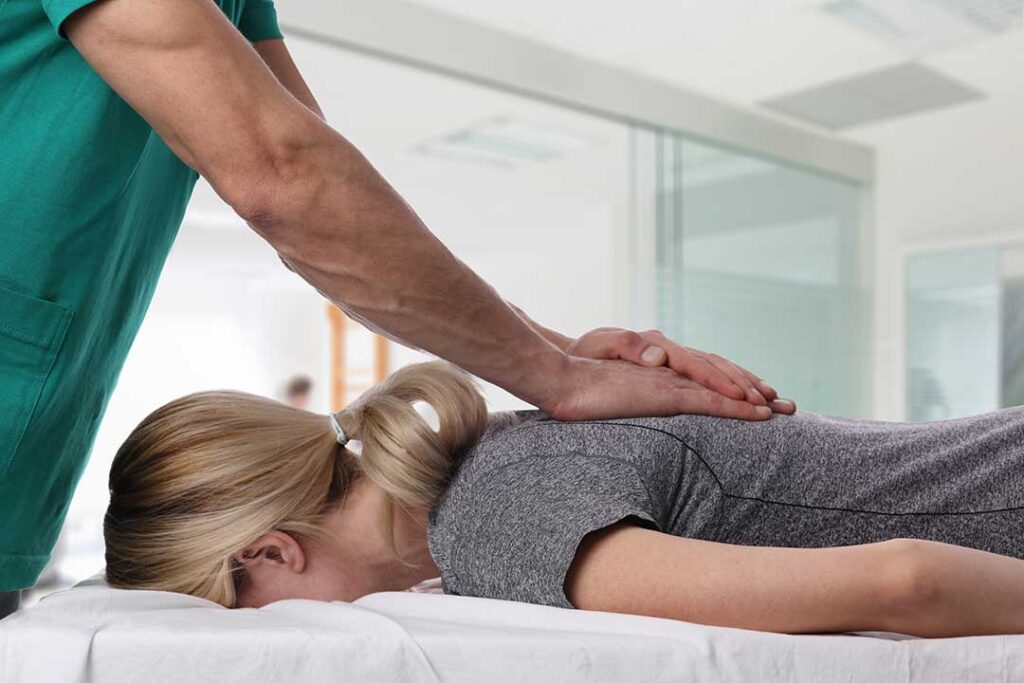
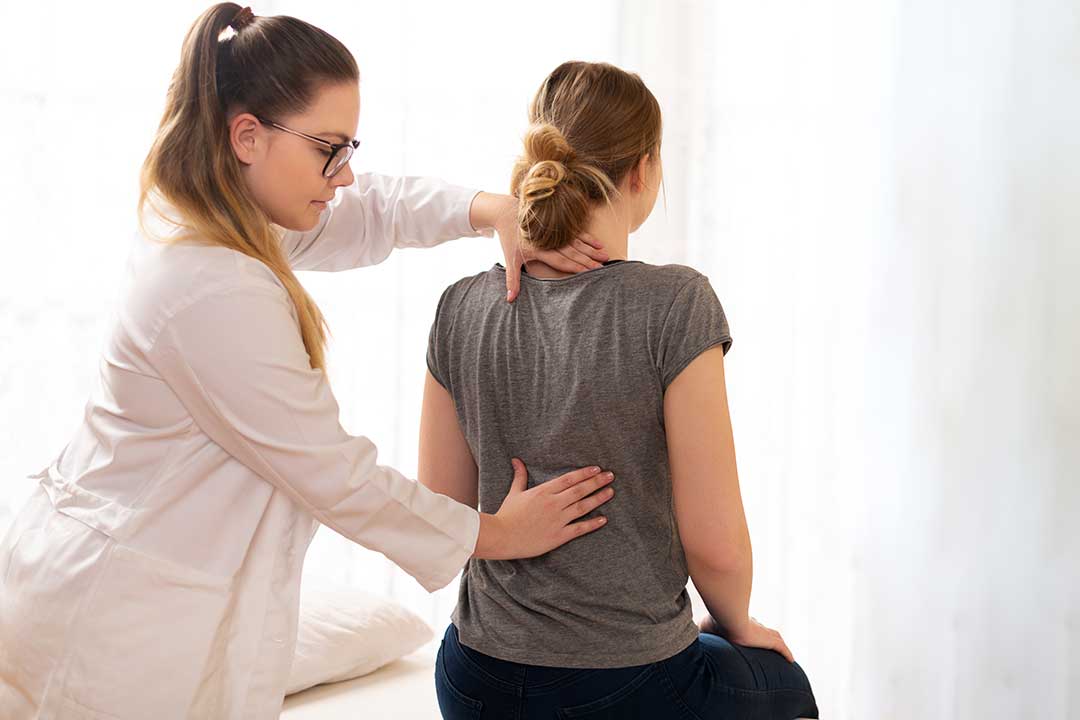
Hands-on approaches, including some forms of spinal manipulation, massage, or mobilization, may provide modest relief for certain people and conditions. Results vary, and these approaches should be considered part of a broader plan rather than a guaranteed solution. Extra caution is appropriate for people with osteoporosis, bleeding disorders, recent surgery, significant nerve symptoms, or other medical concerns.
Do not assume that “natural” supplements are automatically safe. Some can interact with prescription medicines or affect bleeding, blood pressure, blood sugar, or liver function.
When should chronic pain be medically evaluated?
Persistent pain deserves evaluation when it interferes with sleep, work, walking, self-care, or mood. Medical attention is particularly important when symptoms are new, steadily worsening, or unexplained.
Urgent assessment may be needed for pain accompanied by:
- New or progressive weakness
- Loss of bladder or bowel control
- Numbness in the groin or inner thighs
- Fever, unexplained weight loss, or severe illness
- Chest pain, shortness of breath, or fainting
- A major fall, accident, or suspected fracture
- Severe pain that is sudden and unlike previous symptoms
A chiropractor may be one part of care for selected musculoskeletal problems, but chronic pain sometimes requires coordination with a primary care clinician, physical therapist, pain specialist, or other healthcare professional. The appropriate combination depends on the diagnosis, medical history, medications, and personal goals.
What is a realistic self-care plan?
Choose two or three changes that are specific and repeatable. For example, a resident might take a five-minute walk after breakfast, change position every thirty minutes during household or computer tasks, and keep a regular wake time.
Track function as well as pain. Being able to stand longer, prepare a meal, sleep through more of the night, or complete errands with fewer breaks can represent meaningful improvement even if some discomfort remains.
Self-care works best as an ongoing adjustment rather than a test of willpower. The safest plan respects symptom changes, builds activity gradually, and includes medical guidance when pain is severe, persistent, or associated with warning signs.
