
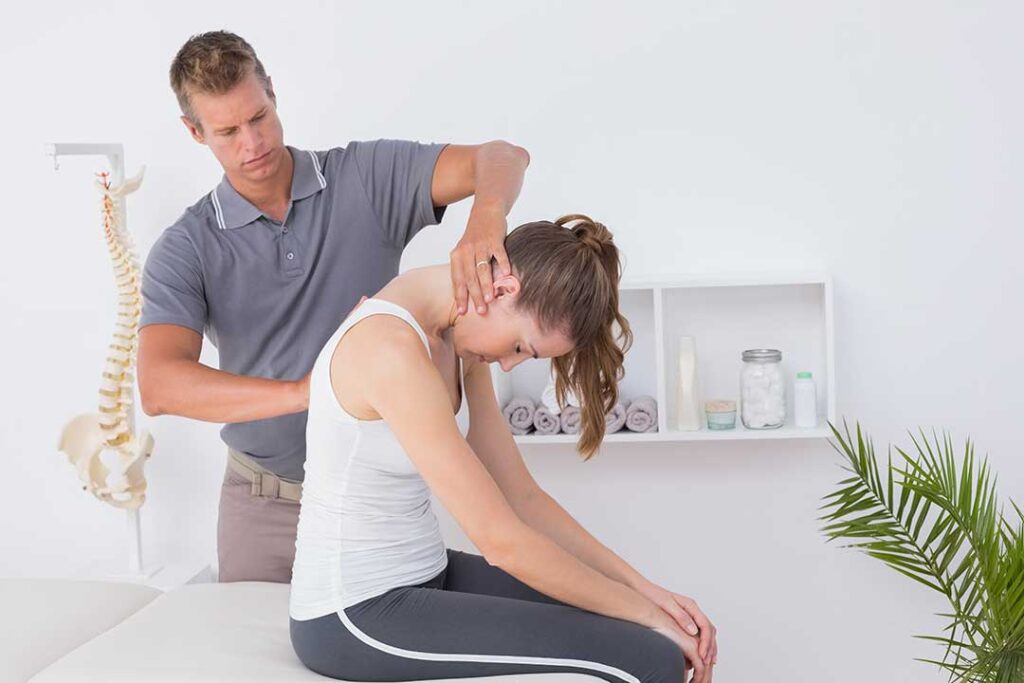
Jaw pain can sometimes be connected to tension or movement patterns in the neck and upper spine, but the relationship is not always direct. The jaw, neck, shoulders, and upper back work as a coordinated system, so irritation in one area may influence how the others move and feel.
For residents of Lynbrook, NY, understanding this connection can help distinguish everyday muscle tension from symptoms that need dental, medical, or urgent evaluation.
How can spinal health affect jaw pain?
The jaw is supported by muscles and connective tissues that also attach to the skull, neck, shoulders, and upper back. If the head rests too far forward, the neck muscles may work harder to support it. This can increase tension in muscles around the base of the skull, face, and jaw.
A forward-head posture may also change the resting position of the lower jaw. Some people respond by clenching their teeth, tightening the tongue, or holding the jaw slightly forward. Over time, this may contribute to soreness, fatigue, headaches, or discomfort while chewing.
This does not mean that every jaw problem is caused by the spine. Jaw pain may also result from tooth problems, arthritis, injury, inflammation, nighttime grinding, stress-related clenching, or a disorder involving the temporomandibular joint and chewing muscles.
What symptoms may suggest a jaw-and-neck connection?
Jaw-related symptoms can occur with or without neck pain. A possible connection becomes more noticeable when symptoms appear together or change with posture and activity.
Common patterns include:
- Aching around the jaw joint or cheek
- Tenderness in the temples or the muscles used for chewing
- Neck or upper-shoulder tightness
- Headaches that begin near the base of the skull
- Jaw fatigue during eating or speaking
- Clicking, popping, or grating during jaw movement
- Difficulty opening the mouth fully
- Ear pressure or facial discomfort without a clear ear infection
- Increased symptoms after prolonged computer, phone, or driving use
Pain that spreads from the jaw toward the neck does not necessarily indicate a spinal disorder. It simply shows that several nearby tissues may be contributing to the same pain experience.
Does poor posture cause TMJ disorders?
Poor posture can contribute to jaw and neck strain, but it is rarely the sole cause of a temporomandibular disorder. “TMJ” refers to the jaw joint, while “TMD” describes a broader group of conditions involving the joint, chewing muscles, or related tissues.
Posture may influence symptoms by increasing muscle workload. For example, a person who spends hours looking down at a phone may develop neck stiffness and begin clenching without realizing it. A workstation that keeps the head rotated or shoulders elevated can create a similar pattern.
However, jaw symptoms can persist even after posture improves. The joint itself, dental alignment, sleep-related grinding, emotional stress, previous injury, and general pain sensitivity may also matter.
Can neck treatment relieve jaw discomfort?
In some cases, reducing neck and upper-back tension may lessen jaw symptoms, particularly when the discomfort is largely muscular. Gentle movement, improved work positioning, breathing exercises, and relaxation of the jaw may help reduce unnecessary strain.
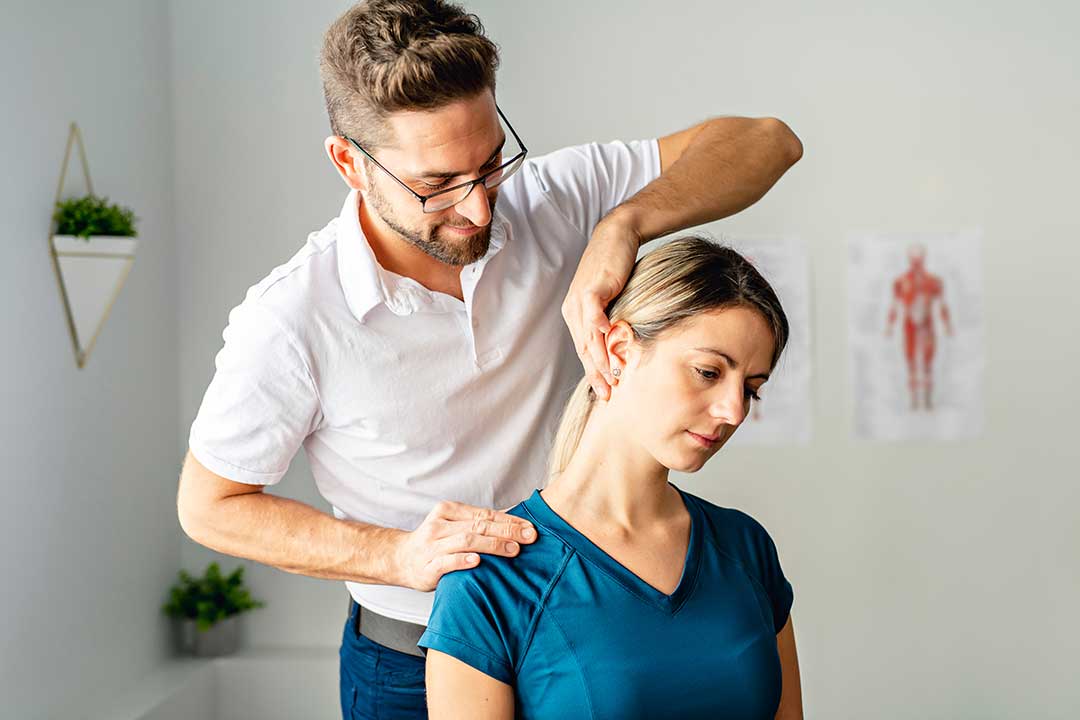
A chiropractor may evaluate spinal motion, posture, muscle tenderness, and movement habits as part of a broader musculoskeletal assessment. That evaluation should not replace an examination of the teeth, jaw joint, or facial structures when those areas may be involved.
Care should be coordinated according to the symptoms. A dentist or physician may be appropriate for persistent jaw pain, changes in the bite, dental pain, swelling, locking, or significant difficulty opening the mouth. Treatment aimed at the neck should not be assumed to correct every cause of jaw pain.
What can residents try safely at home?
For mild, recent symptoms without warning signs, conservative measures may be reasonable for a short period:
- Keep the teeth slightly apart when not eating. The lips can rest together while the upper and lower teeth remain separated.
- Choose softer foods temporarily if chewing increases pain.
- Avoid gum, chewy foods, wide yawning, and biting hard objects.
- Apply gentle warmth to tight jaw or neck muscles if it feels soothing.
- Change position regularly during computer, phone, and household tasks.
- Hold screens closer to eye level instead of repeatedly bending the neck downward.
- Practice slow nasal breathing and notice whether the jaw is clenched.
- Use light, comfortable neck movement rather than forceful stretching.
- Track whether symptoms are worse after waking, during stressful periods, or after long periods of sitting.
Cold weather and indoor heating can also influence daily habits. During colder months in Lynbrook, people may tense the shoulders, brace the jaw, or spend longer periods sitting indoors. Dry indoor air may contribute to mouth breathing for some individuals, which can alter resting patterns in the face and neck. These factors do not directly cause TMD, but they may make muscle tension more noticeable.
Is jaw clicking always a sign of damage?
No. Clicking or popping without pain, limited movement, or locking is common and does not always require treatment. The sound may come from normal changes in how the jaw joint moves.
Concern is greater when a sound is accompanied by pain, swelling, repeated locking, a sudden change in the bite, reduced ability to open the mouth, or symptoms following an injury. A painless click should not automatically be treated as evidence that the jaw is “out of alignment.”
Similarly, imaging is not always necessary for mild jaw symptoms. The need for imaging depends on the examination, symptom duration, injury history, and suspected cause.
When should jaw pain be evaluated promptly?
Jaw pain deserves timely evaluation when it is severe, persistent, or worsening. Prompt attention is especially appropriate for:
- A jaw that locks open or closed
- Major difficulty opening the mouth
- Facial swelling, fever, or signs of infection
- A recent blow to the face or jaw
- Numbness, weakness, or new neurological symptoms
- Unexplained weight loss or inability to eat and drink
- Chest pressure, shortness of breath, sweating, nausea, or pain spreading to the arm or neck
Heart-related pain can occasionally be felt in the jaw, particularly with exertion. Emergency symptoms should not be attributed to posture, muscle tension, or a spinal problem without immediate medical assessment.
What is the practical takeaway?
Jaw pain and spinal health can be connected through posture, muscle coordination, clenching, and shared pain pathways. The connection is real for some people, but it does not prove that the spine is the original cause.
A balanced evaluation considers the jaw joint, teeth, chewing muscles, neck, shoulders, sleep habits, stress, recent injuries, and daily activities. Gentle self-care may help mild muscle-related symptoms, while persistent, severe, or unusual symptoms warrant appropriate dental or medical evaluation.
