

Can chiropractic care help with vertigo?
Sometimes, but it depends on what is causing the dizziness. Chiropractic care may be relevant when symptoms are connected to neck pain, restricted neck movement, muscle tension, or a condition sometimes called cervicogenic dizziness. It is not a universal treatment for vertigo, and it does not directly correct most inner-ear disorders.
Vertigo is the sensation that the room is spinning or that the body is moving when it is not. Because vertigo can result from inner-ear problems, migraine, medication effects, blood-pressure changes, neurological conditions, or other causes, identifying the source should come before choosing treatment.
For residents of Lynbrook, NY, this distinction matters. A person who becomes dizzy while rolling over in bed may need a different evaluation than someone who feels unsteady after a neck injury, prolonged computer work, or a fall on an icy walkway.
What causes vertigo?
The most common causes of true spinning vertigo involve the balance system in the inner ear or, less commonly, the brain.
Benign paroxysmal positional vertigo, often called BPPV, occurs when tiny calcium particles move into an inner-ear canal where they interfere with normal balance signals. It often causes brief episodes when a person:
- Rolls over in bed
- Sits up or lies down
- Looks upward
- Bends forward
- Turns the head quickly
Other causes may include inner-ear inflammation, Ménière’s disease, vestibular migraine, head injury, medication side effects, dehydration, low blood pressure, or neurological illness.
Neck-related dizziness is considered separately. The muscles and joints of the neck provide information about head position. If that information does not match signals from the eyes and inner ear, some people may experience dizziness, disorientation, or imbalance. This pattern is more likely when dizziness occurs with neck pain or stiffness and began after a neck injury or prolonged strain.
However, neck-related dizziness is a diagnosis of exclusion. That means more common and potentially serious causes should be considered first.
What might a chiropractor do?
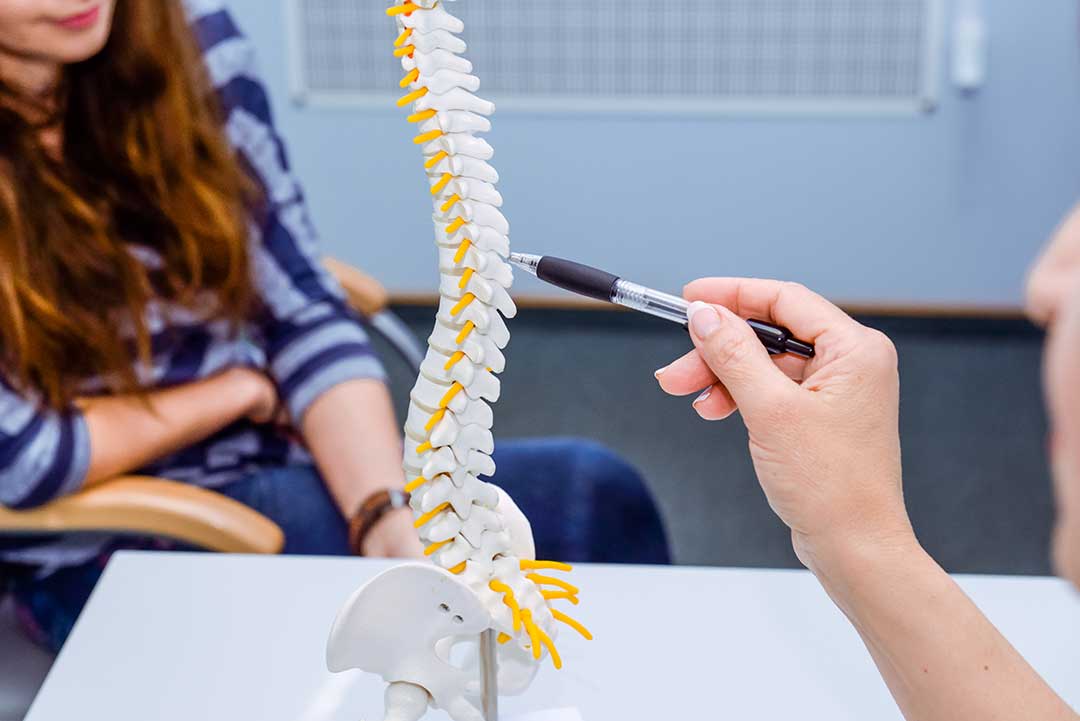
A careful chiropractic evaluation may include questions about when the dizziness began, what movements trigger it, whether there is neck pain, and whether symptoms followed an injury. A practitioner may also assess posture, neck range of motion, balance, and related muscle tension.
If the pattern suggests that the neck is contributing to symptoms, conservative care might include:
- Gentle mobility exercises
- Postural guidance
- Soft-tissue techniques
- Strengthening of the neck and upper back
- Advice about movement habits and workstation setup
- Coordination with medical or rehabilitation providers
These approaches may help reduce neck discomfort and improve movement-related symptoms in selected cases. They should not be presented as a way to treat every type of vertigo.
High-velocity neck manipulation deserves particular caution when someone has unexplained dizziness, severe headache, recent trauma, neurological symptoms, or unusual neck pain. Rare but serious blood-vessel problems can resemble ordinary neck pain or dizziness. A person should receive appropriate medical evaluation before forceful neck treatment is considered.
Can chiropractic care treat BPPV?
Chiropractic care is not the standard treatment for BPPV. BPPV is usually addressed with a canalith repositioning maneuver, such as the Epley maneuver, performed after the affected ear and canal are identified.
Some healthcare professionals, including physical therapists with vestibular training, are specifically trained to evaluate positional vertigo and perform repositioning procedures. These maneuvers are different from general spinal adjustments because they are designed to move inner-ear particles into a location where they no longer trigger vertigo.
Self-treatment videos can be misleading because the correct maneuver depends on the type and side of the BPPV. Neck arthritis, limited neck movement, recent surgery, vascular concerns, or other conditions may also make certain movements inappropriate.
When should dizziness be medically evaluated?
New, persistent, recurrent, or unexplained vertigo deserves medical attention, especially if it affects walking, driving, work, or the ability to safely use stairs. An evaluation may involve a primary care clinician, ear and balance specialist, neurologist, or vestibular physical therapist, depending on the symptoms.
Urgent or emergency evaluation is appropriate when dizziness occurs with:
- New weakness or numbness, especially on one side
- Trouble speaking, understanding speech, or swallowing
- Double vision or sudden vision loss
- Severe trouble walking or inability to stand
- Fainting, chest pain, or severe shortness of breath
- A sudden, severe headache
- New hearing loss
- Severe or unusual neck pain
- Symptoms after a significant head or neck injury
These warning signs can indicate a stroke, serious injury, or another condition that should not be attributed to muscle tension.
How can someone describe symptoms clearly?
A short symptom record can make evaluation more useful. Note:
- Whether the sensation is spinning, lightheadedness, faintness, or unsteadiness
- How long each episode lasts
- Whether turning the head or changing position triggers it
- Whether hearing changes, ringing, headache, nausea, or neck pain occur
- Recent infections, falls, head injuries, medication changes, or dehydration
- Whether symptoms interfere with walking or driving
“Dizziness” can mean several different sensations. Describing the experience precisely helps distinguish positional vertigo from faintness, imbalance, migraine-related symptoms, or neck-associated discomfort.
What can reduce fall risk at home?
During an episode, sitting or lying down is safer than trying to walk through it. Avoid driving, ladders, showers without secure footing, and sudden head movements until the cause is clearer.
In homes with stairs, narrow hallways, older flooring, or seasonal wet and icy entryways, practical measures can reduce injury risk:
- Improve lighting, especially near stairs
- Keep walkways clear of loose rugs and clutter
- Use handrails
- Wear supportive, non-slip footwear
- Rise slowly from bed or a chair
- Ask someone to assist if walking feels unsafe
Chiropractic care may have a role when neck-related factors are genuinely contributing to dizziness, but vertigo should not automatically be treated as a spinal problem. The safest approach is to identify the likely cause first, address urgent symptoms promptly, and use targeted treatment—such as repositioning maneuvers, vestibular rehabilitation, medication, or carefully selected neck care—based on the evaluation.
