
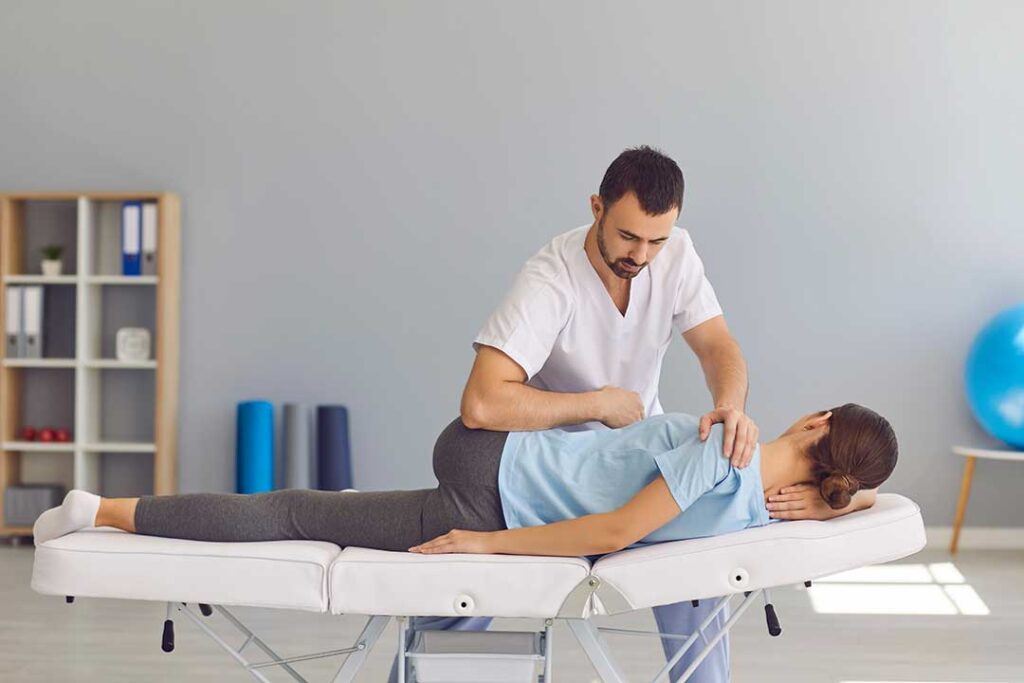
What helps keep the spine healthy?
For residents of Lynbrook, NY, spinal health often depends less on occasional treatments and more on everyday habits. Regular movement, sensible lifting, supportive sleep routines, and attention to posture can help reduce unnecessary strain on the back and neck.
A healthy spine is not perfectly still or rigid. It is designed to move, absorb force, and adjust to changing activities. The goal is to maintain strength, mobility, and coordination while avoiding repeated stress that exceeds the body’s ability to recover.
How much movement does the spine need?
The spine generally benefits from frequent, moderate movement rather than long periods of inactivity followed by intense effort. Walking, gentle stretching, swimming, cycling, and strength exercises can all support back health when performed within a person’s abilities.
Long stretches of sitting may be common during desk work, commuting, studying, or household activities. Instead of trying to maintain one “perfect” posture all day, change positions regularly. Every 30 to 60 minutes, stand up, walk briefly, stretch, or shift how the body is supported.
Useful movement habits include:
- Taking short walking breaks during the day
- Gently rotating the shoulders and moving the neck through a comfortable range
- Strengthening the hips, legs, abdomen, and back
- Avoiding sudden increases in exercise intensity
- Returning gradually to activity after illness, injury, or a long inactive period
Exercise should not consistently cause sharp, shooting, or worsening pain. Mild muscle fatigue can be normal, but persistent symptoms deserve attention.
Which exercises support the back?
A balanced routine usually includes aerobic activity, strength training, and mobility work. Strong legs and hips can reduce the amount of force placed on the lower back during lifting, climbing stairs, and household tasks. Abdominal and trunk muscles also help control movement, although “core strength” is not the only factor involved in back health.
Examples of generally useful exercises include walking, sit-to-stand movements, bridges, supported squats, gentle bird-dog exercises, and light resistance training. The right choice depends on age, fitness, balance, medical history, and current symptoms.
Stretching can be helpful when muscles feel stiff, but flexibility alone does not prevent every type of back problem. Slow, controlled movement is usually more useful than forcing a stretch or bouncing into a position.
How can sitting and screen use be made easier on the spine?
A comfortable workstation allows the head, shoulders, arms, and hips to remain supported without excessive reaching or bending. The screen should be positioned close to eye level, and the keyboard or work surface should allow the elbows to rest near the sides.
Helpful adjustments include:
- Keeping both feet supported on the floor or on a stable footrest
- Using a chair that supports the lower back without forcing an exaggerated arch
- Placing frequently used items within easy reach
- Avoiding prolonged phone use with the head bent sharply downward
- Changing posture instead of holding the body stiffly
- Using a headset or speaker function for long phone conversations
There is no single posture that is best for everyone. A position that feels comfortable for a short period may become uncomfortable if held for hours. Movement and variety matter as much as the exact setup.
What is the safest way to lift?
Lifting problems often occur because of a combination of weight, awkward positioning, twisting, repetition, and fatigue. Before lifting, consider whether the object can be divided into smaller loads or moved with assistance.
For a routine lift:
1. Stand close to the object.
2. Place the feet securely and face the direction of travel.
3. Bend through the hips and knees rather than rounding only through the lower back.
4. Keep the load close to the body.
5. Rise smoothly without jerking.
6. Turn with the feet instead of twisting the trunk while carrying.
Household tasks can create repeated strain, especially during seasonal cleaning, moving boxes, yard work, or snow-related chores. Break larger jobs into shorter sessions and alternate tasks that use different muscle groups. Fatigue can make otherwise familiar movements less controlled.

Does sleep position affect spinal comfort?
Sleep position can influence morning stiffness and nighttime discomfort, although no single position is correct for every person. Side sleeping may feel more comfortable with a pillow that keeps the head level with the spine. A pillow between the knees can reduce rotation through the hips and lower back.
People who sleep on their backs may prefer support beneath the knees. Stomach sleeping can place the neck in rotation and may aggravate discomfort for some individuals, but changing sleep position is not always necessary if a person is comfortable and symptom-free.
Mattresses and pillows do not need to be unusually firm to support the spine. The most useful arrangement is one that maintains comfortable support without creating pressure points or forcing the body into an awkward position.
How do seasonal conditions affect back care?
Cold weather may make muscles and joints feel stiffer, particularly after time spent outdoors or in poorly heated spaces. A gradual warm-up can help before shoveling, walking briskly, or performing outdoor chores. Begin with several minutes of easy movement rather than immediately lifting or pushing heavy loads.
Winter footwear should provide secure traction. Slips and falls can injure the back, neck, hips, or wrists, so clear walking paths when possible and avoid carrying loads that block the view of the ground.
During warmer months, hydration and pacing matter during outdoor activity. Heat can contribute to fatigue, which may make lifting technique and balance less reliable. Rest breaks are useful even when a task seems routine.
When is back or neck pain a warning sign?
Many episodes of back discomfort improve with continued gentle activity and time, but certain symptoms require prompt medical evaluation. Seek urgent care for back or neck pain accompanied by:
- New loss of bowel or bladder control
- Numbness around the inner thighs or groin
- Severe or worsening weakness in an arm or leg
- Difficulty walking or maintaining balance
- Pain after a major fall or collision
- Fever, unexplained weight loss, or a history of cancer
- Severe pain that does not improve or prevents normal daily activity
Pain that travels into an arm or leg, causes persistent tingling, or repeatedly interferes with sleep should also be assessed rather than ignored. A health professional can help determine whether the symptoms are related to muscles, joints, nerves, discs, or another condition.
Can everyday habits prevent every spine problem?
No. Healthy habits can lower avoidable strain and support recovery, but they cannot eliminate all injuries or spinal conditions. Age-related changes, accidents, inflammatory disorders, bone weakness, inherited factors, and medical conditions may affect the spine even in active people.
The practical aim is consistency: move regularly, build strength gradually, use sound lifting habits, vary positions, protect sleep, and respond early when symptoms change. These measures are useful for local residents balancing work, commuting, household responsibilities, and seasonal activities in the community.
