
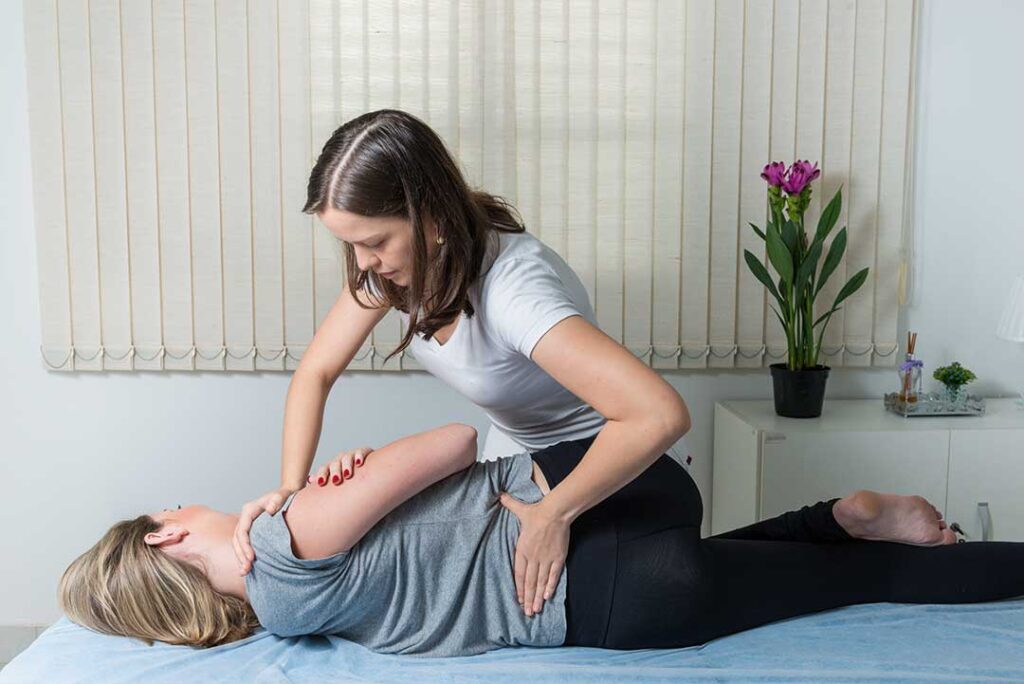
What does core strength have to do with spinal health?
Core strength helps the body support, control, and move the spine during everyday activities. A capable core can reduce unnecessary strain on the lower back, improve balance, and make movements such as bending, lifting, walking, and standing more efficient.
The “core” is more than the abdominal muscles. It includes muscles around the abdomen, back, pelvis, hips, and diaphragm. These muscles work together to stabilize the trunk while the arms and legs move.
Core strength does not guarantee freedom from back pain. Spinal discomfort can also involve joints, discs, nerves, muscle tension, injuries, posture, sleep, stress, or other health conditions. Still, improving strength and movement control is an important part of maintaining physical function.
How does a weak core affect the back?
A weak or poorly coordinated core may make it harder to maintain a steady trunk during movement. The lower back can then take on more of the work during activities such as carrying laundry, reaching into a car, climbing stairs, or lifting a child.
Weakness is not always obvious. Someone may be able to hold a plank for a short period but still have difficulty controlling the spine while twisting, walking uphill, or lifting from the floor. Core health involves strength, endurance, coordination, and the ability to use the muscles during real-life movements.
Prolonged sitting can also expose weaknesses in trunk endurance. Local residents who work at desks, commute, study, or spend long periods using screens may notice stiffness after remaining in one position. The problem is often not a single “bad” posture, but too little movement and too few changes in position throughout the day.
Can core exercises prevent or reduce back pain?
Core exercises may help reduce the risk of recurring back problems and can support recovery for some types of low back pain. They are most useful when combined with general physical activity, gradual strengthening, good movement habits, and adequate recovery.
Exercise should not be viewed as a cure for every cause of back pain. For some people, gentle walking, hip strengthening, mobility work, or balance training may be more appropriate than demanding abdominal exercises.
A balanced program often includes:
- Trunk exercises that resist movement, such as modified planks
- Hip and leg strengthening, including bridges or sit-to-stand movements
- Controlled movements that involve bending, reaching, and rotating
- Walking or other comfortable aerobic activity
- Mobility exercises for areas that feel restricted
The goal is not to keep the spine rigid all day. A healthy spine needs stability, but it also needs normal, comfortable movement.
Which core exercises are appropriate for beginners?
Beginners can start with exercises that emphasize control rather than intensity. The following examples are commonly adaptable, but each should be performed within a comfortable range.
Abdominal bracing: Lie on the back with the knees bent. Gently tighten the abdominal muscles as if preparing for a light cough, while continuing to breathe normally. Hold for several breaths and relax.
Bridge: From the same position, press through the feet and slowly lift the hips. Keep the movement controlled and avoid forcing the lower back into an excessive arch.
Bird-dog: From hands and knees, extend one arm or one leg at a time. Progress only when the trunk remains steady and the movement does not cause pain.
Side plank modification: Support the body on the knees and forearm rather than starting with straight legs. This works the side abdominal muscles while allowing a lower level of resistance.
Sit-to-stand: Rise from a sturdy chair and sit back down with control. This trains the hips, thighs, and trunk for a common daily movement.
Start with a small number of repetitions or brief holds. Two or three sessions per week can be enough to begin building consistency. Increase difficulty gradually rather than adding many exercises at once.
What mistakes can make core training less helpful?
The most common mistake is treating discomfort as proof that an exercise is working. Muscle fatigue can be normal, but sharp, electric, spreading, or worsening pain is a reason to stop.
Other problems include:
- Holding the breath during difficult repetitions
- Using momentum instead of controlled movement
- Arching or rounding the back excessively
- Progressing to advanced exercises too quickly
- Training the abdomen while neglecting the hips, legs, and upper back
- Exercising through symptoms that continue after the session
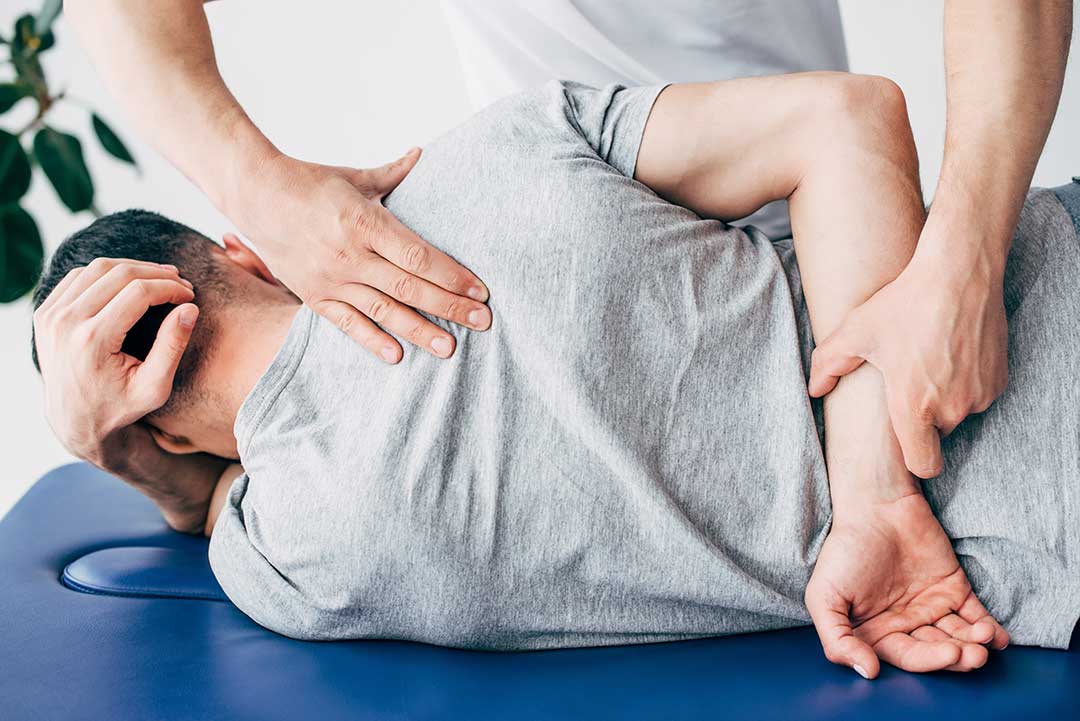
A strong core should support natural movement, not create constant stiffness. Quality and consistency matter more than performing the hardest variation.
How can core strength help with seasonal activities?
Seasonal tasks can place unusual demands on the spine because they may involve lifting, twisting, reaching, or working for longer than usual. In the colder months, snow and ice can also change footing and make shoveling more strenuous. Even without heavy snow, moving outdoor items, carrying bags, or cleaning can challenge an unprepared trunk.
Before demanding activity, begin with several minutes of easy walking and gentle movement. Use smaller loads when possible, keep frequently used items within comfortable reach, and avoid combining heavy lifting with sudden twisting.
During lifting, bring the object close to the body, use the legs and hips, and turn by moving the feet instead of rotating sharply through the lower back. Take breaks before fatigue causes technique to deteriorate.
How much physical activity is enough?
Adults generally benefit from regular aerobic activity along with muscle-strengthening activity on at least two days each week. Core exercises can count as part of muscle strengthening, but a complete program should involve major muscle groups throughout the body.
Walking is a practical starting point for many people. Short walks spread across the day can be useful for residents who spend much of the day sitting or who are returning to activity after a period of inactivity.
Older adults may also benefit from exercises that address balance and leg strength. These abilities support safer walking, stair use, and household activities, while helping maintain independence.
The right amount depends on age, current fitness, previous injuries, and health conditions. Gradual progress is safer and more sustainable than trying to make up for months of inactivity in a single workout.
When should back pain be medically evaluated?
Back pain that is severe, persistent, repeatedly returning, or interfering with normal activities deserves appropriate medical attention. Prompt evaluation is especially important when pain follows a significant fall or accident, or when it occurs with fever, unexplained weight loss, or a history of serious illness.
Seek urgent care for back pain accompanied by new loss of bladder or bowel control, numbness around the groin or inner thighs, or significant weakness in the legs. These symptoms can indicate a serious problem requiring timely assessment.
For ordinary muscle soreness after exercise, rest, gentle movement, and a gradual return to activity may be reasonable. Pain that continues to worsen or does not improve should not be dismissed as simple weakness.
What is the main takeaway?
Core strength supports spinal health by improving trunk control, movement efficiency, balance, and tolerance for everyday activity. The most useful approach is usually a combination of progressive strengthening, regular walking or other aerobic activity, varied movement during the day, and sensible lifting habits.
Residents in Lynbrook can apply these principles to desk work, household tasks, commuting, stair use, and seasonal outdoor chores. A strong, mobile body is built through steady practice rather than a single demanding workout.
