

Healthy aging is not simply about adding years to life. It also involves preserving strength, balance, mobility, comfort, and independence. Chiropractic care may support some of these goals, especially when it is used as part of a broader plan that includes exercise, medical care, healthy sleep, and fall prevention.
Chiropractic treatment does not reverse aging or cure every cause of pain. Its potential role is more specific: helping some adults manage musculoskeletal discomfort, move more comfortably, and stay engaged in daily activities.
What does chiropractic care have to do with healthy aging?
Chiropractic care focuses primarily on the muscles, joints, bones, and nervous system. Depending on a person’s condition, care may include spinal or joint manipulation, mobilization, soft-tissue techniques, posture education, and movement recommendations.
For an older adult, the practical goal is often improved function rather than a perfectly “aligned” spine. Being able to walk comfortably, turn the head while driving, rise from a chair, carry groceries, or perform household tasks can make a meaningful difference in independence.
Common concerns that may lead someone to explore chiropractic care include:
- Low back pain
- Neck or upper-back discomfort
- Stiffness related to prolonged sitting
- Joint or muscle discomfort after activity
- Reduced ease of movement
- Recurring strains associated with household work or recreation
The appropriate approach depends on the person’s age, medical history, medications, bone health, previous injuries, and current symptoms.
Can chiropractic treatment improve mobility?
It may help some people move more comfortably, particularly when pain or joint stiffness has limited normal activity. Improved comfort can make it easier to participate in walking, strengthening, stretching, or balance exercises—the activities most closely linked with maintaining physical function as people age.
This distinction matters. Passive treatment alone is unlikely to preserve strength or balance over the long term. A person may feel temporary relief after hands-on care, but lasting mobility generally depends on regular movement and gradual strengthening.
For example, someone who experiences back stiffness after sitting may benefit from a plan that combines appropriate manual treatment with:
- Short, frequent walks
- Gentle range-of-motion exercises
- Leg and hip strengthening
- Practice standing from a chair
- Adjustments to sitting, lifting, and sleeping habits
Exercises should match current ability. A movement that is appropriate for one older adult may be unsafe for another, particularly after surgery, a fracture, or a period of inactivity.
Does chiropractic care prevent falls?
Chiropractic care by itself should not be described as a fall-prevention program. Falls are influenced by many factors, including leg strength, balance, vision, footwear, medication effects, blood pressure changes, home hazards, and neurological or vestibular conditions.
Chiropractic care may contribute indirectly if it helps a person move with less discomfort or maintain more normal joint motion. However, fall prevention requires a broader strategy. Useful elements include:
- Strengthening the legs, hips, and trunk
- Practicing balance under safe conditions
- Improving lighting around stairs and walkways
- Removing loose rugs and clutter
- Using handrails and bathroom supports when needed
- Reviewing medications that may cause dizziness or drowsiness
- Addressing vision, hearing, and foot problems
Seasonal conditions can also affect safety for local residents. Wet leaves, snow, ice, and reduced daylight may make outdoor walking more difficult during colder months. Clear paths, supportive footwear, adequate lighting, and an indoor movement plan can help maintain activity when outdoor surfaces are unreliable.
Is spinal manipulation safe for older adults?
Spinal manipulation is not automatically appropriate or inappropriate based only on age. Safety depends on the technique, the area being treated, the person’s health history, and the clinician’s assessment.
Older adults should make sure relevant information is discussed before treatment, including:
- Osteoporosis or a history of fractures
- Recent falls
- Prior spinal surgery
- Blood-thinning medication
- Inflammatory or neurological disorders
- Cancer history
- Unexplained weight loss or persistent nighttime pain
- Severe or rapidly worsening symptoms
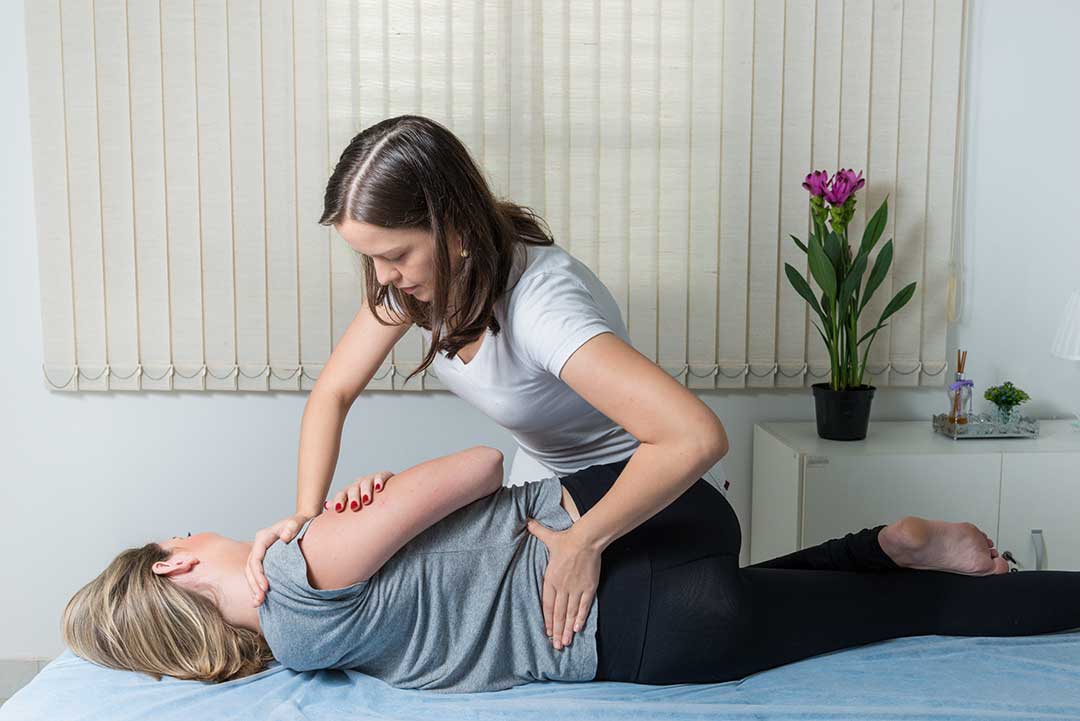
Gentler options may be considered when forceful techniques are not suitable. These can include mobilization, soft-tissue work, guided exercise, posture changes, or education about daily activities.
Seek prompt medical evaluation for symptoms such as new weakness, loss of bladder or bowel control, numbness in the groin area, fever with severe back pain, major trauma, sudden severe headache, chest pain, or unexplained loss of coordination. These symptoms require medical assessment rather than routine musculoskeletal care.
What should older adults expect during an evaluation?
A careful evaluation should begin with questions about symptoms, daily limitations, previous injuries, medications, general health, and personal goals. The examination may include observation of posture and walking, joint movement, muscle strength, balance, and neurological function.
The purpose is not merely to identify a painful area. It is to determine whether the problem appears suitable for conservative care and whether another type of medical evaluation is needed.
A useful discussion may include:
- What activities are becoming difficult?
- How long has the problem been present?
- Was there a fall or other injury?
- What makes symptoms better or worse?
- Are there signs of weakness, numbness, dizziness, or poor coordination?
- What level of exercise is currently realistic?
Older adults should also feel comfortable asking what a recommended technique is intended to accomplish, what alternatives exist, and how progress will be measured.
How can chiropractic care fit with exercise and medical care?
Chiropractic care works best as one part of coordinated health management. Primary medical care remains important for blood pressure, diabetes, osteoporosis, arthritis, medication review, neurological symptoms, and other conditions that can affect mobility.
Exercise is equally central. Many older adults benefit from a combination of aerobic activity, muscle strengthening, and balance practice. Walking, water-based activity, resistance exercises, tai chi, and carefully selected home exercises may all have a place, depending on physical ability.
Communication among healthcare providers is especially useful when someone has multiple conditions or takes several medications. A history of falls, osteoporosis, recent surgery, or significant pain should not be left out of the discussion.
What are realistic expectations?
Healthy aging is supported by steady habits, not a single treatment. Chiropractic care may help reduce certain types of musculoskeletal discomfort or make movement easier, but it should not be presented as a way to stop aging, rebuild damaged cartilage, or guarantee freedom from falls.
A realistic objective is functional improvement: walking a little farther, moving more comfortably in the kitchen, sleeping with fewer interruptions from stiffness, or returning gradually to activities that matter to the individual.
For residents in Lynbrook, maintaining mobility can support everyday independence, whether that means managing stairs at home, walking to nearby destinations, carrying household items, or staying active through changing weather. The most useful plan is one that respects medical conditions, builds strength gradually, and keeps ordinary movement part of daily life.
