
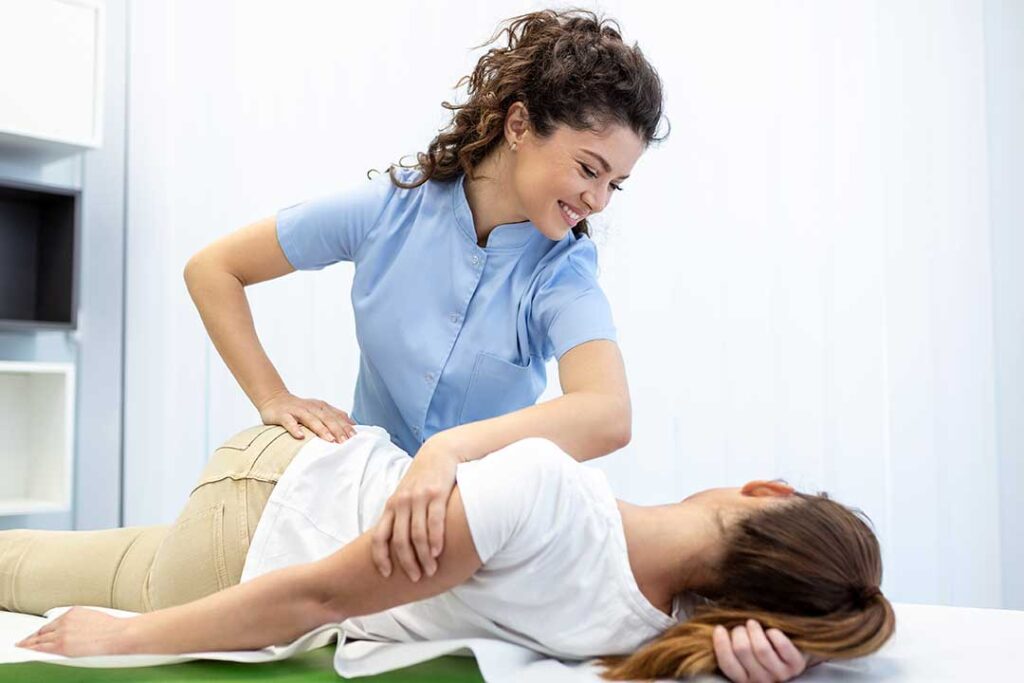
Knee pain can often be reduced without medication, but the safest approach depends on what caused it. Mild overuse, stiffness, early osteoarthritis, muscle weakness, and minor strains may respond to activity changes, gentle exercise, cold or warmth, and improved movement habits. Sudden severe pain, major swelling, instability, or an injury may require prompt medical evaluation.
What can cause knee pain?
Knee discomfort is not one condition. It may come from irritated tendons, a strained ligament, cartilage changes, bursitis, arthritis, muscle imbalance, or an injury involving the kneecap or meniscus.
The location and timing of pain can offer useful clues:
- Pain in the front of the knee may worsen with stairs, squatting, or sitting for a long time.
- Pain along the inside or outside of the joint may follow twisting, uneven movement, or repetitive activity.
- Swelling after exercise can suggest irritation or an injury.
- Stiffness that is worse after sitting or upon waking may occur with arthritis or reduced joint mobility.
- A knee that catches, locks, gives way, or cannot fully straighten deserves closer attention.
Residents dealing with stairs, long periods of sitting, walking on hard surfaces, or winter conditions may notice symptoms more during specific routines. Slippery sidewalks and uneven surfaces can also increase the risk of twisting the knee.
Should you rest a painful knee?
Usually, the goal is relative rest rather than complete inactivity. Avoid activities that clearly increase pain, but continue comfortable movement so the knee does not become stiffer or weaker.
For the first day or two after a mild flare-up, reduce deep squats, kneeling, running, jumping, and repeated stair climbing. Short, easy walks on level ground may be appropriate if they do not increase symptoms.
A useful rule is to monitor how the knee feels during activity and later that day. Mild temporary discomfort may be tolerable, but pain that becomes sharp, causes limping, or remains worse into the next day means the activity was too demanding.
How can cold or warmth help?
Cold may help calm swelling after a recent strain or activity-related flare. Apply a cold pack wrapped in a thin towel for about 15 minutes at a time. Do not place ice directly on the skin or fall asleep while using it.
Warmth may be more comfortable for stiffness without significant swelling. A warm shower, heating pad used carefully, or several minutes of gentle movement can help loosen the surrounding muscles before activity.
Use whichever provides relief, but do not use heat over a visibly swollen, hot, or acutely injured area. People with reduced sensation or circulation problems should use extra caution with hot and cold applications.
Which exercises may reduce knee pain?
Strengthening the muscles around the hip and thigh can improve support for the knee. Begin with a small number of controlled repetitions and stop if an exercise causes sharp pain.
Examples that may be suitable for some people include:
- Seated knee extensions: Sit upright, slowly straighten one leg, hold briefly, and lower it with control.
- Straight-leg raises: Lie on your back with one knee bent and the other leg straight. Tighten the thigh of the straight leg and lift it a short distance.
- Glute bridges: Lie on your back with both knees bent. Gently lift the hips while keeping the movement controlled.
- Wall-supported mini-squats: Use a wall or sturdy surface for balance and bend only a small amount.
- Calf and hamstring stretches: Stretch gently without bouncing or forcing the joint.
Low-impact activities such as walking, cycling, water exercise, and tai chi may be easier on the knees than running or jumping. Start with five to ten minutes if necessary, then add time gradually.
Exercise should not produce sharp pain, a feeling of giving way, or increasing swelling. If symptoms consistently worsen, the activity needs to be modified or paused.
Can body weight affect knee discomfort?
Body weight is only one factor in knee health, but reducing excess load may decrease stress on weight-bearing joints. Even modest changes may make walking, stair climbing, and standing more comfortable for some people.
Weight management does not need to involve extreme dieting. A practical approach may include regular meals, adequate protein, more vegetables and fiber-rich foods, and consistent low-impact activity. Any plan should account for medical conditions, mobility limitations, and individual nutritional needs.
How can daily habits protect the knees?
Small changes in movement patterns can reduce repeated irritation:
- Change position regularly instead of sitting for several uninterrupted hours.
- Use a handrail on stairs, especially when the knee feels unstable.
- Avoid twisting while the foot is planted.
- Choose supportive, comfortable footwear for walking and standing.
- Use a stable step stool rather than climbing on furniture.
- Keep frequently used household items within easy reach.
- Warm up before exercise and cool down afterward.
- Increase activity gradually rather than making a large jump in distance or intensity.
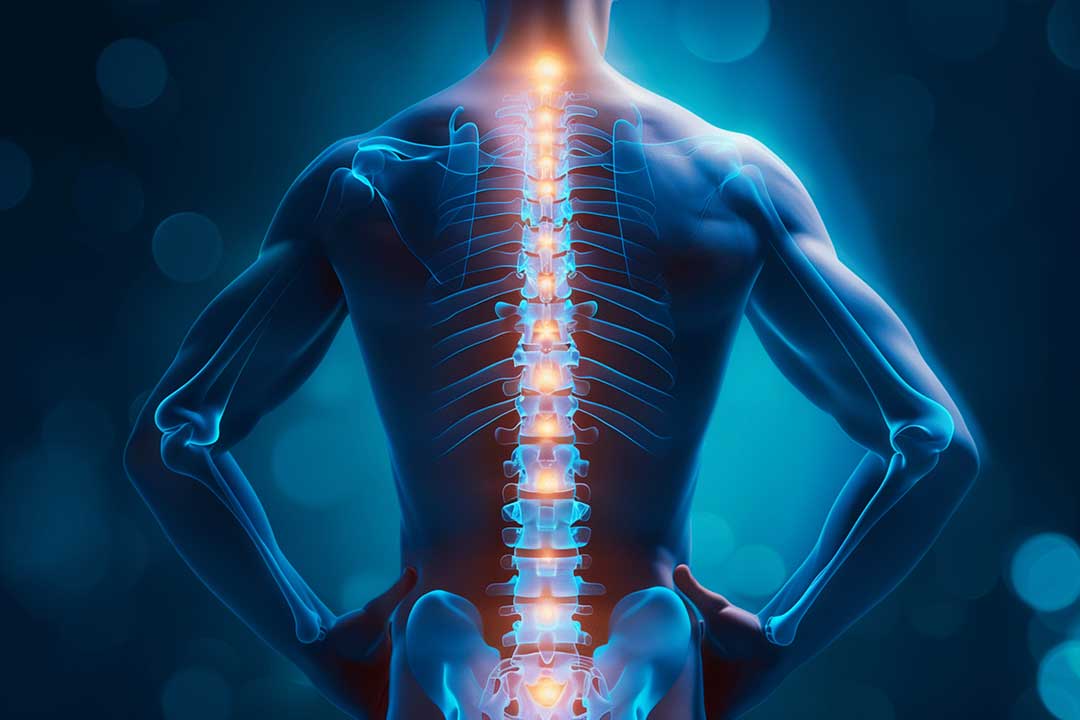
During icy or wet weather, slow down, avoid sudden turns, and use well-cleared walking routes. A fall can cause a more serious knee injury than the original soreness.
Do braces, sleeves, or supports help?
A soft knee sleeve may provide warmth, light compression, and a sense of support during everyday activity. It should not be tight enough to cause numbness, tingling, skin discoloration, or increased swelling.
A brace may be useful for certain injuries or alignment problems, but the correct design depends on the cause of pain. Wearing a brace continuously without understanding the problem may hide worsening symptoms or encourage overuse.
Supports work best as part of a broader plan that includes appropriate movement, strengthening, and activity modification.
When should knee pain be evaluated?
Seek prompt medical care after a fall, collision, or twisting injury if the knee is badly swollen, visibly deformed, unstable, or impossible to bear weight on. Urgent evaluation is also appropriate when the knee is hot and red with fever, or when calf swelling and shortness of breath occur.
Arrange an evaluation for pain that:
- Persists despite several days of sensible home care
- Repeatedly returns with normal activities
- Causes locking, catching, or frequent buckling
- Interferes with sleep or daily tasks
- Is accompanied by unexplained swelling or stiffness in multiple joints
A chiropractor, physical therapist, primary care clinician, or orthopedic specialist may assess movement, strength, joint stability, and the need for imaging. The right choice depends on the symptoms and suspected cause.
What is a realistic recovery plan?
A useful non-medication plan usually combines temporary activity changes with gradual strengthening. Keep a simple record of which activities increase symptoms, how long discomfort lasts, and whether swelling occurs. This information can help identify patterns and guide safer adjustments.
Knee pain that improves steadily with gentle movement and sensible load management is often compatible with continued self-care. Pain that progresses, changes character, or limits basic movement should not be ignored.
