
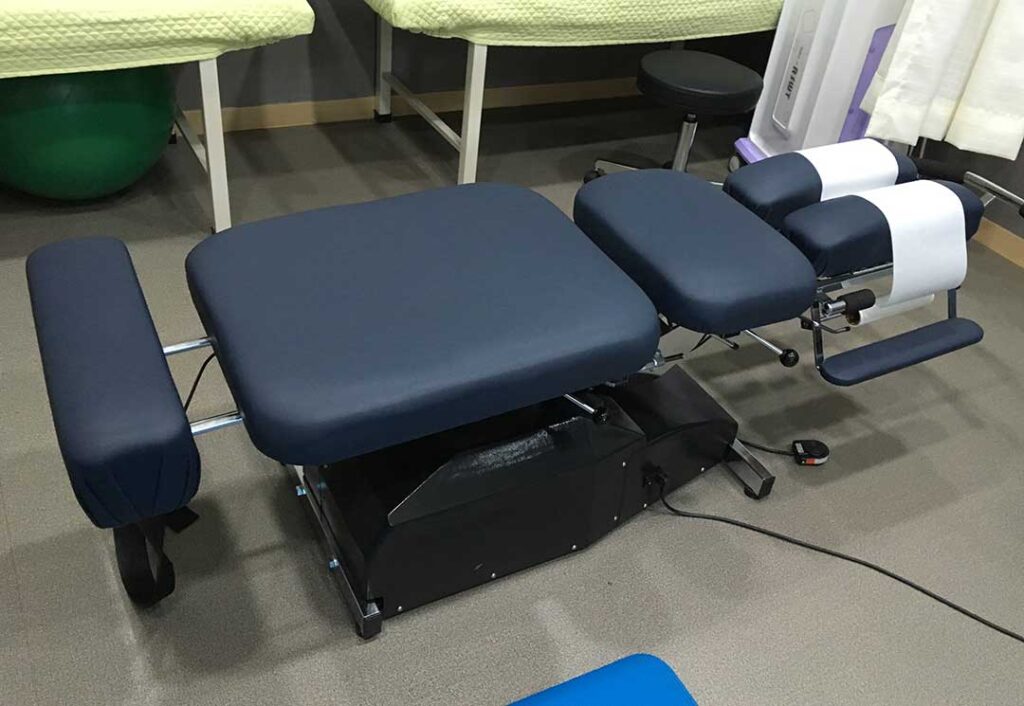
Pain is not always felt where it begins. A problem involving the spine, joints, muscles, nerves, or internal organs may produce discomfort somewhere else, a phenomenon known as referred pain. Understanding this pattern can help residents of Lynbrook, NY make better sense of symptoms and recognize when chiropractic care may be appropriate—or when medical evaluation is more urgent.
What is referred pain?
Referred pain is discomfort felt in an area that is different from the tissue or structure causing the problem. The brain receives pain signals from multiple regions through connected nerve pathways. Because those signals can overlap, the brain may identify the source incorrectly.
For example:
- Irritation in the neck may be felt in the shoulder, upper back, or arm.
- A problem in the mid-back may create discomfort around the ribs or chest wall.
- Irritation in the lower back may be felt in the buttock, hip, or upper thigh.
- A shoulder joint problem may cause pain along the upper arm.
Referred pain is different from pain that travels along a nerve. Sciatica, for example, may involve nerve irritation that produces shooting, burning, tingling, or numbness down the leg. Referred pain is often dull, aching, or difficult to pinpoint, although symptoms can vary.
How can someone tell whether pain is referred?
The location of pain alone usually cannot identify its cause. A careful evaluation considers the pain’s pattern, timing, triggers, and associated symptoms.
Referred pain is more likely when:
- The painful area feels sore or achy rather than electrically sharp.
- Movement of a nearby joint or part of the spine changes the symptoms.
- The pain is spread over a broad area instead of following a narrow line.
- There is tenderness or stiffness near the suspected source.
- The discomfort changes with posture, lifting, reaching, prolonged sitting, or repetitive activity.
A person working at a computer, commuting, carrying children, shoveling after a winter storm, or spending long periods seated in a compact home workspace may notice symptoms that appear far from the original strain. Seasonal changes can also affect activity levels. A sudden return to outdoor work, exercise, or household projects after a period of reduced movement may place extra stress on muscles and joints.
These patterns can offer useful clues, but they do not prove the diagnosis. Similar symptoms can come from different conditions.
What causes referred pain?
Muscles and joints are common sources, but referred pain can also involve nerves, discs, ligaments, and—in some cases—internal organs.
Musculoskeletal causes may include:
- Joint irritation or restricted movement
- Muscle strain or protective muscle spasm
- Disc-related inflammation
- Arthritis or age-related joint changes
- Repetitive lifting, twisting, or awkward posture
- A previous injury that altered movement patterns
Pain from internal organs may also be referred. For instance, certain heart, lung, abdominal, or urinary conditions can cause pain in the back, shoulder, chest, or jaw. This is one reason new, unexplained, or unusual pain should not automatically be assumed to be a spine or muscle problem.
How does chiropractic care address referred pain?
Chiropractic care begins with determining whether the symptoms appear consistent with a musculoskeletal problem and whether signs suggest another type of evaluation is needed. The process may include questions about the onset of pain, daily activities, injuries, sleep, medical history, numbness, weakness, and changes in bowel or bladder function. Movement, strength, reflexes, posture, and areas of tenderness may also be assessed.
When the likely source is mechanical or musculoskeletal, care may include:
- Spinal or joint mobilization
- Carefully selected manipulation
- Soft-tissue techniques
- Mobility exercises
- Strengthening for the trunk, hips, shoulders, or neck
- Advice about lifting, sitting, sleeping, and activity progression
The purpose is not simply to treat the area where pain is felt. A sound approach attempts to identify contributing factors and improve movement in a way that does not unnecessarily aggravate symptoms.
Spinal manipulation is one non-drug option used for some types of low back and neck pain. Evidence suggests that benefits are generally modest and may be most useful as part of a broader plan that includes movement and exercise. It is not appropriate for every person or every cause of referred pain.
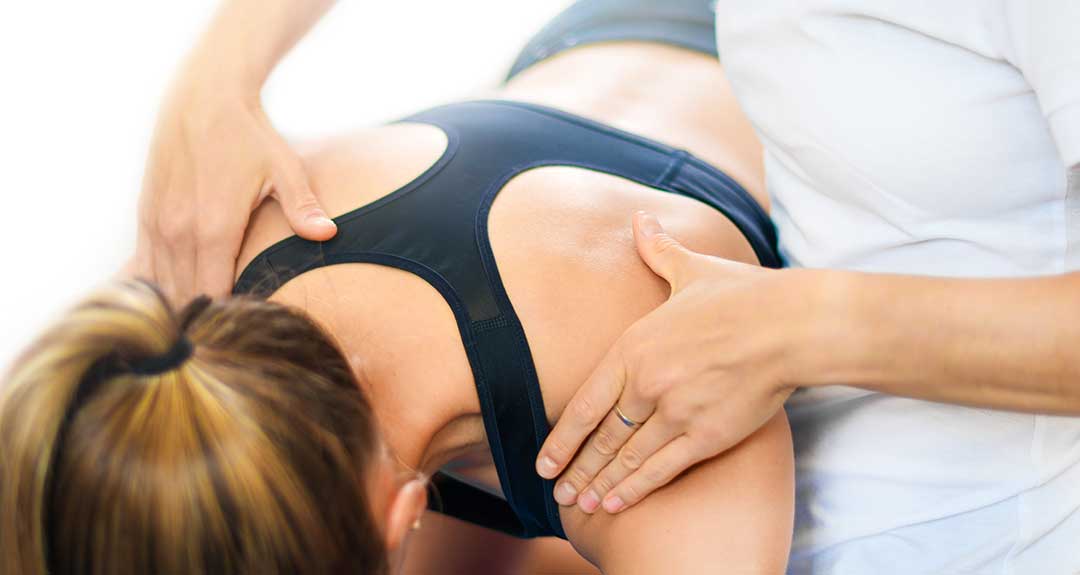
What should a person expect during an evaluation?
A useful evaluation should explain what is known, what remains uncertain, and what symptoms would require a different type of care. Imaging is not automatically necessary for every episode of back, neck, or joint pain. It may be considered when symptoms are persistent, severe, associated with neurological changes, linked to significant trauma, or suggestive of a more serious condition.
Residents should bring information about:
- When the pain began and whether it followed an injury
- Where the pain starts and where it spreads
- Activities that make it better or worse
- Numbness, tingling, weakness, dizziness, fever, or unexplained weight loss
- Previous surgeries, fractures, cancer, or major medical conditions
- Current medications and other treatments already tried
A practitioner should avoid claiming certainty based only on a pain location. Referred pain often requires clinical reasoning and, sometimes, coordination with a primary care clinician or other medical professional.
When is referred pain a warning sign?
Seek prompt medical evaluation for back, neck, shoulder, or chest-area pain accompanied by:
- New or worsening weakness
- Significant numbness or loss of coordination
- Loss of bladder or bowel control
- Numbness around the inner thighs or groin
- Fever, unexplained weight loss, or feeling seriously unwell
- Pain after a major fall, collision, or other trauma
- Severe pain that does not ease in any position
- Chest pressure, shortness of breath, sweating, nausea, or pain spreading to the jaw or arm
- New pain in someone with a history of cancer, serious infection, or immune suppression
Sudden neurological symptoms or possible heart-related symptoms require urgent medical attention rather than routine musculoskeletal care.
What can people do at home?
For uncomplicated pain without warning signs, prolonged bed rest usually is not helpful. Gentle movement, short walks, frequent changes in position, and gradual return to normal activity may support recovery. Heat can ease muscle stiffness for some people, while a cold pack may feel better after a recent strain. Neither should be applied directly to the skin or used long enough to cause irritation.
Avoid forcing stretches, repeatedly testing painful movements, or returning immediately to heavy lifting. During household work, keeping loads close to the body, pivoting instead of twisting, and dividing tasks into shorter periods can reduce strain.
Pain that is worsening, repeatedly returning, or continuing beyond several weeks deserves further assessment. The most useful goal is not merely to chase pain from one body region to another, but to understand the pattern, rule out concerning causes, and restore comfortable movement safely.
