
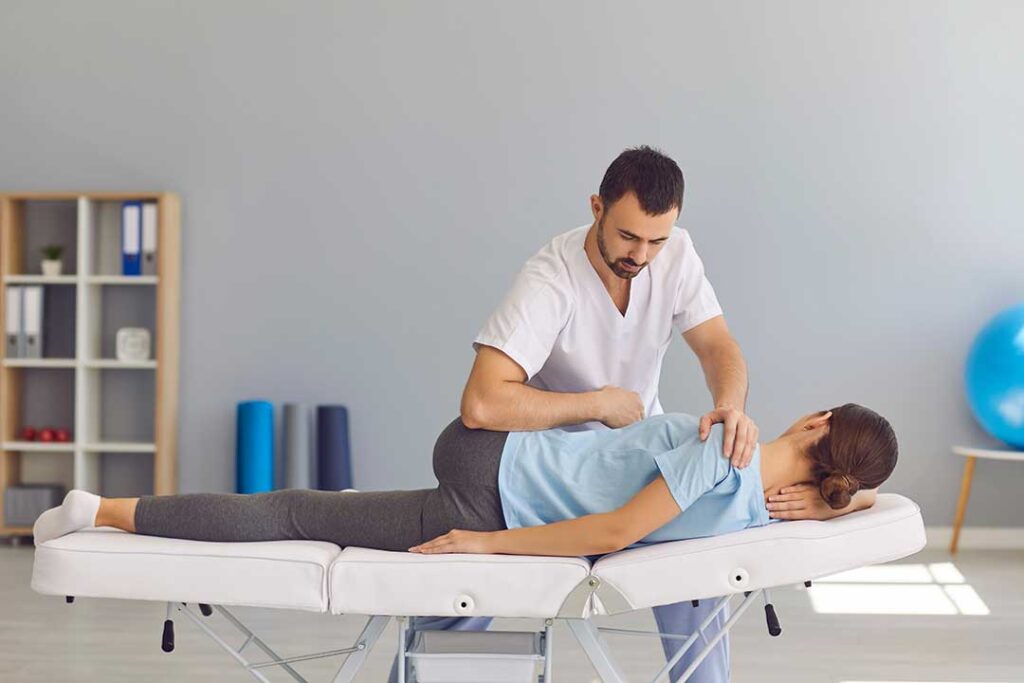
Anxiety can create both emotional and physical symptoms, including muscle tension, headaches, jaw clenching, shallow breathing, poor sleep, and persistent restlessness. Chiropractic care may help some people manage discomfort and stress-related muscle tension, but it should not be viewed as a primary treatment for an anxiety disorder.
For residents of Lynbrook, NY, the most accurate answer is that chiropractic care may serve as a complementary part of a broader plan. Evidence-based anxiety treatment usually involves psychotherapy, medication, or both, depending on the severity and type of symptoms.
Can chiropractic care directly treat anxiety?
No strong evidence shows that spinal adjustments or chiropractic treatment directly treat the underlying causes of anxiety disorders.
Chiropractic care generally focuses on the musculoskeletal system, especially the spine, joints, muscles, and movement patterns. It may be appropriate for conditions such as back pain, neck discomfort, or certain types of headaches. If those problems are contributing to poor sleep or constant physical tension, improving comfort may make it easier to cope with stress.
That is different from treating generalized anxiety disorder, panic disorder, social anxiety disorder, or trauma-related anxiety. These conditions involve emotional, behavioral, and physiological patterns that are usually addressed through mental health care, medical evaluation, or a combination of both.
How might it help someone who feels anxious?
The possible benefit is usually indirect. A person experiencing ongoing anxiety may hold tension in the shoulders, upper back, neck, or jaw. Sitting for long periods, working from home, commuting, or spending more time indoors during cold or stormy weather can add to that discomfort.
Addressing a related physical problem may help by:
- Reducing muscle soreness or stiffness
- Improving comfort during sleep
- Supporting normal movement and activity
- Making it easier to participate in exercise or daily routines
- Increasing awareness of posture, breathing, and physical tension
Some people also feel calmer after a structured, hands-on health visit. That response may reflect relaxation, attention to the body, or temporary relief from pain rather than a direct effect on the anxiety disorder itself.
A short-term sense of calm should not be interpreted as proof that an adjustment has corrected the cause of anxiety.
What does the research say?
Research on chiropractic treatment specifically for anxiety is limited. There is not enough high-quality evidence to consider chiropractic adjustments an established treatment for anxiety disorders.
Some studies of hands-on care, relaxation techniques, physical activity, and other complementary approaches suggest that certain people may experience short-term reductions in stress or anxiety symptoms. However, results vary, and findings from massage, exercise, mindfulness, or relaxation cannot automatically be applied to chiropractic adjustments.
The strongest evidence for persistent anxiety symptoms generally supports cognitive behavioral therapy and, when appropriate, medication prescribed by a qualified medical professional. These treatments directly address anxious thoughts, avoidance patterns, panic symptoms, sleep problems, and other features of anxiety.
Could pain and anxiety be connected?
Yes. Pain and anxiety often influence each other.
Persistent neck, back, shoulder, or headache symptoms can increase worry, irritability, and sleep disruption. Anxiety can also increase muscle tension, heighten sensitivity to discomfort, and make ordinary sensations feel more threatening. This can create a cycle in which pain makes anxiety worse and anxiety makes pain harder to manage.
For example, a resident dealing with neck pain after long hours at a desk may sleep poorly and become more concerned about the symptoms. If the pain improves through appropriate care, anxiety may become easier to manage. That does not necessarily mean the physical treatment has cured the anxiety; it may mean one contributing stressor has been reduced.
Is chiropractic care safe for people with anxiety?
Many people tolerate chiropractic care without serious problems, but treatment is not risk-free. Temporary soreness, stiffness, or increased discomfort can occur after some forms of manual therapy.
A complete health history matters. Certain medical conditions, medications, recent injuries, osteoporosis, bleeding disorders, neurological symptoms, or unexplained severe pain may affect whether a particular technique is appropriate.
Anxiety can also make a person especially alert to bodily sensations. A clear explanation of what will happen, permission to pause, and avoidance of techniques that feel frightening or uncomfortable are reasonable parts of informed care. No treatment should be presented as guaranteed to resolve anxiety.
New weakness, numbness, loss of coordination, fainting, severe headache, trouble speaking, chest pain, or sudden changes in vision require prompt medical attention rather than routine musculoskeletal care.
What should be used alongside chiropractic care?
A broader plan is usually more helpful than relying on one type of treatment. Depending on the situation, useful components may include:
- Cognitive behavioral therapy or another structured form of psychotherapy
- Medical evaluation when symptoms are persistent, severe, or associated with other health concerns
- Regular walking, stretching, or other suitable physical activity
- Consistent sleep and meal schedules
- Breathing exercises or guided relaxation
- Reducing caffeine, nicotine, alcohol, and other substances that can intensify anxious feelings
- Practical strategies for managing work, household, caregiving, or transportation-related stress

The seasonal rhythm of life in the area can affect these habits. Shorter winter days, indoor routines, summer heat, and disruptions caused by heavy rain or snow may reduce activity and disturb sleep. Maintaining safe movement indoors or outdoors, as conditions allow, can support general physical and emotional health.
When is anxiety more than ordinary stress?
Occasional worry is a normal response to difficult events. Anxiety deserves closer attention when it is persistent, difficult to control, or interfering with sleep, work, school, relationships, driving, errands, or routine responsibilities.
Symptoms that may justify a medical or mental health evaluation include:
- Repeated panic attacks
- Avoidance of normal activities
- Constant fear about health or safety
- Significant insomnia
- Frequent stomach upset, racing heart, or shortness of breath without a clear explanation
- Increased use of alcohol, sedatives, or other substances to cope
- Feelings of hopelessness or thoughts of self-harm
Chest pain, severe shortness of breath, fainting, or sudden neurological symptoms should be treated as possible medical emergencies, even when anxiety seems likely.
What is the practical takeaway?
Chiropractic care may help a person feel better when anxiety is accompanied by muscle tension, neck or back discomfort, headaches, or reduced physical activity. Its role is best understood as supportive and symptom-focused, not as a replacement for therapy or medical treatment for an anxiety disorder.
A balanced approach separates two questions: what may be causing the anxiety, and what physical symptoms are making it harder to cope. Addressing both, with appropriate care for each, offers a more realistic and safer path than expecting spinal treatment alone to resolve persistent anxiety.
