
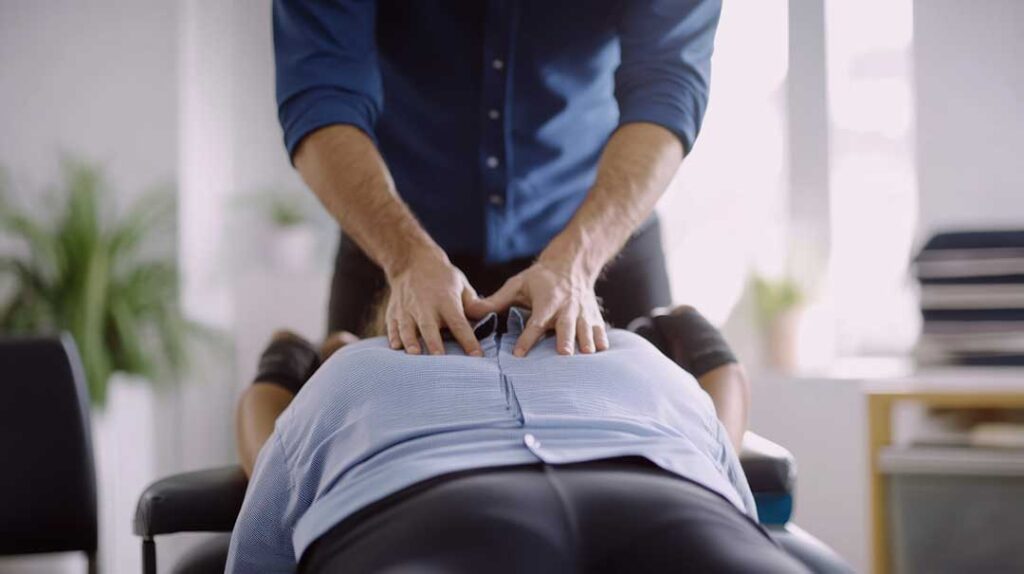
Lifting is part of ordinary life for residents of Lynbrook, NY. A person may move a laundry basket, carry groceries up stairs, handle a storage bin, clear storm debris, or lift a child. Most lifting injuries do not come from one dramatic mistake alone. They often result from a combination of awkward posture, twisting, poor footing, fatigue, repetitive effort, or a load that is too heavy to manage safely.
Good lifting technique reduces strain, but technique is only one part of prevention. The weight, distance, frequency, floor surface, available space, and condition of the person doing the lifting also matter.
What is the safest way to lift something from the floor?
The safest approach is to plan the movement first, keep the object close, and raise it with the legs and hips while maintaining a comfortable, stable spine position.
Before lifting:
- Check the object’s weight, balance, handles, and contents.
- Clear the route to the destination.
- Make sure shoes provide stable footing, especially on wet entryways, icy walkways, or uneven outdoor surfaces.
- Decide whether the load can be divided into smaller portions.
- Position the destination before picking up the object.
Stand close to the load with the feet about shoulder-width apart. Bend at the hips and knees rather than folding sharply through the lower back. Keep the chest facing generally toward the object, grip it securely, and rise smoothly. The back does not need to be perfectly straight or rigid; a neutral, comfortable position is more useful than forcing an exaggerated posture.
Should the back stay completely straight while lifting?
No. A rigidly straight back is not required, and trying to maintain one can make movement awkward. The goal is to avoid extreme rounding, excessive arching, and sudden twisting while the spine is under load.
A safer lifting position usually includes:
- A stable stance
- Slight bending at the hips and knees
- The load held near the body
- Shoulders and hips facing the same general direction
- Smooth, controlled movement rather than a sudden jerk
The spine is placed under greater demand when an object is held far away from the body. Even a moderately heavy item can feel much heavier when the arms are extended. Keeping the load close reduces the lever effect on the lower back and makes balance easier.
Why is twisting while lifting risky?
Twisting while carrying or raising an object combines rotation with force. That combination can increase stress on the muscles, joints, and supporting tissues of the back.
Instead of twisting the torso:
1. Lift the object close to the body.
2. Turn by moving the feet.
3. Keep the hips, shoulders, and feet pointed in the same direction.
4. Set the object down before changing direction if the route is tight or visibility is limited.
This matters during common household tasks such as placing boxes on shelves, moving furniture through a doorway, loading a vehicle, or carrying bags from the curb. A clear path allows the entire body to turn together.
How heavy is too heavy to lift alone?
There is no single weight limit that is safe for every person or situation. A load’s risk depends on more than pounds. Height, reach distance, shape, grip, repetition, speed, balance, and the person’s physical condition all affect the task.
A load deserves extra caution if it:
- Blocks the view of the walking path
- Has shifting contents
- Has no secure handholds
- Must be lifted above shoulder height
- Requires reaching, bending, or twisting
- Feels difficult during a test lift
- Must be carried a long distance
- Is being lifted repeatedly without adequate breaks
If an object is bulky, unstable, or difficult to control, reducing the load may be safer than simply trying to use better form. Two people can help with a large item, but coordination matters. Agree on a command such as “lift,” “walk,” and “lower,” and make sure both people can see the path.
What should residents consider during seasonal outdoor tasks?
Outdoor lifting conditions change throughout the year. Wet leaves, rainwater, snow, ice, and mud can make footing unreliable. During warmer months, yard waste, soil, outdoor furniture, and filled containers may be heavier than expected because of moisture.
Before carrying an item outdoors:
- Test the surface with your foot.
- Wear footwear with adequate traction.
- Avoid carrying loads that block the view of steps or uneven ground.
- Break down branches, bags, or debris into manageable amounts.
- Use a cart or other appropriate handling aid when repeated carrying is involved.
- Take rest periods before fatigue changes your posture or grip.
Fatigue is not merely uncomfortable. It can reduce coordination and make sudden movements more likely. The last lift of a long task may be riskier than the first.
Is lifting with the knees enough to protect the spine?
No. “Lift with your knees” is useful but incomplete advice. Squatting deeply for every object may place unnecessary stress on the knees, especially when the item is light or close to the ground. The better principle is to use the hips and knees together, keep the item close, and avoid rounding or twisting under load.
For a light object, a hip hinge may be appropriate: move the hips backward, keep the object close, and return to standing without jerking. For a heavier or lower object, more knee bend may be helpful. The safest movement depends on the object and the person’s mobility.
How can repetitive lifting be made safer?
Repeated lifting can cause problems even when each individual item seems manageable. Alternate tasks when possible, vary working positions, and avoid holding a load longer than necessary.
Helpful adjustments include:
- Store frequently used items between about knee and shoulder height.
- Divide large quantities into smaller containers.
- Place boxes or baskets on a raised surface before moving them.
- Push rather than pull when the surface and object allow it.
- Keep frequently handled items close to the body.
- Pause briefly before muscles become exhausted.
- Use both hands for balanced loads.
Workplaces may need a more detailed ergonomic review when lifting is frequent, fast, or performed from awkward positions. Formal lifting assessments consider the object’s weight, horizontal reach, vertical starting point, travel distance, frequency, and twisting.
What should someone do if pain starts during a lift?
Stop the movement rather than trying to “push through” sharp, escalating, or unfamiliar pain. Set the object down safely, change position, and avoid repeating the same lift until the symptoms are understood.
Urgent medical evaluation is appropriate for back pain accompanied by new weakness, significant numbness, loss of bladder or bowel control, numbness around the groin or inner thighs, severe trauma, fever, or rapidly worsening symptoms. Persistent pain, pain that travels down an arm or leg, or symptoms that interfere with normal activity also warrant medical assessment.
A lifting belt should not be treated as a substitute for reducing the load, improving the task setup, or using safer movement habits. Prevention is usually more effective when the task itself is made easier and more controllable.
Safe lifting is less about displaying strength and more about managing the task. Plan the route, test the load, keep it close, move the feet instead of twisting, and stop before fatigue or pain changes the way the body moves.
