

Mobility is the ability to move a joint or body region comfortably through the range needed for daily life. For residents of Lynbrook, NY, improving mobility may mean walking more comfortably, turning the neck while driving, climbing stairs, getting up from a chair, or reaching overhead without stiffness.
Mobility concerns are often influenced by several factors at once, including muscle weakness, prolonged sitting, past injuries, joint changes, sleep habits, stress, and reduced activity during cold or wet weather. Natural strategies can help many people move more freely, but they work best when applied gradually and adjusted to individual needs.
What are natural ways to improve mobility?
The most reliable approach combines regular movement, gentle mobility exercises, strength training, balance work, and habits that reduce prolonged inactivity. Mobility tends to improve through consistent practice rather than occasional intense stretching.
Useful daily strategies include:
- Taking short walking or movement breaks during long periods of sitting
- Moving joints gently through comfortable ranges of motion
- Strengthening the muscles that support the hips, knees, spine, and shoulders
- Practicing balance exercises near a stable surface
- Using heat before movement when stiffness is the main concern
- Allowing adequate recovery after unfamiliar activity
A helpful goal is not to force a joint farther than it naturally wants to go. The aim is controlled, comfortable movement that gradually becomes easier.
Is stretching enough to improve mobility?
Stretching can help, but it is not the complete solution. Flexibility describes how far a muscle or joint can move, while mobility also involves strength, coordination, balance, and the ability to control movement.
For example, a person may be able to stretch the hamstrings but still have difficulty bending safely if the hips, trunk, or legs are weak. Similarly, shoulder stretching may not resolve limited overhead movement if the upper back is stiff or the shoulder muscles are not coordinating well.
A balanced routine may include:
- Gentle dynamic movements before activity, such as marching in place or controlled arm circles
- Short, comfortable static stretches after activity
- Strength exercises using body weight, resistance bands, or light weights
- Slow movements that improve control, such as sit-to-stand practice
- Breathing that avoids holding the breath during effort
Stretching should create mild tension, not sharp pain, numbness, or a strong pulling sensation that continues after the exercise.
How can walking support better movement?
Walking is a practical form of mobility training because it uses the feet, ankles, knees, hips, spine, and arms together. It also helps maintain endurance, which can make everyday movement feel less demanding.
People who are currently inactive can begin with several brief walks rather than one long session. Walking indoors may be useful during icy conditions, heavy rain, or periods when sidewalks are difficult to navigate. Supportive footwear and a clear walking path can reduce avoidable risks.
To make walking more beneficial:
- Start at an easy pace for the first few minutes
- Keep steps comfortable rather than trying to lengthen them immediately
- Let the arms move naturally
- Look ahead instead of constantly looking down
- Increase duration gradually
- Stop if pain changes the way the body moves
A mild feeling of effort is expected. Increasing pain, repeated limping, or new weakness is a reason to pause and reassess.
Which mobility exercises are useful at home?
Home exercises should match current ability and be performed near a countertop, sturdy chair, or wall when balance is uncertain. The following movements are commonly useful when performed slowly and within a comfortable range:
Sit-to-stand: Sit near the front of a stable chair, place the feet beneath the knees, and rise without using momentum. Lower back down with control. This trains the hips and legs for daily activities.
Heel raises: Hold a stable surface and slowly lift the heels, then lower them. This supports ankle strength and balance.
Ankle movements: While seated or standing, move the ankles up and down and make gentle circles. These exercises may be helpful after long periods of sitting.
Wall-supported shoulder slides: With the back or forearms near a wall, slowly raise the arms only as far as comfortable. Avoid forcing the shoulders overhead.
Gentle trunk rotation: Sit upright with the feet supported and turn the upper body slightly from side to side. The movement should come from the trunk rather than from twisting forcefully through the lower back.
Two or three controlled repetitions may be enough when beginning. The number can increase gradually if the movement remains comfortable during and after exercise.
How do daily habits affect stiffness?
Mobility is affected by what happens between exercise sessions. Sitting in one position for hours can make the hips, knees, upper back, and neck feel stiff even when no serious problem is present.
At home, frequently used items can be placed at waist or chest level to reduce repeated bending and reaching. During desk work, changing position regularly may be more useful than trying to maintain one “perfect” posture all day. A brief walk, a few shoulder movements, or several controlled sit-to-stands can interrupt long sedentary periods.
Household tasks can also become mobility practice. Carrying light objects, climbing stairs carefully, gardening, and preparing meals all involve movement. The key is to vary activities and avoid suddenly doing far more than the body is accustomed to.
Cold weather may make muscles and joints feel stiffer, especially first thing in the morning. Extra layers, a gradual warm-up, and indoor movement before going outside can make activity more comfortable. Slippery surfaces should be treated as a safety issue rather than a challenge to balance.
Can chiropractic care be part of a mobility plan?
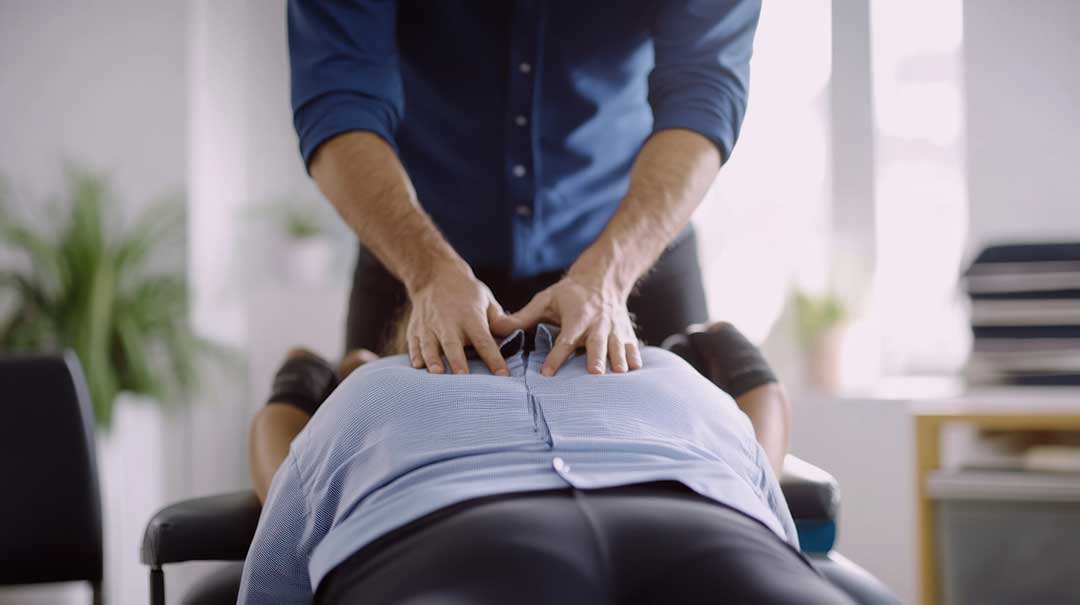
Chiropractic care may be used as one component of a broader mobility plan, particularly when joint or spinal stiffness affects movement. Hands-on techniques and movement guidance can sometimes help a person move more comfortably, but lasting improvement usually depends on active habits outside any treatment setting.
A mobility plan should consider the person’s symptoms, health history, strength, balance, work demands, and activity goals. Passive treatment alone is unlikely to address every factor affecting movement. Exercise, walking, sleep, and gradual exposure to normal activities remain important parts of maintaining progress.
People with significant pain, recent trauma, unexplained symptoms, or complex medical conditions may need an appropriate clinical evaluation before starting a new exercise routine.
When should limited mobility be medically evaluated?
Some symptoms require more than a self-directed mobility program. Prompt medical attention is appropriate for sudden weakness, loss of coordination, severe swelling, a visibly deformed joint, inability to bear weight, or symptoms following a major fall or collision.
Evaluation is also warranted when mobility problems are progressively worsening, repeatedly causing falls, associated with fever or unexplained weight loss, or accompanied by loss of bladder or bowel control. Numbness that spreads, severe nighttime pain, or pain that does not improve with reasonable activity changes should not be ignored.
For less urgent concerns, keeping a brief record can be useful. Note what movements are difficult, when symptoms appear, whether activity improves or worsens them, and whether sleep or daily routines are affected. This information can help guide safer decisions about the next step.
Improving mobility does not require extreme stretching or complicated equipment. Regular, controlled movement; appropriate strengthening; attention to walking and balance; and respect for warning signs provide a practical foundation for staying active in the community.
