
High heels can affect more than the feet. By changing how the body distributes weight, they may increase strain through the ankles, knees, hips, pelvis, and lower back—especially when worn for long periods or while walking over uneven surfaces.
How can high heels contribute to back pain?
High heels raise the heel above the forefoot, shifting the body’s weight forward. To remain balanced, many people adjust their posture by changing the position of the pelvis, lower spine, knees, and upper body.
These adjustments may lead to:
- Increased pressure on the balls of the feet
- Tight calf muscles and the Achilles tendon
- Reduced ankle movement
- Greater muscle activity in the lower back
- More stress on the hips and knees
- A shorter, less stable stride
The effect is not identical for everyone. Some people may notice immediate foot or calf discomfort, while others develop lower back soreness after several hours. Existing issues such as arthritis, limited ankle flexibility, flat feet, high arches, or previous injuries may make symptoms more likely.
Do high heels permanently damage the spine?
Occasional use does not automatically cause permanent spinal damage. The greater concern is repeated exposure to altered posture, prolonged standing, and reduced stability.
Back discomfort associated with high heels often reflects muscle fatigue or strain rather than a serious spinal injury. However, frequent pain should not be dismissed simply because it follows a predictable pattern. Persistent symptoms may involve more than footwear, including a hip problem, nerve irritation, joint inflammation, or a separate back condition.
A useful distinction is whether discomfort improves after changing shoes and resting. If pain continues even when wearing supportive, comfortable footwear, the shoes may be contributing to the problem without being the only cause.
Why do heels feel worse after walking or standing?
High heels require the calf muscles to remain in a shortened position. Over time, this can make the calves feel tight and limit the ankle’s ability to move normally.
Standing for a long period adds another challenge. The muscles of the feet, legs, hips, and back must work continuously to maintain balance. This may be especially noticeable during work events, celebrations, or commuting situations that involve a combination of walking, standing, stairs, and hard pavement.
In a densely settled community such as Lynbrook, NY, daily routines may include walking to nearby destinations, using public transportation, or moving between homes, sidewalks, and workplaces. A shoe that feels manageable indoors may become uncomfortable when it is worn across several blocks or on uneven sidewalk sections.
Are certain high heels harder on the back than others?
Heel height matters, but it is not the only factor. A narrow, unstable heel can create more difficulty than a lower, wider heel because it reduces the body’s base of support.
Shoes may be more demanding when they have:
- A very high heel
- A narrow or pointed toe box
- A thin heel that is difficult to balance on
- A rigid sole that limits normal foot movement
- Poor fit around the heel
- Little cushioning
- No secure strap or support
A wider heel may provide better stability, but it does not eliminate the posture changes caused by elevation. Platform shoes can also be misleading because the height difference between the heel and the forefoot is what matters most.
Can changing shoes reduce back strain?
Often, yes. Lowering the heel and improving stability can reduce the amount of compensation required from the legs and lower back.
Practical changes include:
- Choosing a low, broad heel for longer periods of standing
- Selecting shoes with enough room for the toes to spread naturally
- Using a secure strap when additional stability is needed
- Avoiding shoes that force the toes into a pointed position
- Carrying comfortable walking shoes for travel or commuting
- Changing out of heels during breaks when possible
- Avoiding prolonged standing in one position
Shoes should feel reasonably comfortable when first worn. Footwear that causes numbness, pinching, burning, or significant pressure is not becoming safer simply because the feet eventually adjust.
What can help if high heels have already caused soreness?
Start by reducing the activity that aggravates the symptoms. Switching to supportive shoes, taking short walking breaks, and gently moving the ankles and calves may help relieve stiffness.
Gentle calf stretching can be useful, but stretching should not produce sharp pain, tingling, or worsening symptoms. Light movement is generally preferable to remaining completely still, provided it does not increase discomfort.
A simple routine may include:
- Slow ankle circles
- Gentle calf stretches with the heel supported
- Short walks in comfortable shoes
- Rest periods after prolonged standing
- Cool or warm applications based on which feels more soothing
Pain medication may not be appropriate for everyone, particularly for people with kidney disease, stomach ulcers, blood-thinning medication use, or other health conditions. Medication decisions should be based on individual medical guidance.
When is back pain a reason to seek medical evaluation?
Back pain after wearing heels is usually not an emergency, but certain symptoms need prompt attention. Medical evaluation is appropriate when pain is severe, keeps returning, or does not improve after changing footwear and reducing aggravating activity.
Seek urgent care for back pain accompanied by:
- New weakness in a leg
- Loss of bladder or bowel control
- Numbness around the inner thighs or groin
- Fever or unexplained illness
- Major swelling or deformity after a fall
- Severe pain after a collision or other injury
Foot and ankle symptoms also deserve attention when there is an inability to bear weight, significant swelling, repeated ankle rolling, or persistent numbness.
Is chiropractic care appropriate for heel-related back discomfort?
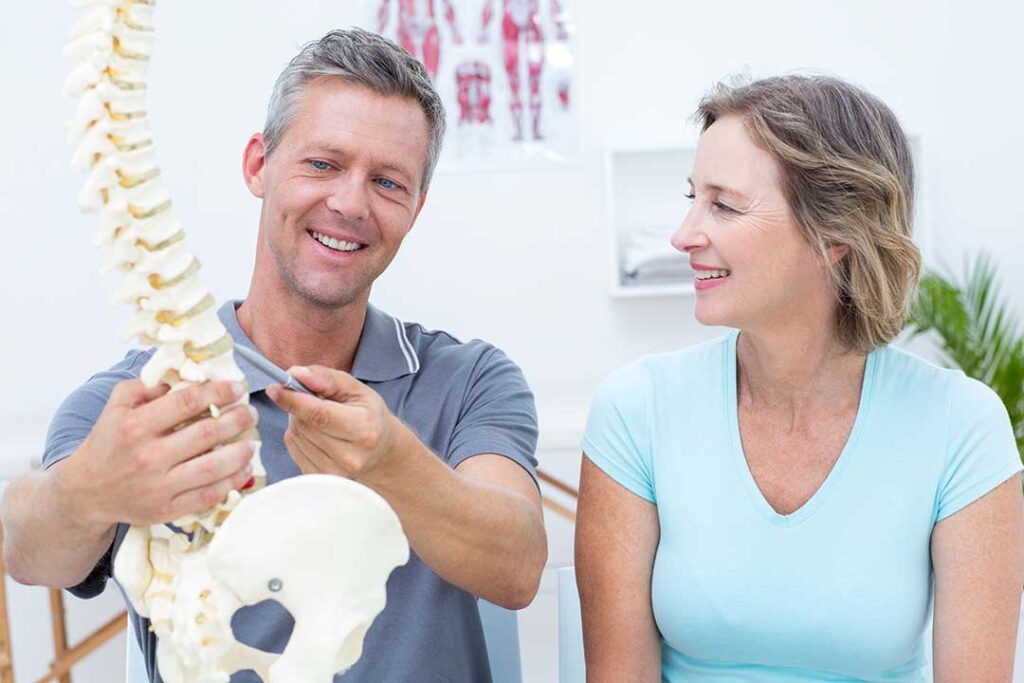
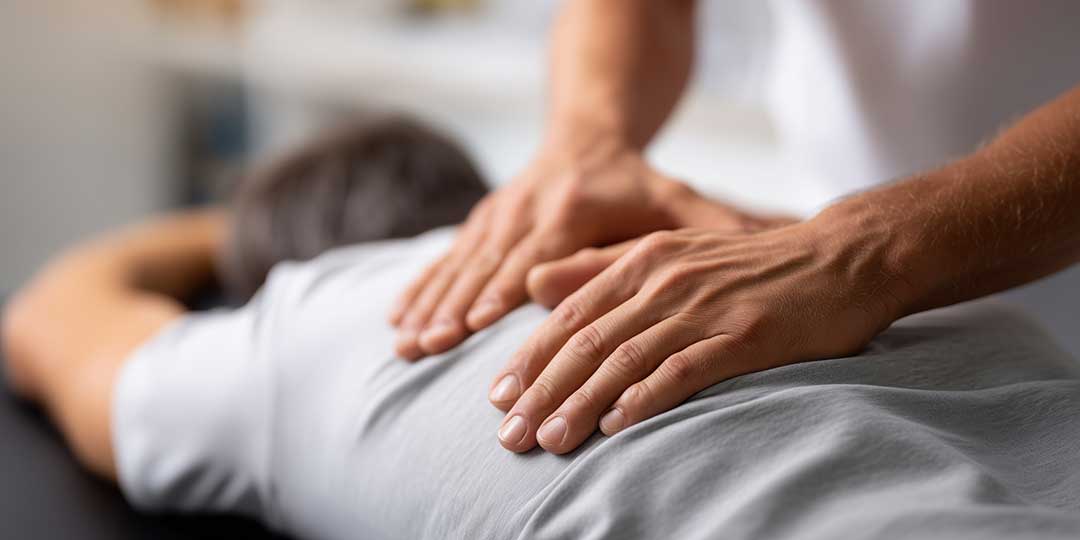
A chiropractor may assess movement in the spine, pelvis, hips, and lower limbs when back symptoms appear connected to posture or movement. The evaluation should also consider footwear, work demands, walking habits, prior injuries, and symptoms that may require another type of medical assessment.
No single adjustment, stretch, insert, or shoe works for every person. The most useful approach is usually a broader review of contributing factors, followed by gradual changes that match the individual’s symptoms and physical abilities.
High heels do not need to be treated as an all-or-nothing choice. Reducing heel height, improving shoe stability, alternating footwear, and limiting long periods of standing can lower strain while preserving the option to wear dress shoes for shorter occasions.
