

Chiropractic care and physical therapy both address pain, movement, and function, but they do so in different ways. Chiropractic treatment often emphasizes hands-on care for joints and the spine, while physical therapy focuses heavily on restoring strength, mobility, balance, coordination, and confidence with movement.
For many people, the two approaches are not competing choices. Depending on the condition, they may be used separately or as complementary parts of a broader plan.
What is the main difference between chiropractic care and physical therapy?
Chiropractic care commonly uses manual techniques to assess and treat joint and spinal movement. Physical therapy uses exercise, movement training, education, and other rehabilitation methods to improve how the body functions over time.
A chiropractic visit may include:
- A health history and musculoskeletal examination
- Joint mobilization or spinal manipulation
- Soft-tissue techniques
- Guidance about posture, activity, or home care
- Recommendations to seek medical evaluation when symptoms suggest a condition outside the scope of chiropractic treatment
Physical therapy may include:
- Testing strength, flexibility, balance, walking, and movement patterns
- Therapeutic exercises
- Stretching and mobility work
- Training for lifting, reaching, walking, or returning to sports
- Balance and fall-prevention exercises
- Education about pacing, body mechanics, and self-management
The distinction is not absolute. Some chiropractors prescribe exercises, and some physical therapists use manual therapy. The most useful question is not which profession is universally better, but which type of care fits the person’s diagnosis, goals, risks, and stage of recovery.
Can chiropractic care and physical therapy be used together?
Yes, in some cases they can be combined, especially when pain and restricted movement occur alongside weakness, poor coordination, or difficulty returning to normal activities.
For example, a person with low-back pain may receive hands-on treatment aimed at temporarily reducing stiffness, followed by a progressive exercise program designed to improve hip strength, trunk control, and tolerance for sitting or lifting. The exercise component is often essential because symptom relief alone does not necessarily restore physical capacity.
Another example is a person recovering from a minor joint or muscle injury. Manual care may help make movement more comfortable, while rehabilitation exercises address the underlying loss of strength or flexibility.
Combined care should be coordinated rather than repetitive. If two providers are involved, each should understand the working diagnosis, current symptoms, medications, imaging results when relevant, and the other provider’s treatment plan.
Which conditions may involve both approaches?
The combination is most often considered for musculoskeletal problems that affect movement but do not require urgent medical treatment. Examples can include:
- Nonspecific low-back pain
- Neck or upper-back discomfort
- Some types of shoulder stiffness
- Hip or knee pain related to movement patterns
- Work-related strains
- Activity-related aches after a change in exercise
- Recovery after a period of reduced activity
Not every condition is appropriate for spinal manipulation or vigorous exercise. A recent fracture, infection, serious nerve problem, inflammatory disease, advanced osteoporosis, or significant trauma may require medical assessment before manual treatment or rehabilitation begins.
Pain that travels with increasing weakness, major loss of coordination, new bowel or bladder problems, unexplained fever, sudden severe headache, or unexplained weight loss warrants prompt medical attention rather than routine musculoskeletal care.
Is one approach better for back or neck pain?
Neither treatment is automatically best for every person. For uncomplicated low-back pain, both manual therapy and exercise-based rehabilitation may have a role, particularly when selected after an examination and combined with advice to remain appropriately active.
Physical therapy may be especially useful when the main problems include:
- Weakness or deconditioning
- Difficulty walking, climbing stairs, or lifting
- Balance concerns
- Recovery after surgery or injury
- Repeated episodes linked to poor endurance or movement habits
- The need to return gradually to work, recreation, or household activities
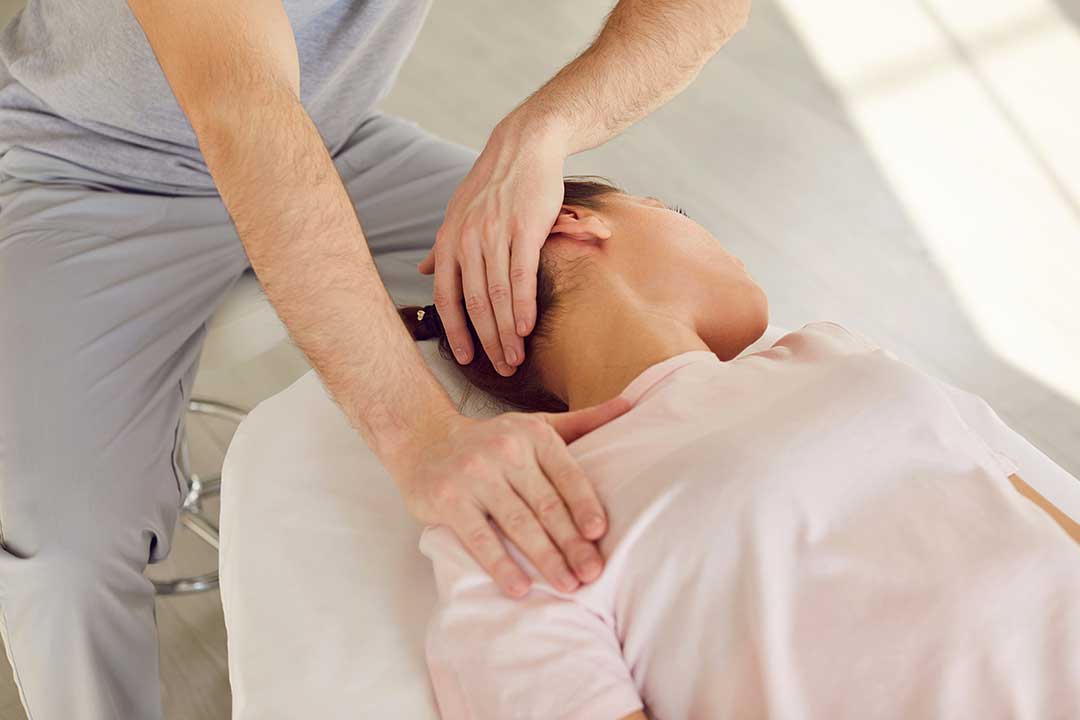
Chiropractic care may be considered when joint stiffness, restricted spinal movement, or a preference for hands-on treatment is a prominent concern. Manual treatment is not risk-free, and temporary soreness, stiffness, or increased discomfort can occur. Neck manipulation deserves particular caution because rare but serious complications have been reported. A complete health history and clear discussion of risks are appropriate before treatment.
What should a patient expect from an evaluation?
A sound evaluation should look beyond the painful area. The clinician may ask when symptoms began, what activities worsen them, whether there was an injury, and how the problem affects sleep, work, driving, childcare, or exercise.
The examination may include:
- Range of motion
- Muscle strength
- Reflexes and sensation
- Balance and coordination
- Walking or lifting mechanics
- Joint movement
- Signs that suggest referral for medical testing
A useful plan should explain the working diagnosis, expected short-term goals, home activities, warning signs, and how progress will be measured. Improvement may involve better walking tolerance, easier stair use, improved sleep, less reliance on pain medication, or greater ability to perform daily tasks—not only a lower pain score.
How does local life affect recovery in Lynbrook, NY?
Residents in Lynbrook, NY may face practical factors that influence symptoms and recovery. Older homes can involve narrow stairways, basement steps, uneven flooring, or repeated lifting and carrying. Seasonal snow and ice can increase the risk of slips, while winter clothing and reduced outdoor activity may affect balance and conditioning.
Daily commuting, prolonged sitting, household responsibilities, and caring for children or older relatives can also make complete rest unrealistic. A useful rehabilitation plan should account for these demands. It may focus on safe stair use, lifting laundry or groceries, getting in and out of a car, standing for household chores, or returning gradually to walking outdoors.
The goal is usually not to avoid all movement. It is to identify which movements are safe, which need modification, and how to build tolerance without repeatedly provoking symptoms.
How can someone decide which type of care is appropriate?
Start with the main functional problem rather than the treatment label. Someone primarily seeking help with mobility, strength, balance, or a gradual return to activity may benefit from a rehabilitation-centered evaluation. Someone with a movement-related problem who prefers hands-on care may consider chiropractic assessment, provided there are no warning signs or medical reasons to avoid it.
Questions worth asking include:
- What is the likely cause of the symptoms?
- What findings support the proposed treatment?
- What are the alternatives?
- What should improve, and over what general time frame?
- What can be done at home?
- What symptoms would require medical evaluation?
- How will treatment change if progress stalls?
Care should be adjusted when symptoms worsen, new neurological symptoms appear, or the expected improvement does not occur. A coordinated plan that combines appropriate manual care, exercise, activity changes, and medical oversight when needed is often more useful than relying on any single technique.
