
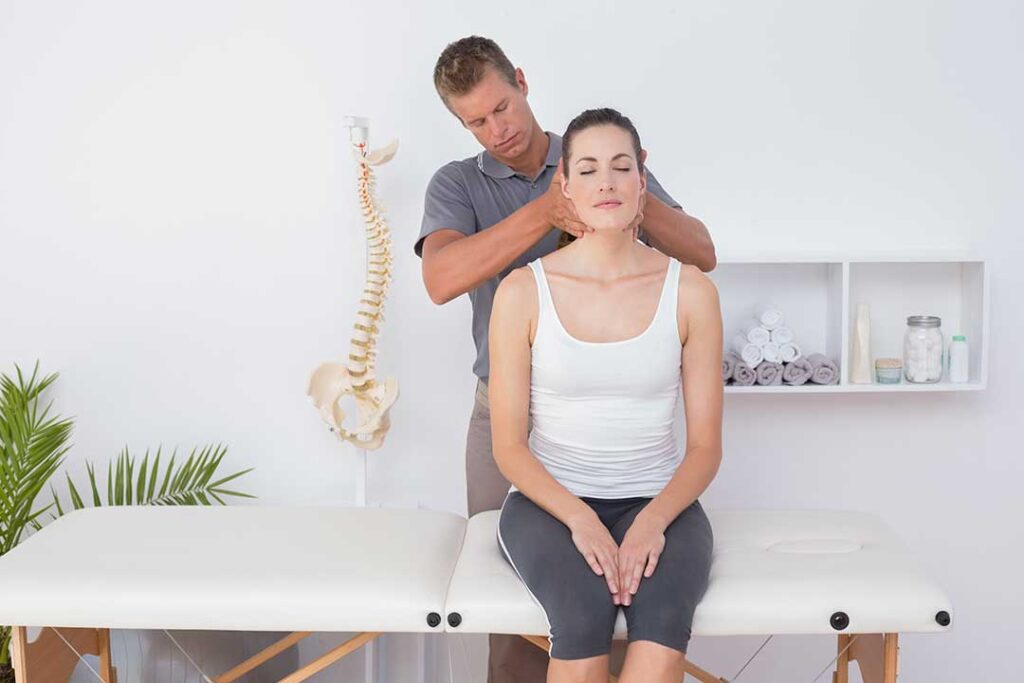
Regular sports participation can improve strength, coordination, cardiovascular health, and overall well-being. It can also place repeated demands on the spine, joints, muscles, tendons, and nervous system. Chiropractic care may support injury prevention as part of a broader plan that includes conditioning, recovery, sound technique, protective equipment, and appropriate medical evaluation.
Chiropractic should not be viewed as a guarantee against injury. Its most useful role is often helping athletes understand movement problems, address musculoskeletal discomfort early, and maintain physical function while reducing avoidable stress on the body.
Can chiropractic care prevent sports injuries?
Chiropractic care may help reduce some risk factors associated with sports injuries, but evidence does not support the idea that spinal adjustments alone prevent all injuries. Injury prevention depends on several interacting factors, including training load, muscle strength, flexibility, balance, sleep, hydration, equipment, playing conditions, and recovery time.
A chiropractor may evaluate how the spine and extremity joints move, whether certain muscles are working harder than others, and whether pain or stiffness is changing an athlete’s movement patterns. This information can be useful for recreational runners, youth athletes, adults returning to exercise, and people involved in field, court, cycling, swimming, or strength-training activities.
The goal is not simply to “put something back in place.” A careful evaluation should connect symptoms and movement limitations with practical changes such as mobility work, strengthening, warm-up adjustments, or temporary activity modification.
What does a sports-focused chiropractic evaluation involve?
An evaluation commonly begins with questions about the sport, training schedule, previous injuries, current symptoms, footwear or equipment, and recent changes in activity. The physical assessment may include posture, walking or running mechanics, joint range of motion, strength, balance, and basic movement patterns.
For example, an athlete who develops recurring knee discomfort may also have limited ankle mobility, reduced hip strength, or a sudden increase in running distance. The knee symptom may be real, but the most useful prevention strategy may involve the entire lower-body movement chain.
Similarly, shoulder discomfort in a recreational tennis or baseball player may relate to repetitive overhead motion, inadequate upper-back mobility, poor strength balance, or insufficient rest between sessions.
Care may include manual techniques, joint mobilization, soft-tissue work, and exercise recommendations. The specific approach should match the athlete’s condition, goals, age, health history, and tolerance. A treatment plan that does not include active movement and gradual conditioning may have limited value for long-term prevention.
Which common sports problems may benefit from this approach?
Chiropractic care is most relevant to musculoskeletal problems rather than serious injuries or illnesses. Some athletes may seek guidance for:
- Recurrent low-back tightness during running, lifting, or rotational sports
- Neck and upper-back stiffness related to cycling, swimming, or contact sports
- Mild joint restriction affecting the ankle, hip, shoulder, or spine
- Muscle soreness that changes normal movement
- Minor strains or overuse symptoms during a gradual return to activity
- Balance or coordination concerns that may be related to mobility or strength limitations
Research on spinal manipulation shows modest benefits for some types of low-back pain, but that evidence should not be confused with proof that adjustments prevent sports injuries. Prevention usually depends more heavily on progressive exercise, adequate recovery, movement skill, and managing the total amount of training.
How can chiropractic care fit into a practical prevention plan?
The strongest prevention plan is active and sport-specific. Chiropractic input may be one component of that plan, especially when pain, stiffness, or movement restrictions are affecting performance.
Useful habits include:
- Warm up with several minutes of gradually increasing activity before intense exercise.
- Use dynamic movements that resemble the sport rather than relying only on prolonged static stretching.
- Build strength in the hips, legs, trunk, shoulders, and upper back according to the sport’s demands.
- Increase distance, weight, speed, or practice time gradually instead of changing several variables at once.
- Include rest days and lighter training periods.
- Replace worn or damaged protective equipment.
- Pay attention to sleep, hydration, and nutrition, particularly during summer practices or outdoor activity.
- Stop or modify an activity when pain changes technique, causes weakness, or continues to worsen.
For residents in Lynbrook, seasonal conditions may influence training choices. Cold winter temperatures can make muscles and joints feel stiffer at the start of outdoor activity, while hot and humid summer weather can increase fatigue and dehydration risk. Indoor exercise during inclement weather can also introduce different repetitive stresses, especially when people suddenly increase treadmill, cycling, or weight-training sessions.
Can a chiropractor help after an injury?
A chiropractor may help with selected uncomplicated musculoskeletal complaints, but the timing and type of care matter. An athlete with mild stiffness after training is different from someone with a suspected fracture, ligament tear, dislocation, nerve injury, or significant head impact.
Prompt medical evaluation is appropriate for symptoms such as:

- Inability to bear weight or use an injured limb normally
- Visible deformity, major swelling, or rapidly increasing bruising
- Numbness, progressive weakness, or loss of coordination
- Severe pain after a collision or fall
- Chest pain, difficulty breathing, fainting, or unusual shortness of breath
- A suspected concussion, including confusion, worsening headache, vomiting, unusual drowsiness, or sensitivity to light
A neck adjustment should not be used as a response to a possible concussion or unexplained neurological symptoms. Athletes with a head impact should follow appropriate evaluation and return-to-play guidance. Returning too soon can prolong recovery and increase the risk of another injury.
Are chiropractic adjustments safe for athletes?
For many people, appropriately selected spinal manipulation or mobilization is associated with temporary soreness, stiffness, fatigue, or increased discomfort. Serious complications are rare, but no treatment is risk-free. A thorough history matters, especially for people with osteoporosis, inflammatory conditions, bleeding disorders, recent surgery, significant trauma, neurological symptoms, or medications that affect bleeding.
Neck manipulation deserves particular caution because rare reports have linked cervical manipulation and other sudden neck movements with artery injury. The evidence about cause and effect remains uncertain, but athletes should be informed about potential risks and should not feel pressured to receive a technique they do not understand or want.
Care should be coordinated when symptoms are persistent, unusual, or outside the musculoskeletal area. Chiropractic treatment should complement—not replace—medical care, physical rehabilitation, concussion management, or emergency evaluation when those services are needed.
What should athletes ask before beginning care?
Useful questions include:
- What problem is being evaluated?
- How might the recommended treatment support sports participation?
- Are exercises or activity changes part of the plan?
- What symptoms would require medical evaluation?
- How will progress be measured?
- Are there reasons to avoid a particular technique?
- How should treatment fit with coaching, rehabilitation, or other health care?
The most credible prevention approach is individualized, conservative, and focused on helping the athlete move well, recover adequately, and recognize warning signs early. Chiropractic care may contribute to that process, but it works best as one part of a broader injury-prevention strategy.
