

Is soreness after an adjustment normal?
Yes. Mild, temporary soreness can occur after a chiropractic adjustment, especially when muscles, joints, or connective tissues have been moved in a way they are not accustomed to. People may also notice stiffness, tenderness around the treated area, fatigue, or a mild headache.
These effects usually improve within several hours to a day or two. Soreness should generally be manageable and should not steadily intensify. A brief increase in discomfort does not necessarily mean that the adjustment caused harm, but it is useful information about how the body responded.
What does normal post-adjustment soreness feel like?
Expected soreness often resembles the feeling after unfamiliar exercise or physical work. It may include:
- Tender muscles near the adjusted area
- Mild stiffness when changing position
- Achiness in the back, neck, shoulders, or hips
- Temporary fatigue
- A mild headache, particularly after work involving the neck
- Slightly increased sensitivity when pressing on the treated muscles
For a resident of Lynbrook, soreness may be more noticeable after an adjustment if the same day also includes a long commute, extended sitting, carrying groceries, shoveling, yard work, or household tasks. The adjustment is only one part of the day’s total physical load.
Normal soreness should gradually settle rather than spread or become increasingly severe.
How long should soreness last?
Most mild reactions fade within 24 hours. Some people may have symptoms for up to 48 hours, particularly after a first adjustment, a change in technique, or treatment of an area that was already irritated.
The timing can vary based on several factors:
- The condition being treated
- The amount and type of manual force used
- Muscle tension before treatment
- Recent exercise or physical labor
- Sleep quality and stress
- Whether the area was already inflamed or injured
- A person’s general health and medication use
If soreness has not begun improving after a day or two, or if it interferes with normal walking, sleeping, work, or household activities, the person should report it before receiving additional treatment. Repeatedly worsening symptoms deserve medical assessment rather than being treated as routine soreness.
What can help mild soreness at home?
Gentle movement is often more comfortable than staying completely still. Easy walking and normal, low-effort activities can help prevent stiffness. Avoid strenuous lifting, intense workouts, sudden twisting, or repetitive bending until the area feels more settled.
Other reasonable comfort measures may include:
- Applying a wrapped cold pack for short periods during the first day if the area feels irritated
- Using gentle warmth later if muscle tightness is the main problem
- Drinking fluids and eating normally
- Taking a break from prolonged sitting
- Supporting the neck or back comfortably during sleep
- Following medication directions from a physician or pharmacist
Over-the-counter pain medicine is not appropriate for everyone. People with kidney disease, stomach ulcers, blood-thinning medication, certain heart conditions, pregnancy, or medication allergies should ask a qualified medical professional or pharmacist before using it.
Avoid forceful stretching or trying to “readjust” the area at home. Aggressive self-manipulation can make irritated tissues more painful.
When is soreness a warning sign?
Severe, unusual, or rapidly worsening symptoms are not typical post-adjustment soreness. Prompt medical evaluation is appropriate if discomfort is accompanied by:
- New numbness, tingling, or weakness in an arm or leg
- Loss of balance or difficulty walking
- Loss of bladder or bowel control
- Severe or sudden neck pain
- A severe headache unlike usual headaches
- Dizziness, fainting, confusion, trouble speaking, or vision changes
- Chest pain, shortness of breath, or unusual sweating
- Fever, significant swelling, or signs of infection
- Pain after a fall, collision, or other injury
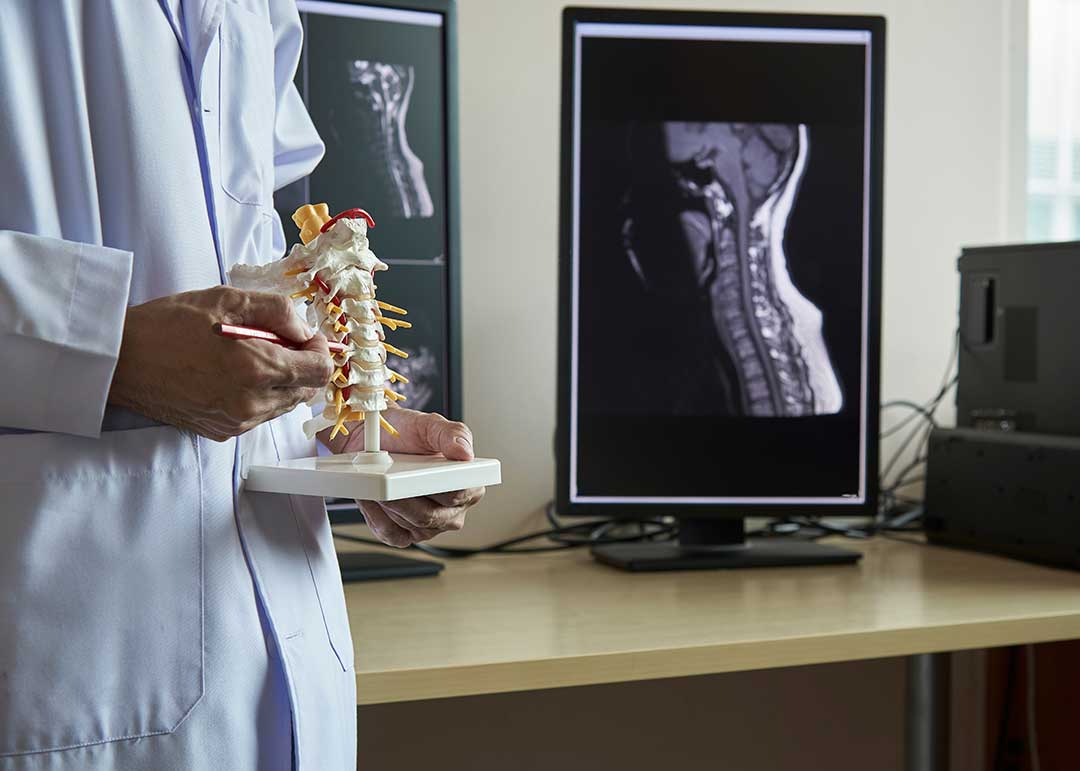
Neck-related neurological symptoms require particular caution. Serious complications after spinal manipulation are uncommon, but symptoms such as sudden weakness, speech difficulty, facial drooping, or severe dizziness should be treated as an emergency.
Does soreness mean the adjustment “worked”?
No. Soreness is not proof that an adjustment was effective, and the absence of soreness does not mean that treatment failed. A useful response is better judged by changes in movement, function, and symptoms over time.
The idea that more soreness means a better result is misleading. Treatment should not be expected to produce significant pain, bruising, or prolonged limitation. If a technique repeatedly leaves someone more uncomfortable, that response should be discussed before the same approach is used again.
A person should also be able to describe what happened afterward. Useful details include the exact location of soreness, when it began, whether it is improving, and whether there are changes in strength, sensation, balance, or coordination.
Is soreness more common after a first adjustment?
It can be. Someone receiving care for the first time may have tight muscles, limited movement, or heightened sensitivity in the area being treated. The body may also respond differently when a treatment changes movement in a joint that has been stiff for some time.
First-time patients should share relevant health information beforehand, including osteoporosis, prior spinal surgery, inflammatory arthritis, cancer involving the spine, recent trauma, blood-clotting problems, neurological symptoms, and medications that affect bleeding or bone strength. These details can affect whether an adjustment is appropriate and which techniques should be avoided.
Children, older adults, pregnant people, and individuals with complex medical conditions may require additional screening and modifications.
What should someone do before another adjustment?
Do not assume that persistent soreness should simply be pushed through. Before another session, describe the reaction clearly and ask whether the treatment plan or technique should change.
A useful conversation includes:
- How long the soreness lasted
- Whether symptoms were mild, moderate, or severe
- Whether the pain was local or traveled into an arm or leg
- Any numbness, tingling, weakness, dizziness, or headache
- What activities made it better or worse
- Whether similar symptoms existed before treatment
The practitioner may decide that a different technique, lower force, less frequent treatment, or no further manipulation is appropriate. In some cases, symptoms that seem related to an adjustment may actually come from the original condition, a separate injury, or ordinary activity afterward.
A practical rule for local residents
For most people, mild soreness that begins soon after treatment and steadily improves within 24 to 48 hours is not unusual. Rest from strenuous activity, gentle movement, and observation are often sufficient.
Soreness that is severe, persistent, progressively worse, or accompanied by neurological symptoms should not be dismissed as a normal response. In those situations, medical evaluation is the safer next step, particularly after treatment involving the neck.
Seasonal routines can also matter. Winter snow and ice, spring cleanup, summer recreation, and fall yard work may place extra strain on the same muscles and joints being treated. Keeping those activities light while soreness settles can make it easier to tell whether symptoms are improving normally.
