
A healthy spine depends less on perfect posture or a single exercise and more on consistent daily habits. Regular movement, sensible lifting, supportive sleep routines, and attention to warning signs can help Lynbrook, NY residents reduce unnecessary strain and maintain comfortable mobility.
What does it mean to have a healthy spine?
A healthy spine is strong enough to support the body, flexible enough to allow normal movement, and well-coordinated with the muscles of the abdomen, hips, shoulders, and legs. It is normal to experience occasional stiffness after unusual activity, prolonged sitting, or a poor night’s sleep. Spine health does not mean never having discomfort.
The goal is to support function and reduce avoidable stress. This includes building strength gradually, changing positions regularly, and responding appropriately when pain or neurological symptoms appear.
How much movement does the spine need?
Regular physical activity is one of the most useful ways to support spinal health. Adults generally benefit from at least 150 minutes of moderate-intensity activity each week, along with muscle-strengthening activity on two or more days. The activity can be divided into shorter sessions.
Walking is a practical starting point for many people. In a dense community such as Lynbrook, daily errands, neighborhood walks, and short periods of movement between household tasks can help reduce long stretches of sitting. Other options include swimming, cycling, gentle yoga, resistance exercises, and mobility work.
If someone has been inactive, increasing activity gradually is safer than beginning with intense workouts. A sudden return to strenuous exercise can irritate muscles and joints, especially after a long period of inactivity.
Is posture really that important?
Posture matters, but there is no single “perfect” position that should be held all day. Remaining in one position for too long is often more troublesome than briefly sitting or standing with less-than-perfect alignment.
For desk work, reading, or screen use:
- Keep both feet supported when possible.
- Let the shoulders remain relaxed rather than elevated.
- Place frequently used objects within easy reach.
- Adjust the screen so the head does not stay bent forward for long periods.
- Change position or stand up every 30 to 60 minutes.
- Use a small cushion or rolled towel for support if the chair does not fit well.
Household routines can create similar strain. Laundry, cooking, cleaning, childcare, and home projects often involve repeated bending or reaching. Alternating tasks, taking short movement breaks, and bringing work closer to waist level can reduce the amount of time spent in awkward positions.
What is the safest way to lift?
Lifting becomes safer when the load is close to the body and the movement is planned before it begins. Before lifting, consider whether the object is too heavy, bulky, unstable, or difficult to grip alone.
A useful approach is to:
- Stand close to the object.
- Place the feet securely and bend through the hips and knees.
- Keep the natural curves of the back rather than rounding sharply.
- Tighten the abdominal muscles gently without holding the breath.
- Lift with the legs and keep the object close.
- Turn by moving the feet instead of twisting the torso.
- Lower the object slowly and with control.
Seasonal household tasks can place extra demands on the back, including moving storage containers, carrying bags, rearranging furniture, or clearing outdoor areas after bad weather. Breaking large jobs into smaller loads is usually more protective than trying to finish everything at once.
Which muscles support the spine?
The spine works as part of a larger movement system. Strong abdominal muscles can help control the trunk, while the hips and legs provide power for lifting, climbing, and changing direction. The upper back and shoulder muscles also influence how comfortably the neck and spine are positioned.
Strength exercises do not need to be complicated. Depending on a person’s abilities, examples may include:
- Chair squats
- Wall push-ups
- Step-ups
- Glute bridges
- Resistance-band rows
- Gentle core exercises
- Balance exercises for older adults

The exercise should be challenging without causing sharp, spreading, or progressively worsening pain. Poor form, excessive weight, and rapid increases in repetitions can create more strain than benefit.
Can sleep habits affect the back and neck?
Sleep position and mattress comfort can influence morning stiffness, although there is no universally correct sleeping position. Side sleepers may feel more comfortable with a pillow that keeps the head level with the spine. A pillow between the knees can reduce twisting through the hips and lower back. People who sleep on their backs may prefer support under the knees.
The neck should not be forced into a sharply bent position. If a mattress or pillow consistently causes pain, numbness, or stiffness that improves after getting up, the sleep setup may need adjustment.
Adequate sleep also supports recovery. Persistent sleep loss can make pain feel more intense and may reduce the motivation to stay active.
What about body weight, nutrition, and smoking?
A balanced eating pattern supports bone, muscle, and general health. Calcium and vitamin D are important for bone strength, while adequate protein helps maintain muscle tissue. Maintaining a weight that is healthy for the individual may reduce mechanical stress on the back, hips, and knees.
Smoking can impair circulation and is associated with poorer healing in some musculoskeletal conditions. Reducing or stopping tobacco use benefits overall health as well as the tissues that support movement.
These factors should be approached realistically. Extreme diets or sudden, demanding exercise plans are rarely necessary for better spine care.
When should back or neck pain be evaluated?
Most short-term back pain is not caused by a serious condition, but certain symptoms deserve prompt medical attention. Seek urgent evaluation for back pain accompanied by:
- New loss of bladder or bowel control
- Numbness around the inner thighs, genitals, or buttocks
- Significant weakness or numbness in both legs
- Severe pain after a fall, collision, or other injury
- Fever, unexplained illness, or rapidly worsening symptoms
- Unexplained weight loss or pain that is consistently worse at night
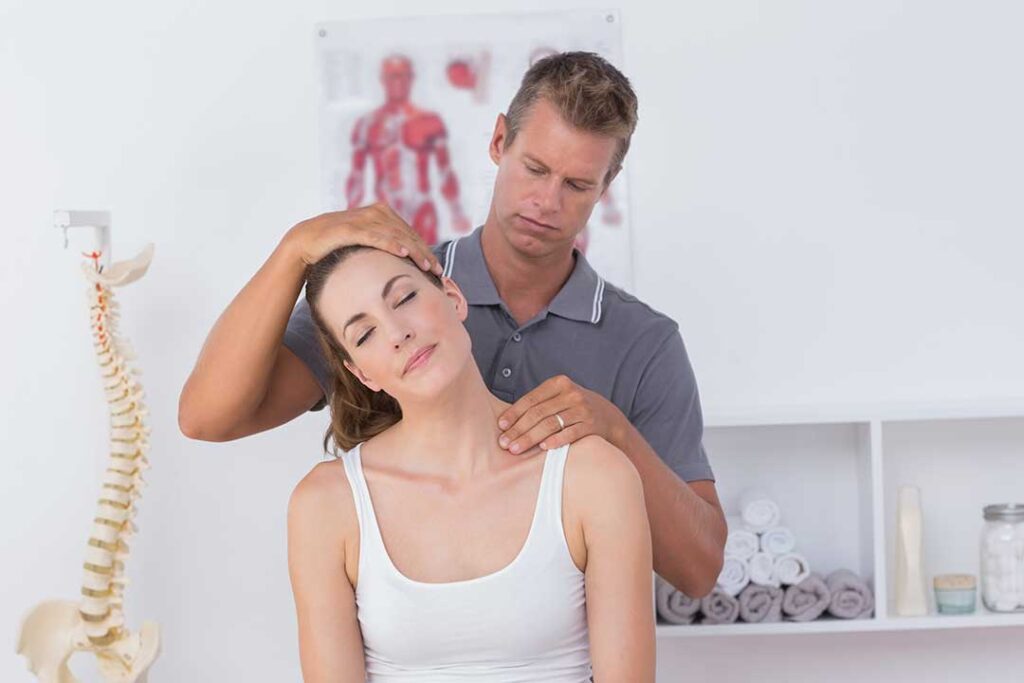
Pain that persists, repeatedly returns, interferes with sleep, or limits normal activity also warrants an appropriate health assessment. A chiropractor may be one type of provider involved in evaluating movement-related spinal complaints, but symptoms suggesting infection, fracture, nerve compression, or another medical condition require timely medical attention.
How can residents build a practical spine-care routine?
A manageable routine might include a brief walk most days, two weekly strength sessions, regular position changes during screen time, and careful lifting during household tasks. It is also useful to notice patterns: pain that follows long drives, gardening, prolonged sitting, poor sleep, or a sudden increase in exercise may point to a change that can be addressed.
Healthy spine habits are not about avoiding all bending, lifting, or activity. They are about preparing the body, using efficient movement, allowing recovery, and recognizing symptoms that should not be ignored.
