

Daily movement does not need to involve a formal workout to support comfort, strength, balance, and joint mobility. For residents of Lynbrook, practical habits such as changing positions, walking short distances, using stairs safely, and moving carefully during household tasks can make a meaningful difference over time.
Why does movement throughout the day matter?
Regular movement helps prevent the stiffness and weakness that can develop after long periods of sitting, standing, or remaining in one position. It also supports circulation, coordination, muscle endurance, and the body’s ability to handle ordinary activities such as carrying groceries, climbing stairs, gardening, or lifting laundry.
A single workout cannot fully replace movement during the rest of the day. Someone who exercises for 30 minutes but sits continuously for many hours may still experience tight hips, a stiff back, or discomfort in the neck and shoulders. Short periods of movement spread across the day are often easier to maintain and may be more comfortable for people who are beginning an activity routine.
How often should a person change position?
Changing position about every 30 to 60 minutes is a useful general goal, although the ideal interval varies by person and activity. The change does not need to be lengthy. Standing, walking to another room, gently rolling the shoulders, or taking a few controlled steps can interrupt prolonged stillness.
During desk work, reading, or screen use, try alternating among:
- Sitting with both feet supported
- Standing for part of a task
- Walking during phone conversations
- Performing a brief stretch between activities
- Looking away from the screen and relaxing the neck
A kitchen timer, calendar reminder, or natural transition—such as moving after finishing an email or television segment—can help make position changes more consistent. Movement breaks should feel manageable rather than disruptive.
What are simple ways to move more at home?
Household routines provide many opportunities for useful movement. Folding laundry while standing, walking through the home during phone calls, putting items away in smaller trips, and performing light cleaning with good posture can reduce long stretches of inactivity.
For people living in homes with stairs, stair use can provide brief activity throughout the day. Use the handrail when needed, keep steps clear, and avoid carrying loads that block the view of the stairs. If balance is limited, safety matters more than increasing the number of trips.
Outdoor movement can also be adapted to local conditions. In Lynbrook, hot and humid summer weather may make midday activity uncomfortable, while winter cold, wet pavement, or snow and ice can affect footing. Walking during cooler parts of the day, choosing well-cleared routes, and wearing supportive footwear can make outdoor movement safer and more sustainable.
How can walking be added without creating a strict exercise plan?
Walking is one of the simplest forms of daily movement because it requires little equipment and can be adjusted for speed, distance, and duration. A person who currently walks very little might begin with several five-minute walks rather than attempting a long outing.
Useful opportunities include:
- Walking part of the way during routine errands
- Taking a brief walk after meals
- Parking farther away when conditions are safe
- Completing one or two laps around the block
- Walking indoors during poor weather
- Choosing stairs for a single flight when comfortable
A comfortable pace is appropriate for general mobility. A faster pace may provide more cardiovascular benefit, but it is not necessary for every walk. The most helpful routine is one that can be repeated without causing excessive soreness or fatigue.
What is the safest way to lift and carry household items?
Safe lifting begins before the object is picked up. Estimate its weight, clear the path, and keep the load close to the body. Bend through the hips and knees as much as is comfortable rather than rounding deeply through the lower back. Tightening the abdominal muscles gently can provide additional stability.
Avoid twisting while lifting. Turn the whole body by moving the feet instead. For heavier or awkward objects, divide the load into smaller portions, use a cart when available, or ask for assistance if the task cannot be completed safely.
Carrying bags on one side for a long distance can strain the shoulders, neck, and back. Distributing weight between both hands or using a backpack with both shoulder straps may reduce uneven loading. The load should remain light enough to allow a normal walking posture.
How can desk and screen habits support healthier movement?
A comfortable workstation should allow the head to remain generally balanced over the shoulders, the elbows to rest near the body, and the feet to contact the floor or a stable support. The screen should be positioned so the user does not need to bend the neck downward for long periods.
No sitting position is perfect if it is held for hours. Even a well-arranged chair and desk should be paired with regular movement. Try standing during short tasks, walking while listening to audio, and gently moving the wrists, ankles, shoulders, and upper back during breaks.
Phone use can also affect posture. Holding a phone between the shoulder and ear may place uneven stress on the neck. Using a speaker function or holding the device in front of the body can reduce that habit.
Which stretches are useful during the day?
Gentle mobility exercises are often more appropriate during the workday than forceful stretching. Comfortable movements may include:
- Slow shoulder rolls
- Neck turns within a pain-free range
- Ankle circles
- Standing hip movements while holding a stable surface
- Gentle chest opening with the arms supported
- Easy walking after a prolonged sitting period
Stretching should create mild tension, not sharp pain, numbness, tingling, or a strong pulling sensation. Bouncing is unnecessary. Breathing normally and moving slowly can help prevent overexertion.
People with recent injuries, significant osteoporosis, balance problems, or symptoms that travel into an arm or leg may need individualized guidance before beginning new exercises.
How should movement be adjusted for pain?
Mild stiffness after inactivity may improve with gradual movement, but worsening pain is a signal to reduce intensity or change the activity. Pain that is sharp, severe, associated with weakness, or accompanied by numbness should not be ignored.
Seek prompt medical attention for symptoms such as loss of bladder or bowel control, sudden weakness, major trauma, unexplained fever, chest pain, difficulty breathing, or severe pain that does not ease. These symptoms require medical evaluation rather than a self-directed movement routine.
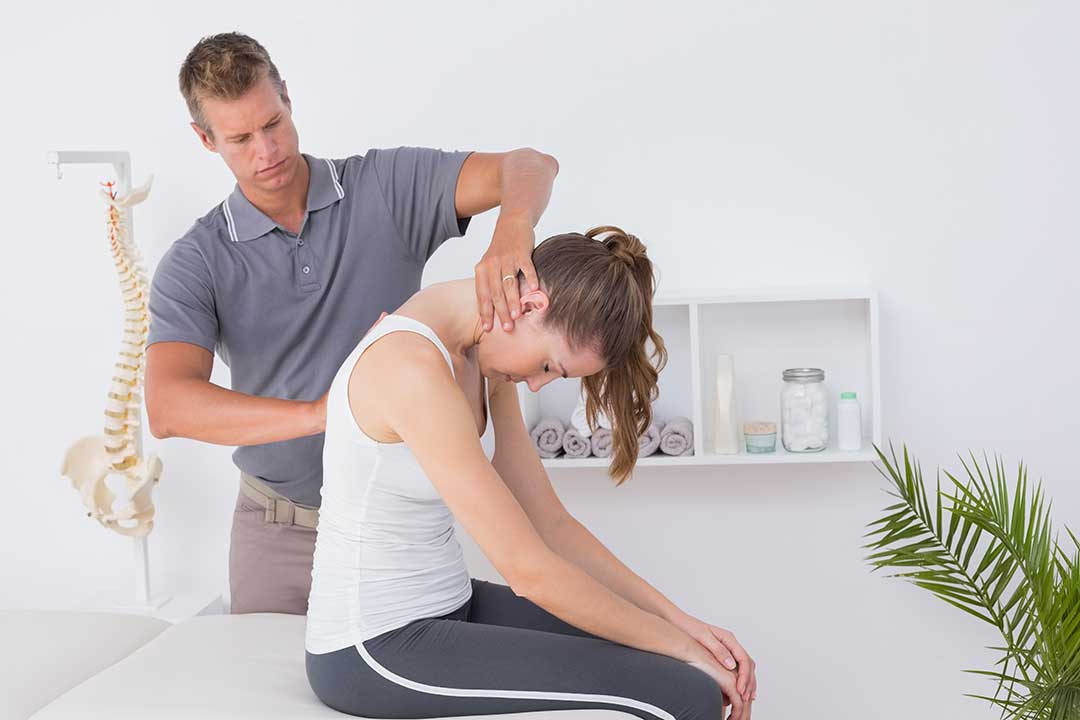
For recurring back, neck, or joint discomfort, tracking activities, positions, sleep, and symptom patterns can help identify triggers. A chiropractor or other qualified health professional may provide movement guidance when symptoms persist, interfere with daily tasks, or repeatedly return. The appropriate approach depends on the person’s health history and examination findings.
What makes a daily movement routine sustainable?
A sustainable routine is specific, modest, and connected to existing habits. Instead of planning to “move more,” a person might stand for two minutes after each work meeting, walk for five minutes after lunch, or perform gentle mobility exercises before preparing dinner.
Progress should be measured by consistency and comfort, not by intensity alone. Gradually increasing walking time, carrying capacity, or activity frequency gives the body time to adapt. Rest is also part of healthy movement, especially after unusual exertion or during illness.
The most useful goal is to make movement a normal part of the day: change positions regularly, walk when practical, lift thoughtfully, adapt to weather and footing, and respond to symptoms before they become more limiting.
