
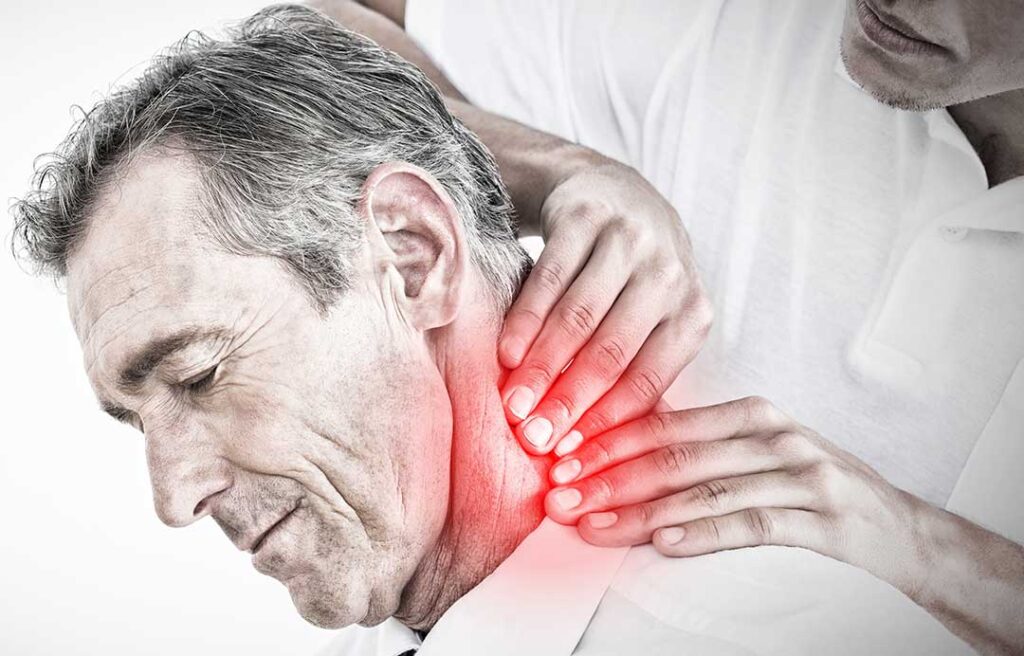
Residents of Lynbrook, NY often compare chiropractic care and massage therapy when dealing with back pain, neck tension, headaches, stiffness, or muscle soreness. Both use hands-on techniques, but they differ in their training, goals, treatment methods, and the kinds of problems they are designed to address.
Neither approach is automatically better. The more appropriate option depends on whether the main concern involves joint movement, muscle tension, stress, an injury, or symptoms that require medical evaluation first.
What is the main difference between chiropractic care and massage therapy?
Chiropractic care generally focuses on the relationship between the spine, joints, nerves, and movement. Massage therapy focuses primarily on muscles and other soft tissues, such as fascia and connective tissue.
A chiropractic evaluation may include questions about symptoms, movement, strength, sensation, posture, and joint mobility. Treatment can involve spinal manipulation, joint mobilization, stretching, exercise guidance, and soft-tissue techniques.
Massage therapy uses pressure, kneading, gliding, stretching, or sustained contact to work on soft tissue. The goals may include reducing muscle tightness, improving comfort, supporting relaxation, and temporarily improving mobility.
The distinction is not absolute. Some chiropractors use massage or soft-tissue work, while some massage therapists address movement patterns and muscular contributors to joint discomfort. The central difference is the primary clinical focus.
How do the treatments feel and what do they involve?
Chiropractic treatment may involve a person lying on a treatment table while the practitioner assesses and moves selected joints. A spinal adjustment is a controlled, brief movement intended to improve joint motion. Other techniques may be slower and gentler, including mobilization, stretching, or guided exercises.
Massage therapy usually involves direct work on areas such as the back, shoulders, neck, hips, arms, or legs. Pressure can range from light to firm. A massage session may be focused on relaxation, general muscle tension, a specific sore area, or recovery after physical activity.
A common misconception is that chiropractic care always involves a forceful “cracking” technique. It does not. Treatment methods vary, and not every person is suited to every technique. Similarly, massage does not have to be deep or painful to be useful. Increased pressure is not necessarily more effective.
Which option may fit muscle tension or stress?
Massage therapy may be a practical choice when the main issue is muscle tightness, stress-related tension, soreness after activity, or discomfort from prolonged sitting. Local residents who spend long periods driving, working at a desk, lifting children, or doing household tasks may notice tension in the neck, shoulders, lower back, or hips.
Massage may help a person feel looser or more comfortable for a period of time, but it does not diagnose the underlying cause of persistent pain. If symptoms repeatedly return, the contributing factors may include work ergonomics, weakness, limited joint movement, sleep position, training habits, or an untreated injury.
Chiropractic care may be considered when pain is accompanied by restricted spinal or joint movement, recurring mechanical back pain, or difficulty with certain movements. A broader evaluation may be useful when the concern involves both mobility and pain rather than muscle tension alone.
Which option may fit back or neck pain?
For uncomplicated mechanical back pain, either approach may provide short-term relief for some people. Chiropractic treatment often emphasizes spinal or joint movement, while massage is more directly aimed at muscle and soft-tissue tension.
The source of the pain matters. Muscle soreness after shoveling, gardening, moving furniture, or other physical work may respond differently from pain associated with restricted movement, a strained joint, nerve irritation, or a disc problem.
Neck pain deserves particular care. Muscle tension from computer use, mobile-device posture, or stress may respond to gentle soft-tissue work and movement exercises. However, sudden severe neck pain, pain after an accident, or symptoms involving the arm or hand should be assessed carefully before hands-on treatment.
Neither chiropractic care nor massage therapy should be used to delay evaluation of unexplained, severe, or worsening symptoms.
Are chiropractic care and massage therapy safe?
Both approaches are generally considered low risk for many healthy adults when performed appropriately, but neither is risk-free.
Temporary soreness, tiredness, bruising, or mild discomfort can occur after either treatment. Vigorous massage may be unsuitable for people with certain bleeding disorders, blood-clotting concerns, fragile bones, open wounds, or some medical conditions. People taking blood-thinning medication should discuss the safety of deep or forceful massage with a qualified medical provider.
Spinal manipulation can also cause temporary soreness, headache, or fatigue. Neck manipulation requires special caution because serious complications, although uncommon, have been reported. A person should not feel pressured to accept a technique that causes fear or discomfort.
Before either type of care, disclose relevant health information, including:
- Recent falls, collisions, or other injuries
- Numbness, tingling, weakness, or changes in coordination
- Osteoporosis, inflammatory arthritis, or a history of fracture
- Cancer, infection, fever, or unexplained weight loss
- Blood-clotting problems or use of anticoagulant medication
- Pregnancy or recent surgery
- New or unexplained severe pain

When should hands-on treatment wait?
Certain symptoms call for medical assessment rather than massage or chiropractic treatment as the first step. Seek prompt medical attention for back or neck pain accompanied by loss of bladder or bowel control, numbness around the groin, significant leg or arm weakness, fainting, chest pain, difficulty breathing, fever, or major trauma.
Urgent evaluation is also appropriate for a sudden severe headache, new neurological symptoms, unexplained weight loss, or pain that is rapidly worsening. These signs can indicate a condition that requires diagnosis and treatment beyond hands-on care.
A person with persistent pain that is not improving should also reconsider the original assumption that the problem is simply tight muscles or a misaligned joint.
Can chiropractic care and massage therapy be used together?
They can sometimes be part of the same broader care plan, but combining treatments is not automatically necessary. Using both approaches may make sense when a person has joint-movement limitations along with substantial muscle tension, provided the techniques are appropriate and the treatment plan is coordinated.
More treatment is not always better. Repeated passive care without attention to strength, activity habits, sleep, posture, or gradual movement may provide only temporary relief. Exercise, physical therapy, medical care, or changes to daily activities may be more appropriate depending on the cause of symptoms.
For residents managing discomfort through seasonal yard work, winter snow and ice, commuting, or prolonged indoor sitting, pacing activity and gradually rebuilding strength can be as important as hands-on treatment.
How can someone decide between the two?
Start by identifying the dominant problem:
- Muscle tightness, stress, or general soreness: Massage may be the closer match.
- Restricted joint movement or recurring mechanical back pain: Chiropractic evaluation may be relevant.
- Pain after an injury: Medical assessment may be needed before either treatment.
- Numbness, weakness, or radiating pain: Diagnosis should come before routine hands-on care.
- Long-lasting or recurrent symptoms: A broader evaluation may be more useful than repeated short-term relief.
The most useful choice is not based on the treatment’s popularity or how intense it feels. It is based on a clear understanding of the symptoms, reasonable safety screening, and a plan that addresses both comfort and function.
