
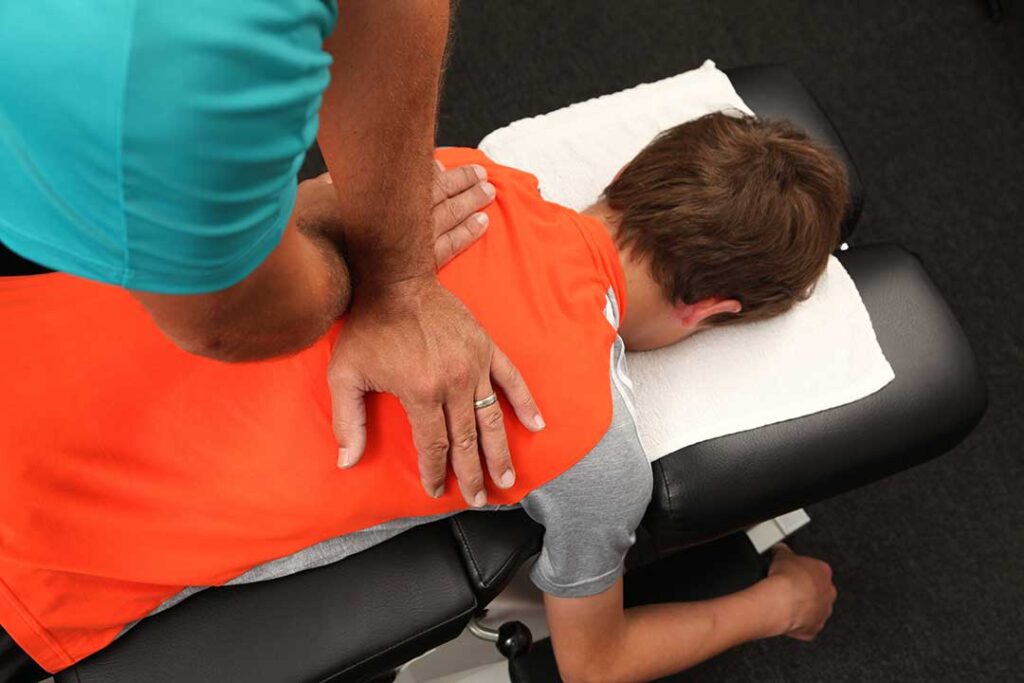
Residents of Lynbrook, NY often compare chiropractic care and massage therapy when dealing with back pain, neck tension, headaches, sports soreness, or stiffness after long hours at a desk. The two approaches may overlap, but they are not the same. Chiropractic care generally focuses on evaluating the musculoskeletal system and treating joint or movement-related problems, while massage therapy primarily works with muscles and other soft tissues.
What is the main difference between chiropractic care and massage therapy?
The main difference is the area of focus and the type of assessment involved.
Chiropractic care commonly includes a health history, physical examination, movement assessment, and manual techniques directed at joints, the spine, and related tissues. Treatment may include spinal manipulation, mobilization, exercises, posture guidance, or soft-tissue work.
Massage therapy uses hands-on pressure and movement to affect muscles, fascia, tendons, and other soft tissues. A massage therapist may use techniques such as kneading, sustained pressure, stretching, or lighter relaxation-based strokes.
Neither approach is automatically better for every problem. The more appropriate option depends on what is causing the discomfort, how long symptoms have lasted, and whether warning signs are present.
What does a chiropractor typically do?
A chiropractor is trained to assess and manage conditions involving the musculoskeletal system, including the spine, joints, and surrounding structures. The evaluation may include questions about symptoms, activity levels, previous injuries, medications, and general health.
Treatment can involve:
- Spinal or joint manipulation
- Gentle mobilization
- Soft-tissue techniques
- Range-of-motion exercises
- Strengthening or stretching recommendations
- Guidance about movement, lifting, posture, or daily activities
Spinal manipulation is often associated with chiropractic care, but it is not the only technique used. A careful evaluation should come before treatment, particularly when pain is new, severe, recurring, or associated with neurological symptoms.
For example, a person with restricted movement after repeatedly lifting boxes, shoveling, or working in an awkward position may be assessed for joint mobility, muscle guarding, and movement patterns. The treatment plan may address more than the painful area alone.
What does a massage therapist typically do?
Massage therapy is designed to influence soft tissues and may be used for muscle tension, stress-related tightness, post-exercise soreness, or limited comfort associated with prolonged sitting and repetitive activity.
A session may focus on:
- Relaxation and general muscle tension
- A specific area such as the shoulders, lower back, or legs
- Muscle soreness after physical activity
- Soft-tissue restrictions
- Temporary relief from stress-related discomfort
Massage can feel beneficial when muscles are tight or overworked. It may also help a person become more aware of areas that feel tense. However, massage does not usually provide the same type of joint assessment or clinical examination associated with chiropractic care.
Deep pressure is not always more effective. Forceful techniques can be uncomfortable or inappropriate for people with certain medical conditions, recent injuries, bleeding risks, fragile bones, open wounds, or significant inflammation.
Which option is better for back or neck pain?
For uncomplicated muscle tension, either approach may provide short-term relief, but the reason for the pain matters more than the label of the treatment.
Massage may be useful when symptoms feel primarily muscular, such as tight shoulders after computer work or aching muscles after gardening, commuting, or exercise. Chiropractic assessment may be more relevant when discomfort is accompanied by restricted joint motion, recurring movement problems, or difficulty performing particular activities.
Research on both approaches suggests that benefits are often modest and may vary from person to person. Neither massage nor chiropractic care should be presented as a guaranteed cure. Persistent pain may require a broader evaluation that considers physical activity, sleep, stress, medication, previous injury, and other health factors.
A combined approach is sometimes used, but the therapies should not be treated as interchangeable. Massage may address muscle tension while chiropractic care evaluates joint movement and overall mechanical function.
Are chiropractic adjustments and massage equally safe?
Both can be safe for many healthy adults when performed appropriately, but each has different precautions.
Massage commonly causes temporary tenderness, fatigue, or mild soreness. Rare but serious complications have been reported, particularly with vigorous techniques or in people at increased risk of injury.
Spinal manipulation may also cause temporary soreness, stiffness, or headache. Serious complications are uncommon, but the risks can be greater for people with certain underlying conditions. A complete health history matters before treatment.
Extra caution may be needed with:
- Recent fractures, falls, or significant injuries
- Osteoporosis or fragile bones
- Blood-clotting disorders or use of blood-thinning medication
- Cancer affecting the bones
- Fever or active infection
- Open wounds or skin conditions
- Pregnancy
- New numbness, weakness, or loss of coordination
- Severe or rapidly worsening pain
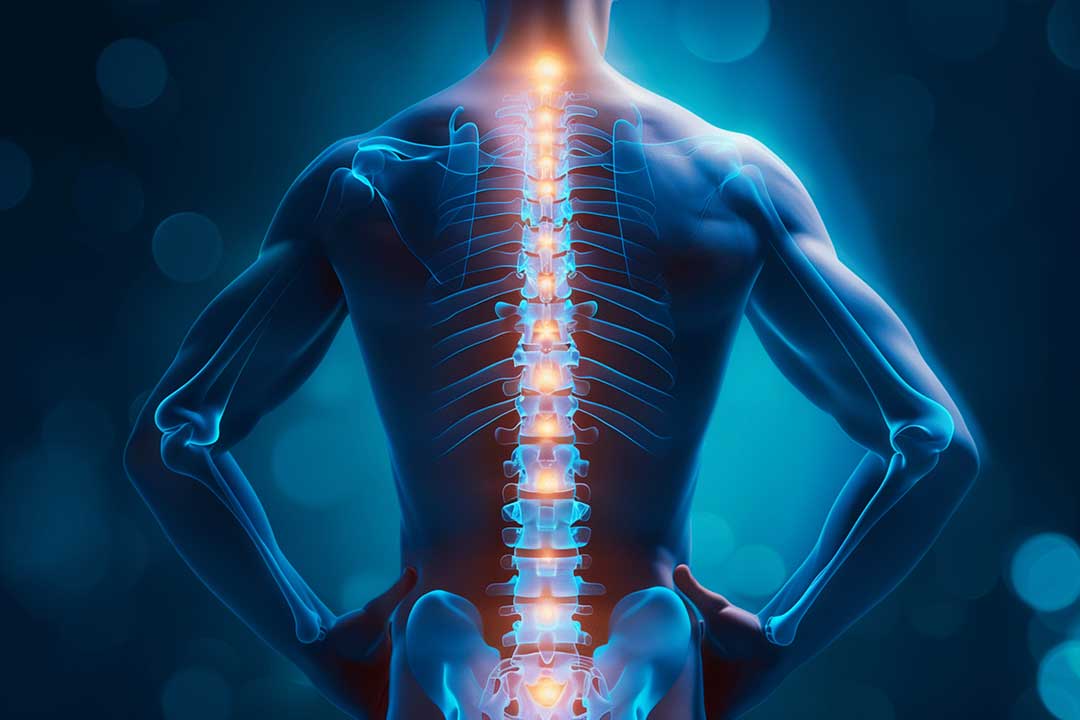
A person should not use either therapy to delay medical evaluation for symptoms that may indicate a serious condition.
When should back or neck pain be evaluated medically first?
Certain symptoms deserve prompt medical attention rather than relying on massage or spinal manipulation alone. These include sudden weakness, progressive numbness, loss of bladder or bowel control, unexplained weight loss, fever, major trauma, or pain that is severe and worsening.
Neck pain with sudden neurological symptoms, difficulty speaking, fainting, severe dizziness, or an unusual severe headache also requires urgent evaluation.
For less urgent but persistent symptoms, an assessment can help determine whether the problem is muscular, joint-related, nerve-related, or connected to another condition. This is particularly useful when pain continues despite rest or repeatedly returns after temporary relief.
How can local routines affect the choice?
Daily habits in Lynbrook may influence the type of discomfort a person notices. Seasonal snow removal, home maintenance, commuting, recreational exercise, and extended periods of sitting can all contribute to muscle tension or movement-related pain. Carrying items up stairs, working from a dining table, or spending long periods looking down at a phone may also affect the neck, shoulders, and lower back.
The most useful treatment is usually the one that matches the suspected source of the problem and includes practical changes that reduce repeated strain. That might involve changing lifting technique, taking movement breaks, adjusting a workstation, gradually rebuilding strength, or modifying an exercise routine.
How should someone decide between the two?
A simple guide is:
- Choose massage-oriented care when the main concern is muscle tightness, general soreness, or stress-related tension and there are no warning signs.
- Consider chiropractic evaluation when joint stiffness, restricted movement, recurring mechanical pain, or difficulty with specific movements is the main concern.
- Seek medical evaluation first when symptoms are severe, unexplained, progressive, or associated with neurological changes.
- Ask about training, expected benefits, possible risks, and whether the approach is suitable for existing health conditions.
Chiropractic care and massage therapy can both play a role in managing certain musculoskeletal complaints, but they serve different purposes. Understanding that distinction helps residents make a more informed choice instead of assuming that every type of pain should be treated in the same way.
