

What does spinal health have to do with quality of life?
Spinal health affects far more than whether a person has back or neck pain. The spine supports movement, balance, posture, and many ordinary activities, including walking, sitting, sleeping, lifting, working, and participating in family or community life.
For residents of Lynbrook, daily routines may include commuting, desk work, household tasks, recreational walking, caring for children or older relatives, and seasonal outdoor chores. When spinal discomfort limits these activities, the effects can extend into sleep, mood, energy, and independence.
A healthy spine does not mean a perfectly straight posture or the absence of occasional soreness. It generally means the spine and surrounding muscles, joints, discs, and nerves can support movement and daily function without persistent or worsening symptoms.
How can spinal problems affect daily activities?
Spinal discomfort often changes the way a person moves. Someone with low back pain may avoid bending, walking longer distances, carrying groceries, or sitting through a workday. Neck pain may make it difficult to turn the head while driving, use a computer comfortably, or sleep in a preferred position.
These limitations can create a cycle:
- Pain leads to less movement.
- Less movement can reduce strength, flexibility, and confidence.
- Reduced capacity makes ordinary tasks feel more demanding.
- Increased strain may contribute to further discomfort.
Not every episode of pain follows this pattern, and rest can be useful briefly after an injury. However, prolonged inactivity is not always the safest or most effective response. Gradual, appropriate movement is often part of maintaining function.
Does posture directly cause back or neck pain?
Posture can influence how much stress is placed on muscles and joints, but there is no single “perfect” posture that prevents all pain. People naturally change position throughout the day, and many postures are comfortable when used for reasonable periods.
Problems are more likely when a person remains in one position for a long time, especially with a forward head position, rounded upper back, unsupported lower back, or awkward workstation setup. Repeated bending, twisting, reaching, or lifting may also contribute to symptoms when the body is not conditioned for those demands.
Practical posture habits include:
- Keeping frequently used items within easy reach.
- Adjusting a screen so the head does not stay tilted downward.
- Supporting the feet when sitting for extended periods.
- Changing position every 30 to 60 minutes.
- Using the hips and knees, rather than rounding only through the low back, when lifting.
- Holding loads close to the body and avoiding sudden twisting.
These habits are intended to reduce strain, not to create rigid rules. Comfort, movement variety, and gradual conditioning matter more than maintaining one fixed position.
Why does spinal health influence sleep?
Back and neck symptoms can make it difficult to fall asleep, stay asleep, or find a comfortable position. Poor sleep can then increase fatigue, reduce concentration, and make pain feel more intrusive during the day.
A supportive sleep position is usually one that allows the spine to remain comfortable without forcing the neck or hips into an extreme angle. Some people sleep more comfortably on their side with support between the knees. Others prefer lying on their back with support under the knees. Stomach sleeping may be comfortable for some individuals but can place more rotation through the neck.
A mattress or pillow does not need to be unusually firm to support the spine. The most suitable arrangement depends on body shape, sleep position, personal comfort, and existing symptoms. Persistent sleep disruption deserves attention because it can affect both physical recovery and emotional well-being.
Can spinal health affect mood and mental well-being?
Persistent pain can influence mood, patience, motivation, and social participation. A person who cannot sit comfortably at a gathering, exercise with friends, or complete household responsibilities may begin to feel frustrated or isolated.
Pain and stress can also reinforce each other. Stress may increase muscle tension and make symptoms feel more noticeable, while ongoing discomfort can make it harder to relax. This does not mean pain is “only psychological.” It means physical symptoms, sleep, stress, activity, and mood can interact.
Helpful strategies may include setting realistic activity goals, maintaining social connection, using relaxation practices, and avoiding an all-or-nothing approach to exercise. If pain is accompanied by persistent sadness, anxiety, hopelessness, or major changes in daily functioning, mental health support may be appropriate alongside physical care.
What types of movement support spinal function?
Regular movement helps maintain strength, coordination, joint mobility, and confidence. Walking is often a practical starting point because it requires little equipment and can be adjusted in duration and pace. In a dense suburban community, short walks divided across the day may be easier to maintain than one long workout.
Other options can include:
- Gentle mobility exercises for the hips, shoulders, and upper back.
- Strengthening of the trunk, hips, and legs.
- Balance exercises, particularly for older adults.
- Low-impact activities such as swimming or cycling.
- Gradual return to hobbies, household work, or recreational activity.
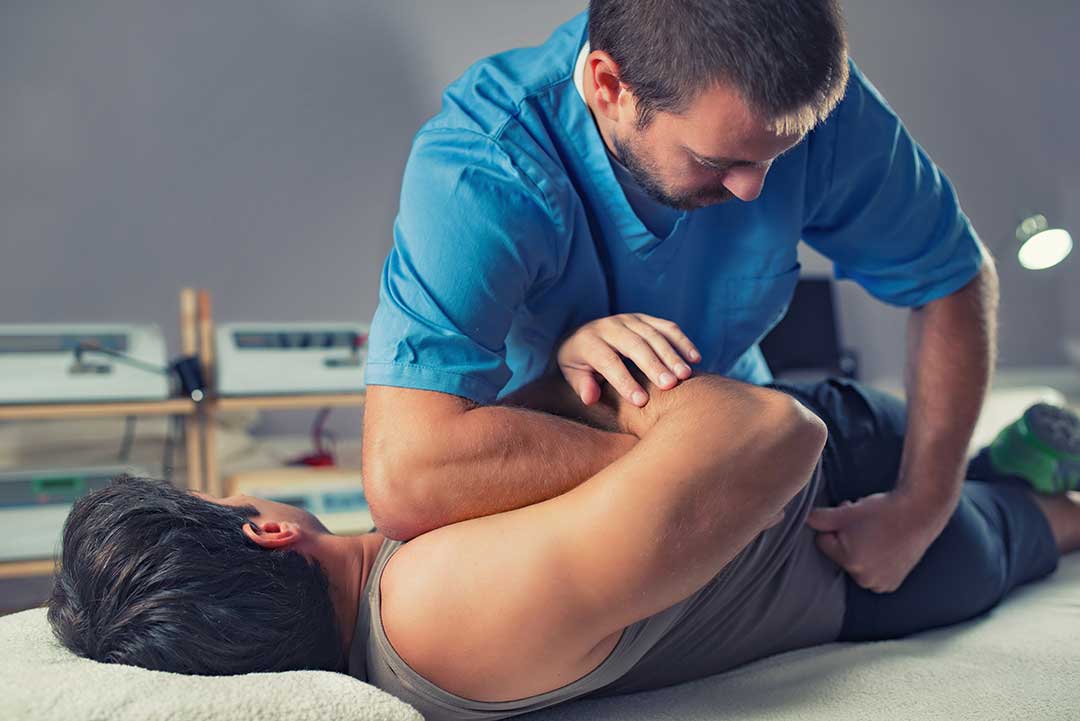
Exercise should be adjusted for current ability. Mild muscle effort or temporary stiffness may be expected, but sharp, worsening, or radiating pain is a reason to stop and reassess. A person recovering from an injury, surgery, or significant flare may need individualized guidance before increasing activity.
How do seasonal conditions affect spinal comfort in Lynbrook?
Cold weather can make muscles feel stiff, while snow, ice, wet leaves, and uneven surfaces can increase the risk of slips or sudden movements. Winter clothing and boots may also change balance and walking mechanics. During warmer months, yard work, home maintenance, and outdoor recreation can place unfamiliar demands on the back and shoulders.
Seasonal preparation can reduce strain:
- Warm up with easy movement before shoveling, gardening, or sports.
- Break demanding chores into shorter periods.
- Alternate sides when carrying or sweeping.
- Use equipment that fits the task and avoid overfilled bags or containers.
- Keep walkways clear and use caution on wet or icy surfaces.
- Increase activity gradually after periods of reduced winter movement.
The goal is not to avoid physical tasks, but to match the workload to current strength and endurance.
When should back or neck symptoms be evaluated promptly?
Most common episodes of back pain improve with time and conservative self-care, but certain symptoms require prompt medical evaluation. Seek urgent care for back or neck pain accompanied by:
- New loss of bowel or bladder control.
- Numbness around the groin or inner thighs.
- Significant or progressive weakness in an arm or leg.
- Severe pain after a major fall, collision, or other trauma.
- Fever, unexplained weight loss, or a history of cancer.
- Pain that is severe at night, rapidly worsening, or unrelated to movement.
- Chest pain, shortness of breath, or abdominal symptoms occurring with back discomfort.
For less urgent concerns, evaluation may still be useful when symptoms persist, repeatedly return, interfere with sleep, or prevent normal work and household activities. The purpose is to identify contributing factors, rule out serious conditions, and develop a safe plan for restoring function.
Spinal health is best understood as a daily function issue rather than a posture contest. Comfortable movement, adequate strength, sound sleep, sensible lifting habits, and attention to warning signs can help protect independence and quality of life across changing seasons and stages of life.
