

Migraines are more than ordinary headaches. They may involve throbbing pain, nausea, vomiting, light or sound sensitivity, visual changes, and a need to rest in a quiet, dark room. For some residents, neck stiffness or upper-back tension appears before or during an attack, which can raise a reasonable question: can chiropractic care help?
The short answer is that chiropractic treatment may help some people manage migraine-related disability or neck discomfort, but it is not a proven cure and should not replace medical evaluation or established migraine treatment. Research on spinal manipulation and other manual therapies is limited and mixed. The safest approach is to view chiropractic care as a possible complementary option within a broader plan.
What does the research say?
Evidence suggests that spinal manipulation, soft-tissue techniques, and exercise-based care may reduce headache frequency or intensity for some people. However, the quality of the research is generally low to moderate, and studies do not show that chiropractic care works consistently for everyone with migraine.
Some benefits may come from reducing related muscle tension, improving neck movement, or addressing physical habits that contribute to discomfort. Those effects are different from treating the neurological processes that cause migraine.
Migraine prevention may also involve prescription or over-the-counter medications, sleep regularity, hydration, stress management, physical activity, behavioral therapy, or other approaches. Chiropractic care is best considered one possible part of that larger picture rather than a stand-alone solution.
Why might neck-focused care help some people?
The neck and upper back can become tense during prolonged screen use, driving, desk work, or poor sleeping positions. Local households may also notice more muscle tightness during colder months, when people spend more time indoors, layer clothing, or keep their shoulders raised against the cold.
Manual care may help by:
- Improving comfortable neck movement
- Reducing muscle tightness in the neck and shoulders
- Addressing posture and movement habits
- Supporting a gradual return to activity after an episode
- Providing exercises for strength, mobility, and endurance
These effects may be especially relevant when neck pain occurs alongside a migraine. They do not necessarily mean that the neck caused the migraine.
A headache that begins in the neck and travels toward the head may be cervicogenic, meaning it is linked to structures in the neck. Cervicogenic headaches are different from migraines, although the symptoms can overlap. A careful evaluation is needed before assuming that every headache is a migraine or that every headache is caused by spinal alignment.
Can chiropractic care stop an active migraine?
There is not strong evidence that a spinal adjustment can reliably stop an active migraine attack. During a severe episode, a person may be unusually sensitive to movement, touch, light, and sound. Forceful or uncomfortable treatment could worsen symptoms rather than relieve them.
If someone is already experiencing nausea, dizziness, visual symptoms, or intense head pain, conservative measures may be more appropriate. These may include resting in a dark, quiet room, drinking fluids if tolerated, following an established acute-treatment plan, and avoiding known triggers.
Any manual treatment should be modified or postponed if symptoms are severe, unfamiliar, rapidly worsening, or accompanied by neurological changes.
What might a reasonable chiropractic plan include?
A cautious plan should begin with a health history and examination rather than immediate neck manipulation. The evaluation may include questions about:
- Headache frequency, duration, and location
- Nausea, aura, light sensitivity, or sound sensitivity
- Neck pain, stiffness, or limited movement
- Recent injury, falls, or whiplash
- Medications and other health conditions
- Sleep, hydration, stress, work posture, and physical activity
Care may focus on gentle mobilization, soft-tissue work, posture education, home exercises, and gradual activity changes. High-velocity neck manipulation is not appropriate for everyone, and a person should be able to discuss alternatives.
Keeping a headache diary can make the assessment more useful. Recording sleep, meals, caffeine, menstrual or hormonal changes, weather shifts, stress, screen time, neck symptoms, and treatment responses may reveal patterns. Seasonal changes in humidity, temperature, and indoor routines can affect some people, although weather is only one possible trigger.
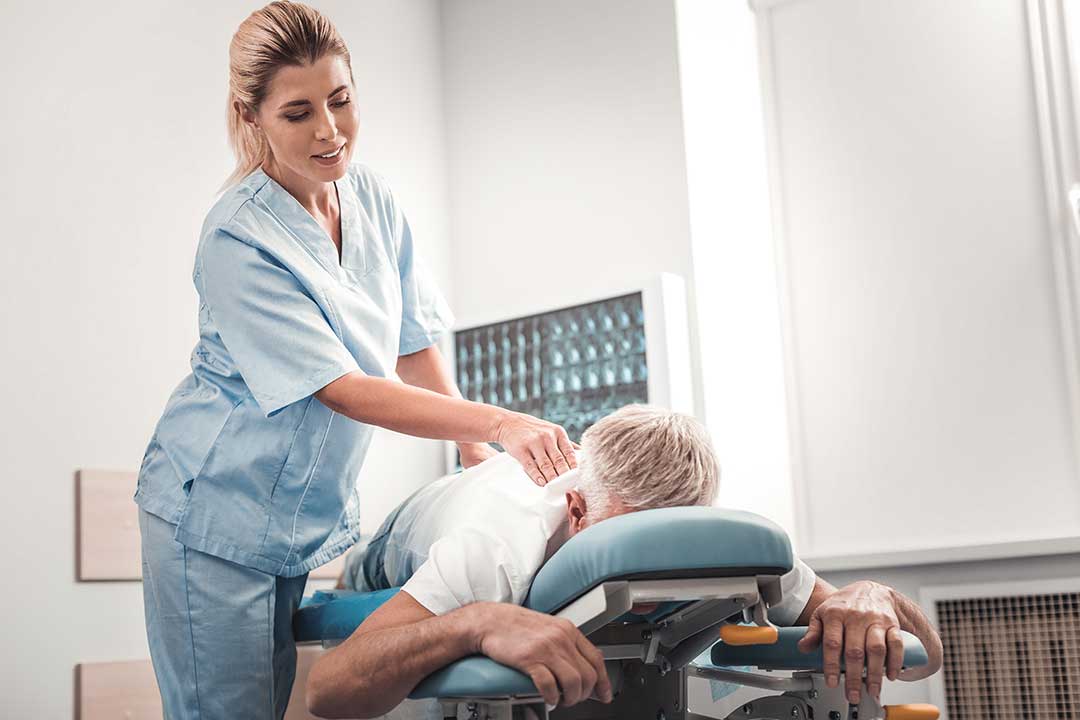
Is neck manipulation safe for people with migraine?
Most people experience temporary soreness, stiffness, or fatigue after manual treatment. Serious complications are uncommon, but severe adverse events have been reported after neck manipulation, including injuries involving blood vessels in the neck. The absolute risk is difficult to measure, and it may be higher for people with certain medical conditions or recent injuries.
Extra caution is appropriate for people with:
- A history of stroke or blood-vessel disorders
- Known connective-tissue disorders
- Recent head or neck trauma
- Unexplained dizziness, fainting, or neurological symptoms
- Bleeding disorders or medications that affect clotting
- Severe osteoporosis or significant spinal disease
A person should share relevant medical information before treatment and should not feel pressured to undergo a technique that seems unsafe or uncomfortable.
When should a headache be evaluated urgently?
A sudden, severe headache that reaches maximum intensity within seconds or minutes requires emergency evaluation. Immediate medical attention is also appropriate for a headache accompanied by weakness, numbness, confusion, fainting, trouble speaking, seizure, a new vision problem, fever with a stiff neck, or repeated vomiting.
Prompt evaluation is also warranted when headaches begin after a significant injury, change substantially in pattern, occur during pregnancy or soon after delivery, or appear for the first time later in life.
These warning signs are not typical reasons to begin routine manual care. A new or changing headache should be medically assessed before assuming it is migraine, tension, or a neck-related problem.
How should chiropractic care fit with migraine treatment?
For someone already diagnosed with migraine, chiropractic care may be considered if neck stiffness, muscle tension, posture, or movement limitations appear to contribute to the overall burden. The goal should be measurable and realistic, such as fewer headache days, less neck discomfort, better function, or reduced reliance on short-term pain medication.
A treatment plan should be reconsidered if symptoms worsen, headaches become more frequent, or there is no meaningful improvement after a reasonable trial. Frequent use of acute headache medication can itself contribute to medication-overuse headache, so changes in medication use should be discussed with the prescribing clinician.
For residents in Lynbrook, everyday factors such as commuting, extended computer use, apartment or home workstations, winter indoor heating, and irregular sleep schedules may be relevant to headache patterns. Addressing those habits can be useful whether or not chiropractic care is included.
The most balanced answer is that chiropractic care may help selected people with migraine-related neck tension or disability, but the evidence is not conclusive. It should be gentle, individualized, and coordinated with appropriate medical diagnosis and migraine management.
