

What is referred pain?
In Lynbrook, NY, a person may feel pain in the shoulder, arm, hip, thigh, or leg even though the irritated tissue is located somewhere else. This pattern is called referred pain. The painful area is real, but it may not be the place where the problem began.
Referred pain can develop because several body regions share nerve pathways or because the nervous system has difficulty identifying signals from deeper tissues. Muscles, joints, ligaments, spinal structures, and internal organs can all produce pain that is felt at a distance.
For example, irritation in the neck may be experienced around the shoulder blade or upper arm. A problem involving the hip may be felt in the groin, buttock, or thigh. Discomfort from the lower back can sometimes be noticed in the buttocks or upper leg without being caused by a problem in the leg itself.
How is referred pain different from nerve pain?
Referred pain and nerve-related pain can overlap, but they are not the same.
Referred pain often feels dull, aching, deep, tight, or difficult to pinpoint. It may remain within a broad region and can change with movement, posture, muscle use, or pressure on nearby tissues.
Nerve root irritation, sometimes called radicular pain, more often follows a narrower path. It may feel burning, electric, shooting, or unusually sharp. Numbness, tingling, weakness, or changes in reflexes can also occur.
These patterns are not absolute. A person can have more than one type of pain at the same time. A careful history and physical examination are needed to distinguish referred pain from nerve compression, joint pain, muscle strain, or a medical condition outside the musculoskeletal system.
What commonly causes referred musculoskeletal pain?
Common sources include:
- Irritated joints in the spine, shoulder, hip, or pelvis
- Muscle tension or overuse
- Tendon or ligament irritation
- Reduced movement in one body region that causes another area to work harder
- Minor injuries, awkward lifting, or repetitive household and work activities
- Long periods of sitting, driving, screen use, or static posture
Local living patterns can contribute. Seasonal snow, wet conditions, and temperature changes may lead people to shovel, carry supplies, walk on slippery surfaces, or spend more time indoors. These activities can expose the back, neck, shoulders, and hips to unfamiliar loads. The weather itself does not automatically cause an injury, but sudden changes in activity may increase soreness or stiffness.
Pain that travels does not always mean a disc has “slipped” or that permanent damage has occurred. In many cases, symptoms are related to irritated soft tissues, altered movement, or temporary sensitivity in the nervous system.
How can chiropractic care help evaluate referred pain?
Chiropractic care may include an assessment of movement, posture, muscle tenderness, joint mobility, strength, sensation, and the way symptoms change during specific activities. The purpose of this evaluation is not simply to treat the place that hurts. It is to look for patterns that may connect the painful region with the actual source.
For example, someone with pain near the shoulder blade may also have restricted neck movement, increased upper-back muscle tension, or symptoms that change when the arm is raised. Someone with thigh discomfort may need an examination of the lower back, hip, pelvis, and walking pattern.
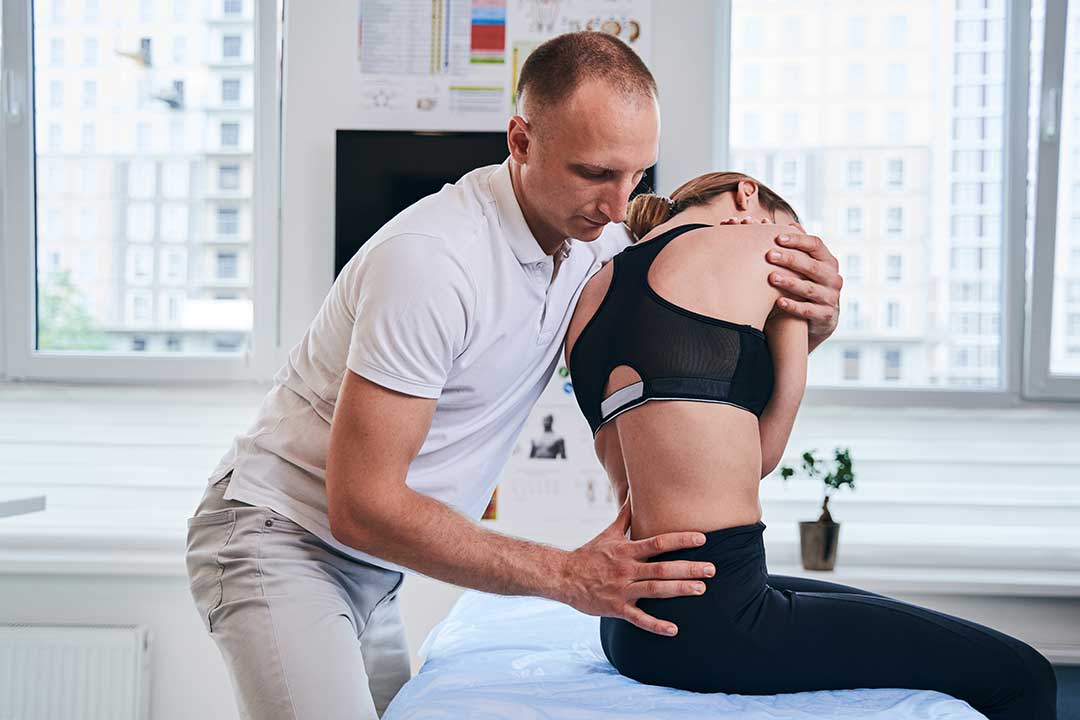
Depending on the findings, care may involve gentle joint mobilization, spinal manipulation, soft-tissue techniques, stretching, movement education, and exercises that build strength or improve coordination. These approaches are generally intended to reduce mechanical stress and restore comfortable movement. They are not appropriate for every person or every cause of pain.
A responsible evaluation should also consider whether symptoms are improving, staying the same, or becoming more concerning. Treatment should be adjusted if the pattern does not fit a straightforward musculoskeletal problem.
Can chiropractic treatment diagnose the source of all referred pain?
No. Referred pain can come from the spine or other musculoskeletal tissues, but it can also arise from internal organs, blood vessels, infection, inflammatory disease, or other conditions that require medical evaluation.
Pain that seems related to movement, improves with position changes, and occurs with local muscle or joint tenderness is more suggestive of a musculoskeletal source. However, that pattern alone cannot rule out every serious condition.
Imaging is not automatically needed for every episode of neck, back, or limb pain. It may be considered when there has been significant trauma, persistent or worsening symptoms, neurological changes, a history of cancer, suspected infection, or other findings that change the level of concern. Imaging results also need to be interpreted alongside the examination because common age-related changes do not always cause pain.
What symptoms require prompt medical attention?
Some symptoms should not be treated as routine muscle or joint pain. Prompt medical assessment is appropriate for:
- New or worsening weakness in an arm or leg
- Loss of bladder or bowel control
- Numbness around the inner thighs or groin
- Severe pain after a fall, collision, or other trauma
- Fever, unexplained weight loss, or feeling acutely ill
- Pain that is constant, severe at rest, or progressively worsening
- Chest pressure, shortness of breath, sweating, faintness, or pain spreading to the arm or jaw
- Abdominal pain, vomiting, blood in the urine, or other symptoms suggesting an internal medical problem
Emergency symptoms should be evaluated through emergency services rather than managed as a routine chiropractic complaint.
What can residents do while monitoring symptoms?
For mild symptoms that clearly follow an activity and are not accompanied by warning signs, relative movement is usually more helpful than prolonged bed rest. This may include short walks, changing positions regularly, and temporarily reducing the activity that aggravates the pain.
A warm shower or carefully applied cold pack may provide temporary comfort. Gentle movement should stay within a tolerable range; forcing a stretch or repeatedly testing a painful motion can increase irritation.
It can also help to record:
- Where the pain is felt and whether it travels
- What movements increase or reduce it
- Whether numbness, tingling, or weakness is present
- Recent changes in exercise, lifting, sleep, work, or household activity
- How symptoms change from morning to evening
This information can make the evaluation more precise and can help distinguish a temporary strain from a pattern that needs broader medical attention.
How long should referred pain last?
Many uncomplicated musculoskeletal episodes begin to improve over days to several weeks, although the timeline varies with the cause, activity level, sleep, stress, and general health. Pain that is not improving, repeatedly returning, or interfering with walking, work, sleep, or normal daily tasks deserves an appropriate clinical assessment.
The central point is that the location of pain is not always the location of the problem. Understanding that distinction can reduce confusion, prevent unnecessary self-treatment, and help identify when chiropractic care may be reasonable and when another type of medical evaluation is more appropriate.
