

What does chiropractic maintenance care mean?
Chiropractic maintenance care refers to occasional, ongoing visits after an initial pain or movement problem has improved. The purpose is generally to help a person maintain comfortable movement, manage recurring symptoms, and continue supportive habits such as exercise, stretching, and ergonomic changes.
It is different from treatment for a new or worsening injury. Maintenance care should be based on a person’s symptoms, function, health history, and response to care rather than an automatic schedule. Some people may find occasional care useful, while others may not benefit from continuing treatment once their symptoms have settled.
The term “maintenance” does not mean that spinal adjustments prevent every future problem. It also does not replace medical evaluation, strengthening, physical activity, or treatment for an underlying disease.
What benefits may maintenance care provide?
The most realistic potential benefit is support for movement and symptom control in people with recurring musculoskeletal discomfort. Research on spinal manipulation is strongest for certain types of low-back pain, while results vary depending on the cause, duration, and severity of symptoms.
Possible benefits include:
- Helping maintain spinal and joint mobility
- Reducing stiffness after periods of inactivity
- Supporting comfort during recurring episodes of uncomplicated back or neck pain
- Reinforcing better movement habits
- Providing guidance about posture, lifting, exercise, and daily activities
- Helping some people remain active with less reliance on medication
These benefits are not guaranteed, and maintenance care is not equally appropriate for every condition. A person whose discomfort is related to muscle weakness, nerve compression, arthritis, an inflammatory disease, or an injury may need a different or broader treatment plan.
Can regular adjustments prevent back pain?
There is not enough evidence to say that regular adjustments prevent all back pain. Some people with a history of recurring low-back pain may experience fewer or less disruptive episodes with individualized preventive care, but this should not be treated as a universal result.
Prevention usually depends on several factors working together:
- Regular walking or other tolerated physical activity
- Strengthening the hips, legs, and trunk
- Avoiding long periods of sitting without movement breaks
- Using safe lifting and carrying techniques
- Getting adequate sleep
- Managing work, household, and recreational loads gradually
- Addressing stress, which can increase muscle tension and pain sensitivity
For local residents, seasonal routines can also affect symptoms. Winter weather may lead to more time indoors, less walking, and increased stiffness. Snow or ice removal, carrying heavy bags, and sudden increases in outdoor activity can strain the back when the body is not prepared for them. Maintenance care, if used, works best alongside practical conditioning and activity habits.
How often is maintenance care needed?
There is no single schedule that applies to everyone. Visit frequency should be guided by goals and measurable changes, such as improved movement, fewer flare-ups, or better ability to perform ordinary activities.
A reasonable plan should be reassessed periodically. Useful questions include:
- Are symptoms becoming less frequent or less intense?
- Is movement or function improving?
- Are home exercises and activity changes helping?
- Do benefits last between visits?
- Are visits still necessary, or has the original problem resolved?
- Are new symptoms appearing that require a different evaluation?
A routine that continues without reviewing outcomes may provide little value. Maintenance care should not be presented as a lifelong requirement for every person.
Is chiropractic maintenance care safe?
For generally healthy adults, spinal manipulation is often associated with temporary effects such as soreness, stiffness, headache, or increased discomfort. These reactions commonly resolve within a short period, but they should still be reported if they are severe, persistent, or unusual.
Serious complications are rare, but they can occur. Risk may be higher for people with certain medical conditions, bone disorders, circulation problems, neurological symptoms, or a history of significant injury. Neck manipulation deserves particular caution because rare but serious complications involving blood vessels or the nervous system have been reported.
Before treatment, a complete health history should include:
- Osteoporosis or unusually fragile bones
- Cancer involving the spine
- Recent trauma
- Blood-clotting problems
- Use of blood-thinning medication
- Numbness, tingling, or weakness
- Previous spinal surgery
- Inflammatory or infectious conditions
- Pregnancy or other circumstances requiring modified care
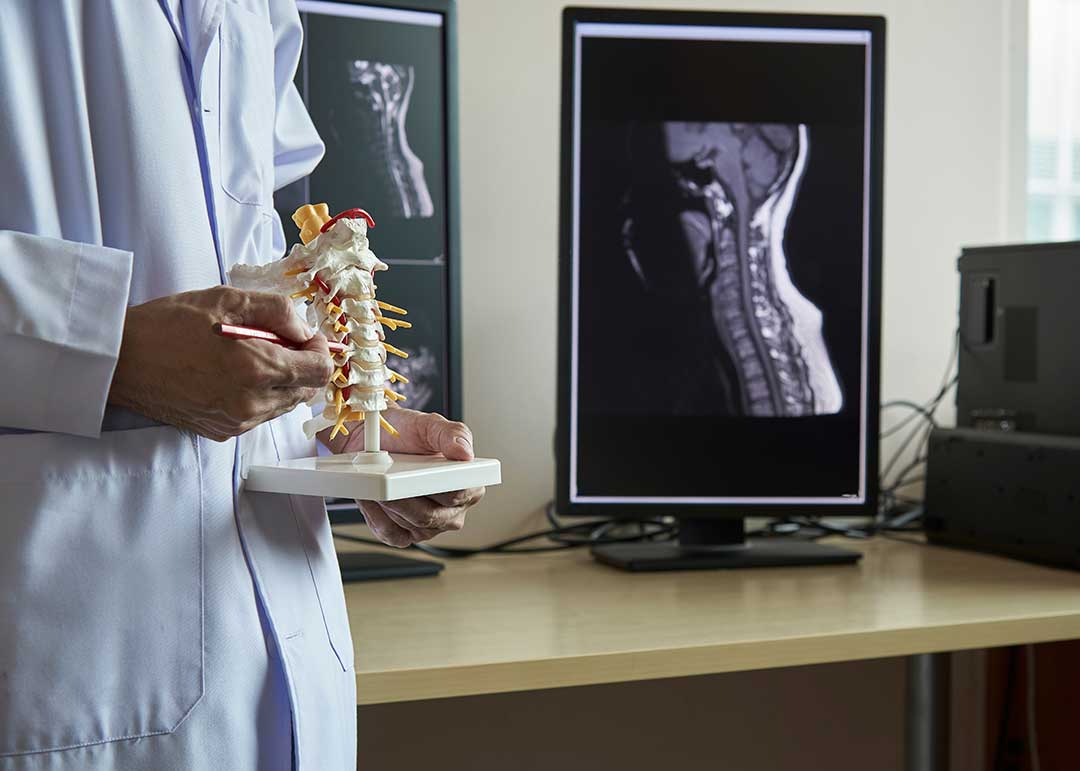
An adjustment should be postponed or avoided when symptoms suggest a condition that needs urgent medical assessment.
What symptoms are not appropriate for routine maintenance care?
Routine care is not a substitute for prompt evaluation when back or neck symptoms may involve the nerves, spinal cord, blood vessels, infection, or another serious condition.
Seek urgent medical attention for symptoms such as:
- New loss of strength in an arm or leg
- Loss of bladder or bowel control
- Numbness in the groin or inner thighs
- Severe pain after a fall, crash, or other trauma
- Fever with significant back pain
- Unexplained weight loss with persistent pain
- Severe, sudden headache or unusual neck pain
- Trouble speaking, facial drooping, dizziness, or loss of coordination
- Pain that is rapidly worsening or constant at rest
These warning signs require medical evaluation rather than routine adjustment-based care.
How does maintenance care fit with exercise and other treatment?
Maintenance care is most useful when it supports an active plan rather than replacing one. Manual treatment may temporarily improve comfort or mobility, making it easier to participate in strengthening, walking, stretching, or rehabilitation.
Exercise is especially important because lasting function depends on muscles, joints, balance, endurance, and confidence in movement. A person with recurring symptoms may benefit from learning how to pace activities, modify household tasks, and rebuild strength gradually.
Other forms of care may also be appropriate, including physical therapy, medical evaluation, behavioral pain strategies, medication management, or imaging when clinically indicated. These approaches are not competing explanations; they address different parts of a musculoskeletal problem.
What should residents ask before continuing care?
Before agreeing to an ongoing plan, it is reasonable to ask:
- What specific problem is this care intended to address?
- How will improvement be measured?
- What changes should occur between visits?
- What exercises or activity modifications should accompany treatment?
- How long should the plan be tried before reassessment?
- What symptoms would require a different type of medical care?
- Are there alternatives that may provide similar benefits?
Clear answers help distinguish individualized maintenance from a routine that continues mainly out of habit.
For many people, the practical value of chiropractic maintenance care lies in supporting movement and managing recurring discomfort—not in guaranteeing perfect spinal alignment or preventing every future injury. The most appropriate approach is individualized, periodically reviewed, and combined with active self-care and attention to warning signs.
