

Persistent back or joint pain does not always require surgery. For many people, especially those with uncomplicated low-back pain, a carefully planned combination of movement, rehabilitation, symptom management, and daily habit changes can reduce pain and improve function without an operation.
That does not mean surgery is never appropriate. The right choice depends on the cause of the pain, the severity of symptoms, how long they have lasted, and whether nerves or other body systems are affected.
What non-surgical care can realistically do
Non-surgical treatment usually aims to reduce pain, restore movement, improve strength, and help a person return to normal activities. It may not “repair” every structural finding seen on an X-ray or MRI, but imaging findings do not always match the level of pain or disability.
A treatment plan may include:
- Therapeutic exercise and progressive strengthening
- Physical rehabilitation focused on mobility, balance, and body mechanics
- Chiropractic care, including spinal mobilization or manipulation when appropriate
- Manual soft-tissue techniques
- Heat, cold, or short-term activity modification
- Acupuncture or massage for selected pain conditions
- Mindfulness, relaxation training, or cognitive behavioral strategies
- Medication reviewed with a qualified medical professional
For acute low-back pain, symptoms often improve over several weeks even without invasive treatment. Staying gently active is generally more helpful than prolonged bed rest, although activities that sharply increase pain may need to be reduced temporarily.
Can chiropractic care help avoid surgery?
Chiropractic care may be useful for some types of mechanical back pain, neck pain, and other musculoskeletal conditions. Spinal manipulation and mobilization have been associated with modest improvements in pain and function for certain adults with acute or chronic low-back pain.
The strongest role is usually as one part of a broader plan rather than as a stand-alone cure. Care may include an examination, movement assessment, mobility work, strengthening exercises, and advice about lifting, sitting, sleeping, or returning to activity.
A reasonable non-surgical approach should include progress checks. If pain, strength, walking ability, or daily function is not improving, the working diagnosis and treatment plan may need to be reconsidered.
Chiropractic treatment is not appropriate for every condition. A person with a fracture, infection, cancer-related pain, severe osteoporosis, significant nerve compression, or certain inflammatory disorders may need medical evaluation before manual treatment is considered.
Why exercise and rehabilitation matter
Exercise is one of the most consistently useful non-surgical tools for long-term back pain. The specific program should match the person’s symptoms and physical capacity.
Common elements include:
- Core and hip strengthening
- Gradual walking or low-impact aerobic activity
- Stretching for restricted joints or muscles
- Balance and coordination work
- Training in lifting, reaching, and transferring
- Gradual exposure to activities that have been avoided because of pain
A person who spends much of the day sitting, works in a physically demanding job, or manages household tasks in a compact home may need different strategies. For example, repeated stair use, lifting laundry baskets, shoveling after winter weather, and prolonged driving can all affect how symptoms behave.
Exercise should produce a manageable challenge, not a sharp increase in pain, new weakness, or spreading numbness. A rehabilitation professional can help adjust the pace when symptoms are complicated or persistent.
What about a herniated disc or sciatica?
A herniated disc does not automatically mean surgery. Many cases improve with time, activity modification, exercise, and symptom control. Treatment may focus on maintaining walking tolerance, improving spinal and hip movement, and reducing positions that aggravate the nerve.
Sciatica involves pain, tingling, numbness, or weakness that travels into the buttock or leg. It can be more serious than ordinary muscle soreness, particularly when weakness is progressing.
Non-surgical care may be reasonable when symptoms are stable and there is no major loss of strength or function. However, severe or worsening nerve symptoms deserve timely medical assessment. The goal is not to avoid surgery at all costs; it is to use the least invasive effective option while protecting nerve function.
Are injections or medication alternatives to surgery?
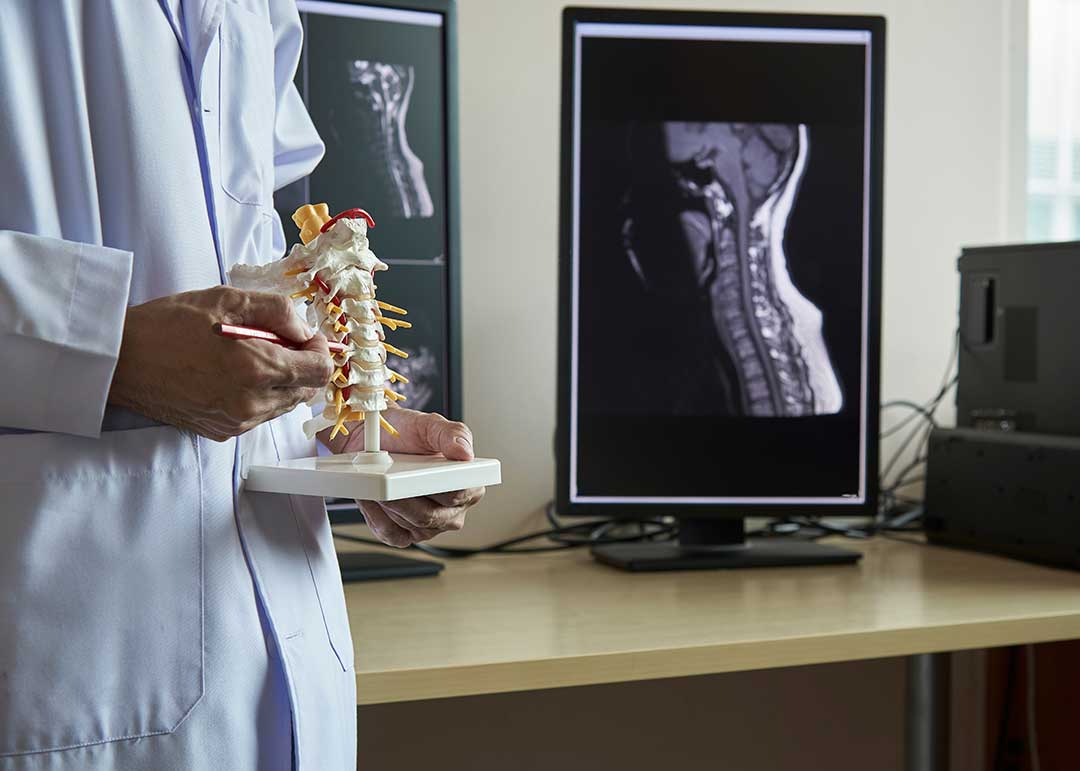
Injections and medication may sometimes reduce symptoms enough to make exercise and rehabilitation possible. Depending on the diagnosis, a medical professional may discuss anti-inflammatory medication, other pain-relieving options, or an injection near an irritated joint or nerve.
These treatments have limitations. Medication can cause side effects or interact with other prescriptions. Injections may offer temporary relief but do not always correct the underlying movement, strength, or work-related problem. They should be considered within a complete treatment plan rather than as an automatic substitute for rehabilitation.
People with kidney disease, stomach ulcers, blood-thinning medication use, pregnancy, or other health conditions should obtain individualized advice before using anti-inflammatory drugs.
How do sleep, stress, and daily habits affect recovery?
Pain is influenced by more than tissue damage. Poor sleep, fear of movement, ongoing stress, and repeated aggravating activities can make symptoms more persistent. These factors do not mean the pain is imaginary. They affect how the nervous system processes and responds to physical signals.
Helpful adjustments may include:
- Changing position regularly instead of remaining seated for hours
- Using brief movement breaks during work or driving
- Supporting a comfortable sleep position
- Returning to activity gradually rather than waiting for complete pain relief
- Using breathing or relaxation exercises during pain flares
- Keeping a simple record of activities that improve or worsen symptoms
Seasonal conditions can also affect daily movement. Slippery sidewalks, cold-weather stiffness, storm cleanup, and increased indoor sitting may change how residents use their backs and joints. Preparing for these tasks with pacing, proper footwear, and manageable loads can reduce avoidable strain.
When is surgery more likely to be necessary?
Surgery becomes more likely when there is a clear structural problem that matches the symptoms and non-surgical treatment has not restored acceptable function. It may also be considered when there is significant or progressive nerve damage, severe spinal instability, or a serious underlying condition.
Urgent evaluation is needed for new loss of bladder or bowel control, inability to urinate, numbness in the groin or saddle area, rapidly worsening leg weakness, or severe symptoms affecting both legs. Immediate medical attention is also appropriate after major trauma or when back pain occurs with fever, unexplained weight loss, a history of cancer, or significant immune suppression.
These warning signs should not be managed with exercise, manipulation, or home treatment alone.
How can someone judge whether non-surgical care is working?
Improvement is not measured only by whether pain disappears. Useful signs include walking farther, sleeping better, lifting safely, standing longer, returning to household activities, or needing fewer symptom-management strategies.
A practical plan should answer three questions:
1. What is the most likely source of the symptoms?
2. What changes should occur over the next few weeks?
3. What findings would require a different evaluation?
For local residents, the most useful care is generally the care that is based on a reasonable diagnosis, uses measurable goals, avoids unnecessary treatment, and recognizes when another medical opinion is needed. Non-surgical care can be effective, but it should remain responsive to the person’s symptoms rather than becoming a rigid effort to avoid surgery under every circumstance.
