
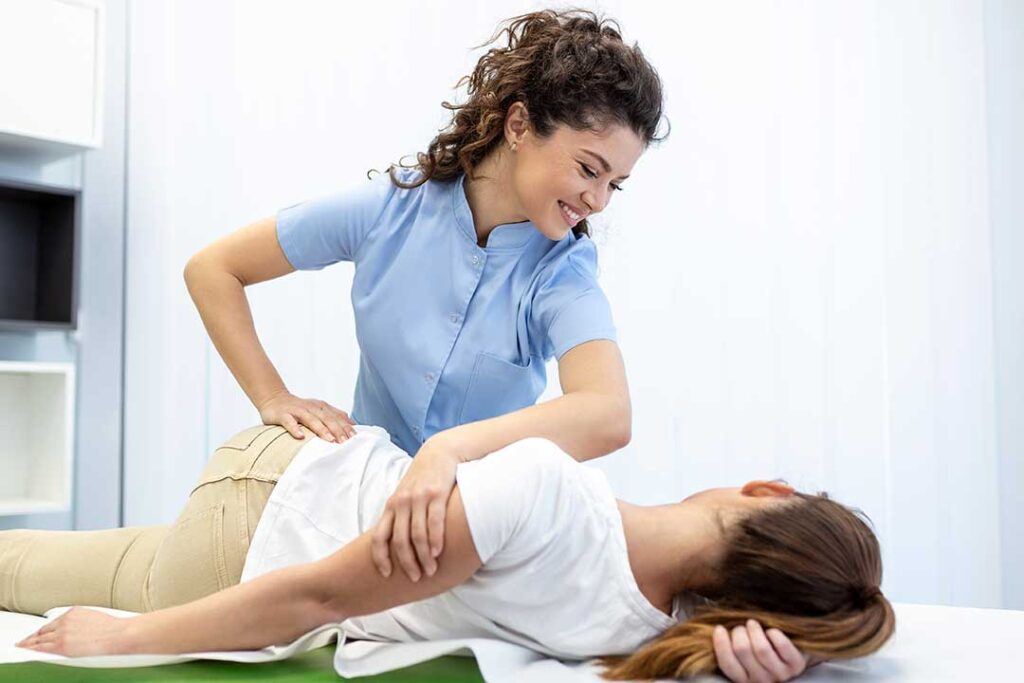
What is the Graston Technique?
The Graston Technique is a form of instrument-assisted soft-tissue mobilization, often abbreviated as IASTM. It uses smooth, handheld tools to apply controlled pressure and gliding movements to muscles, tendons, ligaments, fascia, and areas of scar tissue.
Although the technique is used in chiropractic, physical therapy, sports medicine, and rehabilitation settings, it is not the same as spinal manipulation. The instruments do not “realign” bones or directly correct a joint position. Instead, the goal is to influence how soft tissues move and how a person tolerates movement.
A typical session may include an examination of movement, hands-on treatment, stretching, strengthening, or advice about gradually returning to normal activity.
How is the treatment performed?
The skin is usually covered with a small amount of lotion or a similar medium to help the instrument glide. The clinician moves the tool over the affected area using different angles and levels of pressure.
Treatment may produce sensations such as:
- Mild scraping, pressure, or warmth
- Tenderness over a tight or sensitive area
- Temporary redness
- Small bruises or darker marks in some cases
The technique should not feel excessively sharp, burning, or intolerably painful. Discomfort during treatment does not necessarily mean that more benefit is being produced. A reasonable treatment approach adjusts pressure based on the person’s symptoms, skin response, medical history, and ability to move afterward.
In Lynbrook, seasonal activity patterns can influence why someone considers soft-tissue care. People may become more active during warmer months, return to recreational sports, spend more time gardening, or experience stiffness after long periods of indoor sitting during colder weather. Those changes can expose an existing mobility or loading problem, but they do not automatically mean that scar tissue or adhesions are the cause.
What conditions may be treated?
IASTM is sometimes included in care for muscle strains, tendon-related pain, limited joint motion, repetitive-use symptoms, and discomfort that develops after an injury. It may also be used around healed scars or areas that feel restricted during movement.
Common examples include:
- Calf, hamstring, or quadriceps tightness
- Tennis elbow-type symptoms
- Achilles or patellar tendon discomfort
- Shoulder and upper-back stiffness
- Plantar heel pain
- Restricted movement after an adequately healed injury
The treatment is generally directed at a specific soft-tissue or movement complaint rather than used as a general-purpose therapy for every type of pain.
A careful assessment remains essential. Similar symptoms can result from tendon irritation, nerve involvement, joint disease, stress fracture, infection, vascular problems, or other conditions that should not be treated with scraping or firm pressure alone.
Does it break up scar tissue?
The phrase “breaking up scar tissue” is commonly used to describe the technique, but it can be misleading. A handheld instrument cannot be assumed to physically shred or remove internal scar tissue. Soft tissues are living structures that respond to mechanical loading, movement, and gradual rehabilitation in complex ways.
Treatment may temporarily change sensitivity, muscle tone, or the way a person moves. It may also make an area feel less restricted for a period of time. Those effects can be useful, but they should not be presented as proof that adhesions have been mechanically broken apart.
For a mature surgical scar, treatment decisions should account for how completely the wound has healed, whether the scar is painful or raised, and whether there are signs of infection or abnormal healing.
What does research say about its effectiveness?
Research on instrument-assisted soft-tissue mobilization is mixed. Some studies report short-term improvements in pain, flexibility, or movement, while other reviews find that the overall evidence is limited, inconsistent, or low quality. Studies also use different instruments, pressures, treatment schedules, body regions, and comparison treatments, making broad conclusions difficult.
The most balanced interpretation is that the technique may help some people as one part of a broader rehabilitation plan, but it should not be viewed as a stand-alone cure. Exercise, gradual exposure to activity, sleep, workload changes, and education often play a more central role in lasting improvement.
An improvement immediately after treatment may reflect reduced sensitivity or temporary changes in movement rather than permanent tissue remodeling. Progress should therefore be judged by meaningful outcomes such as walking more comfortably, lifting with less difficulty, returning to exercise, or tolerating normal daily activities.
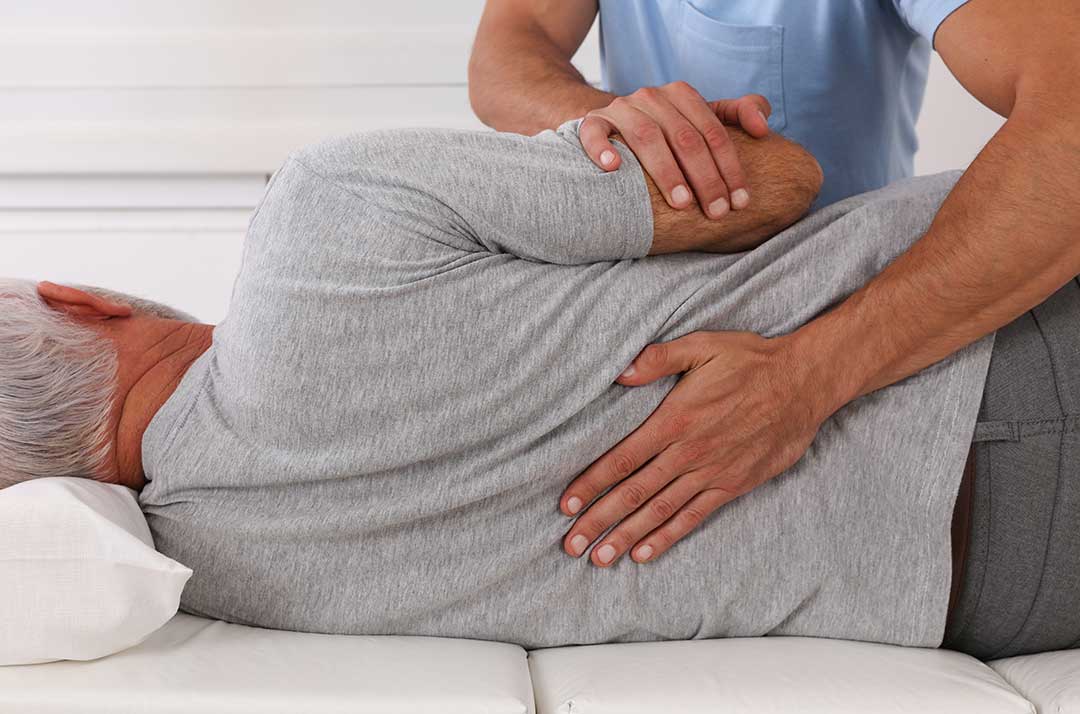
Is bruising expected?
Some redness or mild bruising can occur, but significant bruising is not required for the treatment to work. Bruising represents bleeding from small blood vessels under the skin. It is not reliable proof that damaged tissue has been removed or that healing has been accelerated.
People who bruise easily may experience more visible marks. Tenderness can last for a day or two, particularly after a first session or more vigorous treatment. Worsening pain, spreading redness, unusual swelling, numbness, weakness, fever, or skin breakdown deserves prompt medical attention.
Who should avoid or modify this technique?
Instrument-assisted treatment may not be appropriate over open wounds, active skin infections, unhealed surgical areas, acute fractures, or areas with unexplained swelling. Extra caution may be needed for people with bleeding disorders, reduced sensation, fragile skin, certain vascular conditions, or those taking medicines that increase bleeding risk.
Anyone using anticoagulant or antiplatelet medication should disclose that information before treatment. These medicines should never be stopped to receive soft-tissue care unless the prescribing clinician gives specific instructions.
People with unexplained severe pain, sudden weakness, loss of coordination, progressive numbness, bowel or bladder changes, chest symptoms, or major trauma need medical evaluation rather than routine soft-tissue treatment.
How does it fit with chiropractic care?
A chiropractor may use the Graston Technique as an adjunct to an individualized plan that can include joint mobility work, exercise, ergonomic changes, and activity modification. The instrument treatment addresses soft-tissue sensitivity or movement tolerance; it does not replace a diagnosis or automatically address the underlying cause.
For example, someone with recurring calf pain may need a review of walking volume, footwear, ankle strength, training changes, and nerve or circulation-related symptoms. Treating the calf alone may provide temporary relief while leaving the main contributing factor unchanged.
The most useful question is not whether the technique is inherently good or bad. It is whether the treatment has a clear purpose, is appropriate for the diagnosed problem, is tolerated by the individual, and is combined with a plan for restoring useful movement.
What should a resident ask before treatment?
Before receiving instrument-assisted care, it is reasonable to ask:
- What condition is being treated?
- What is the intended benefit?
- Are bruising or soreness likely in this case?
- Are there safer alternatives or complementary exercises?
- How will progress be measured?
- What symptoms would require stopping treatment?
- How does this fit into the overall rehabilitation plan?
A well-explained plan should include realistic expectations. For many musculoskeletal problems, the goal is not to eliminate every sensation during one session, but to improve function over time while avoiding unnecessary irritation.
