
What is “texting thumb”?
“Texting thumb” is a common term for thumb or wrist pain linked to repeated phone use. It is not a formal diagnosis, but the discomfort may involve irritated tendons, strained muscles, joint irritation, or pressure on sensitive nerves.
Pain often develops after frequent texting, scrolling, gaming, or holding a phone in one hand for long periods. The thumb may feel sore, tired, stiff, weak, or tender near its base. Some people notice discomfort along the thumb side of the wrist, especially when gripping, pinching, opening a container, or lifting a child.
In some cases, repetitive thumb and wrist movement contributes to de Quervain’s tenosynovitis, an irritation affecting tendons that travel along the thumb side of the wrist. Similar symptoms can also come from arthritis, a sprain, nerve irritation, or another hand condition, so persistent pain should not automatically be blamed on texting.
What are the early signs?
The first signs are often mild and appear during or after phone use. Early symptoms may include:
- Aching at the base of the thumb
- Tenderness along the thumb side of the wrist
- Stiffness after holding a phone
- Pain when scrolling, typing, or swiping
- Discomfort when turning a key or opening a jar
- A tired or weak feeling in the hand
- Occasional clicking, catching, or mild swelling
Pain that travels up the forearm, becomes more frequent, or begins interfering with sleep and ordinary tasks deserves closer attention. Numbness and tingling are less typical of simple tendon irritation and may point toward nerve involvement.
How can phone habits be changed?
The most useful adjustment is to reduce the amount of work performed by one thumb. Short breaks help, but changing the way the phone is held can matter just as much.
Try alternating hands, using both thumbs, or supporting the phone with one hand while typing with the other. A voice-to-text feature can reduce repeated thumb movement during longer messages. For reading or browsing, place the phone on a stable surface rather than holding it continuously.
Keep the wrist in a neutral, fairly straight position. Bending the wrist sharply while gripping the device can increase stress through the thumb and wrist. Avoid pressing hard on the screen; most phones respond to light contact.
A practical routine is to pause every 10 to 15 minutes during extended use. Let the arms rest at the sides, gently open and close the hands, and move the wrists through a comfortable range. The goal is not forceful stretching. Movement should feel easy rather than sharp or painful.
What can help during a flare-up?
For a recent increase in soreness, temporarily reduce the activities that clearly trigger pain. This may mean limiting long texting sessions, gaming, scrolling, or repeated gripping for several days.
A cold pack wrapped in a thin towel may help calm pain and swelling. Apply it for about 15 to 20 minutes at a time, leaving several hours between applications. Do not place ice directly on the skin.
A thumb-supporting brace may also help for short periods, particularly during sleep or activities that normally aggravate symptoms. A brace should support the thumb and wrist without causing numbness, color changes, throbbing, or increased pain. Wearing a brace continuously for long periods without guidance can lead to stiffness, so gentle comfortable movement remains useful.
Over-the-counter pain medicine or anti-inflammatory gel may be appropriate for some adults, but these options are not safe for everyone. People with a history of stomach ulcers, kidney disease, blood-thinning medication use, medication allergies, pregnancy, or other health concerns should ask a pharmacist or medical clinician before using them.
Are stretches and exercises safe?
Gentle motion is usually preferable to aggressive stretching. If movement causes sharp pain, stop and return to a smaller, easier range.
A simple exercise is to rest the forearm on a table, keep the wrist relaxed, and slowly move the thumb away from the fingers and back again. Another option is to gently open the hand, spread the fingers, and relax. These movements should not produce increasing pain afterward.
Strengthening exercises should wait until everyday motion is more comfortable. Using a rubber band or firm ball too soon can increase irritation, especially if the thumb is already swollen or painful. A chiropractor, physical therapist, occupational therapist, or other qualified clinician may help identify which movements are appropriate when symptoms do not settle with basic care.
What local habits may contribute?

Many households in Lynbrook, NY combine phone use with commuting, schoolwork, remote work, caregiving, and household tasks. That combination can create long periods of gripping and scrolling without a clear rest break.
Cold weather may also encourage people to keep their hands tightly wrapped around a phone outdoors or use one hand while wearing gloves. Stiffness from cold exposure is not the same as tendon injury, but gripping more forcefully can make an already irritated thumb feel worse. Warming the hands gradually and loosening the grip may help.
Home projects, lifting packages, carrying bags, cooking, and repeated use of hand tools can add to the same strain. If symptoms began after a weekend of heavy gripping rather than phone use alone, the thumb may need a broader assessment of all recent activities.
When should thumb pain be evaluated?
Arrange medical evaluation if pain is worsening, keeps returning, or has not improved after roughly two weeks of reasonable self-care. Evaluation is also appropriate when symptoms interfere with dressing, writing, driving, work, sleep, or other normal activities.
Prompt attention is warranted after a fall or direct injury, especially if the thumb looks deformed, swelling is substantial, movement is severely limited, or the hand feels unusually cold or discolored. Numbness, persistent tingling, loss of strength, or inability to grip should also be assessed.
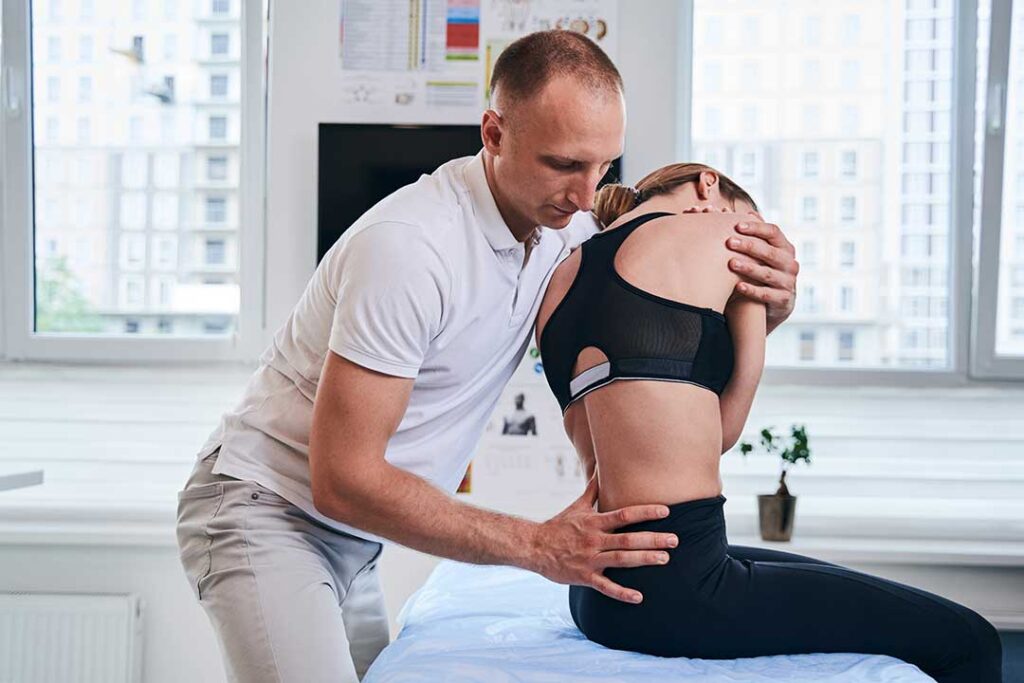
A healthcare professional may examine the thumb, wrist, grip, range of motion, and nerve function. Depending on the findings, care may include activity changes, a properly fitted splint, exercises, manual treatment, medication guidance, or referral for additional evaluation. Chiropractic care may address related wrist, forearm, shoulder, or posture factors, but thumb pain should first be evaluated in context rather than assumed to have one cause.
How can the problem be prevented?
Prevention depends less on avoiding phones completely and more on reducing concentrated, repetitive stress.
- Change hands regularly instead of relying on the dominant thumb.
- Use voice-to-text for longer messages.
- Support the phone on a table or stand.
- Keep the wrist relatively straight.
- Take brief movement breaks during extended use.
- Avoid gripping the device tightly.
- Stop an activity before soreness becomes sharp or persistent.
- Vary household, work, and recreational tasks when possible.
A thumb that feels mildly tired after heavy use may simply need rest and better positioning. Pain that continues, spreads, or affects strength is a reason to look beyond phone habits and seek an appropriate evaluation.
