

What is “texting thumb”?
Texting thumb is a common name for pain and irritation caused by repeated thumb and wrist movements, especially swiping, tapping, gripping, and holding a phone in one hand. In some cases, the symptoms resemble De Quervain’s tenosynovitis, an irritation of the tendons on the thumb side of the wrist.
The problem is not limited to texting. Similar strain can come from scrolling, gaming, typing on a small device, carrying a child, gardening, knitting, opening jars, or doing repetitive household tasks. During colder months, people may also spend more time indoors using phones, tablets, and gaming devices, which can quietly increase the total amount of thumb activity.
What does texting thumb feel like?
Pain usually appears near the base of the thumb or along the thumb side of the wrist. It may begin as soreness after phone use and gradually become more noticeable during everyday movements.
Common symptoms include:
- Pain when texting, swiping, gripping, or turning a key
- Tenderness or mild swelling near the thumb-side wrist
- Stiffness after rest or first thing in the morning
- A catching, clicking, or pulling sensation
- Pain when lifting a mug, carrying a bag, or picking up a child
- Reduced grip strength
- Discomfort that travels a short distance up the forearm
Pain that is severe, sudden, associated with an injury, or accompanied by marked swelling should not automatically be blamed on phone use. A wrist sprain, fracture, arthritis, nerve irritation, or another tendon problem can feel similar.
How can phone use be adjusted right away?
The most useful first step is to reduce the movements that reproduce the pain. Complete inactivity is not always necessary, but repeatedly pushing through sharp or increasing pain can prolong irritation.
Try these changes:
- Hold the phone with both hands and alternate which thumb performs taps and swipes.
- Use the index finger for scrolling or typing when the thumb is sore.
- Use voice-to-text for longer messages.
- Rest the phone on a table, pillow, or stand instead of gripping it continuously.
- Keep the wrist in a relaxed, mostly straight position rather than bending it toward the little-finger side.
- Reduce rapid gaming, prolonged scrolling, and repeated one-handed use for several days.
- Break phone sessions into shorter periods instead of using the device continuously.
A useful rule is to stop or modify an activity if discomfort becomes sharper while doing it or remains noticeably worse later that day.
Should ice or heat be used?
Cold is generally more helpful when the area feels recently irritated, swollen, or warm. A cold pack wrapped in a thin towel can be applied to the painful area for about 10 to 15 minutes. Do not place ice directly on the skin, and stop if the skin becomes numb, very pale, or painful.
Heat may feel comfortable when the hand and wrist are stiff without swelling, particularly before gentle movement. Heat does not correct the underlying strain, so it should not be used to make it easier to continue a painful activity.
If circulation or sensation is reduced in the hand, cold and heat should be used cautiously. People with conditions affecting sensation may not notice skin injury promptly.
Does a thumb brace help?
A brace that supports both the thumb and wrist can reduce painful movement and give irritated tendons time to settle. A simple wrist-only brace may not be enough if thumb motion triggers symptoms.
The brace should feel supportive rather than tight. Fingers should remain warm and normally colored, without tingling or increasing numbness. Wearing a brace continuously for long periods without guidance may lead to stiffness, so it should not be treated as a permanent solution.
A brace is most useful when combined with activity changes. Wearing one while continuing hours of painful scrolling may provide limited benefit.
What gentle exercises are safe?
Early in the flare-up, the priority is comfortable movement rather than strengthening. Slowly open and close the hand, move the fingers, and gently rotate the forearm within a pain-free range. These movements help prevent stiffness.
Avoid forceful thumb stretches, deep massage directly over a swollen tendon, rubber-band strengthening, or repeated “testing” of the painful motion. Exercises should not cause sharp pain or leave the wrist more irritated afterward.
Once daily activities are comfortable again, gradual strengthening may be appropriate. A physical or occupational therapist can help determine which exercises fit the specific condition, especially when symptoms persist or return repeatedly.
Can over-the-counter pain medicine be used?
Some people use acetaminophen or anti-inflammatory medicines such as ibuprofen or naproxen for short-term relief. These medicines are not appropriate for everyone. Anti-inflammatory drugs may be unsafe with certain stomach, kidney, heart, blood pressure, bleeding, pregnancy, or medication-related concerns.
A pharmacist or healthcare professional can help review whether a medication is suitable and how it should be used. Pain relief should not be used to mask symptoms while continuing the activity that caused the flare-up.
When should a person seek medical evaluation?
Evaluation is reasonable when pain does not begin improving after several days of activity modification, or when symptoms interfere with work, sleep, driving, cooking, or personal care. Persistent thumb-side wrist pain may need a more specific diagnosis because several conditions can resemble texting thumb.
Prompt medical attention is appropriate for:
- A fall, direct blow, or other injury
- Significant swelling, deformity, or bruising
- Inability to move the thumb or wrist normally
- Numbness, weakness, or loss of coordination
- Redness, warmth, fever, or drainage
- Pain that is severe or rapidly worsening
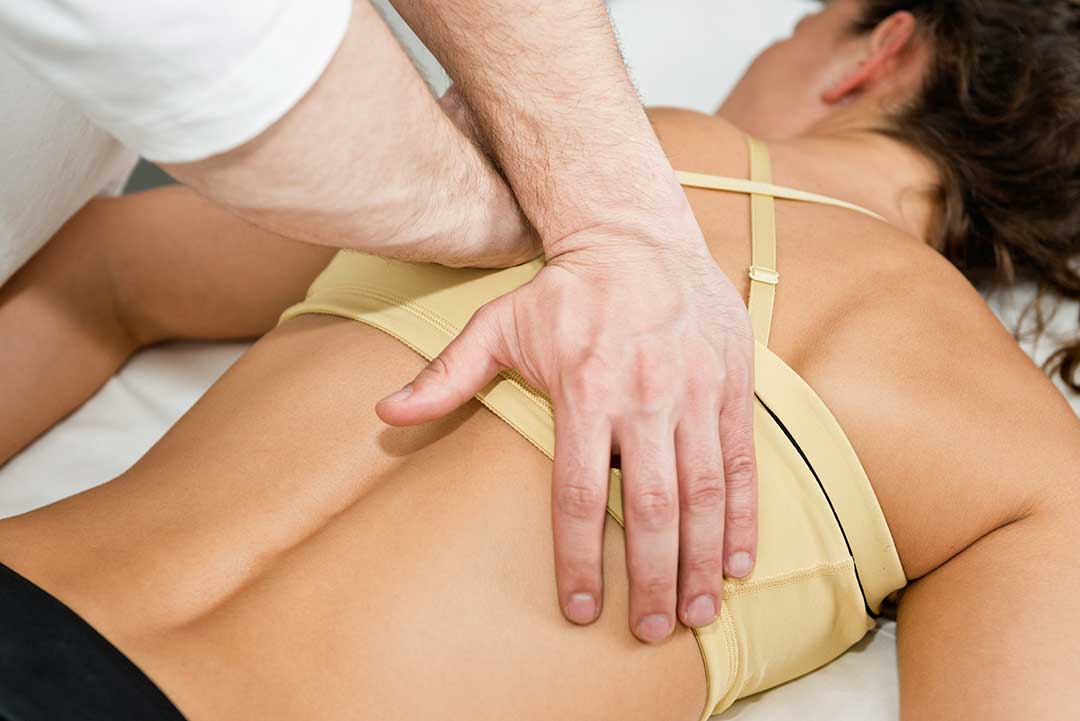
A chiropractor may assess movement patterns and musculoskeletal contributors, but tendon pain is not always a chiropractic problem. Depending on the findings, evaluation by a primary care clinician, hand specialist, physical therapist, or occupational therapist may be more appropriate. The key is matching the evaluation to the symptoms rather than assuming every thumb problem has the same cause.
How can texting thumb be prevented?
Prevention depends more on changing the total pattern of use than on finding a single perfect hand position. Rotate tasks, use both hands, and take brief breaks before discomfort builds.
For residents balancing commuting, desk work, home responsibilities, and seasonal activities such as shoveling, gardening, or carrying heavier items, thumb strain may come from several sources in the same week. Pay attention to the combined load rather than blaming only phone use.
A practical routine includes:
- Changing hand position regularly
- Keeping the phone at a comfortable height instead of bending the wrist
- Using larger devices or a keyboard for extended writing
- Taking movement breaks every 20 to 30 minutes during long sessions
- Avoiding tight gripping when the device can rest on a surface
- Resuming heavier hand activities gradually after pain improves
- Not ignoring recurring pain that returns each time the thumb is used
Texting thumb usually improves when irritated tissues are given less repetitive stress and enough time to recover. If the pain persists, spreads, or affects strength and sensation, an accurate examination is more useful than continuing to experiment with stretches or devices.
