
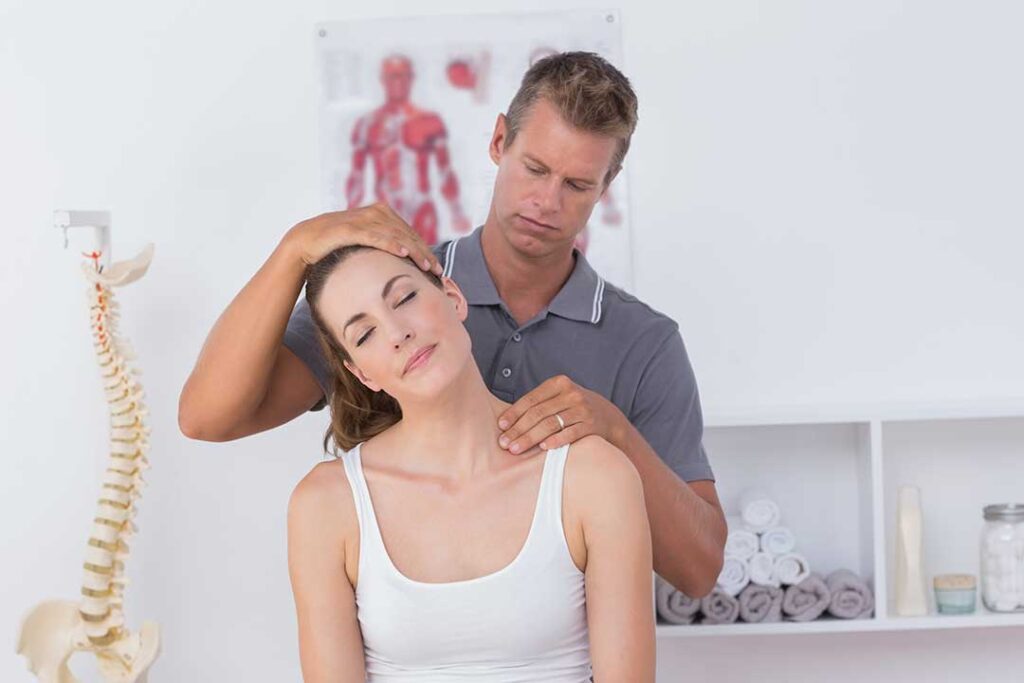
What does mobility mean, and why does it matter?
Mobility is the ability to move a joint or body region comfortably through a useful range of motion. For residents of Lynbrook, NY, that can mean getting up from a chair, walking on uneven sidewalks, reaching into a cabinet, turning to check traffic, or moving safely through a home during icy or wet weather.
Mobility is different from flexibility alone. Flexibility describes how far a muscle or joint can move, while mobility also involves strength, balance, coordination, and control. A person may be flexible but still have difficulty squatting, stepping over an obstacle, or rotating the upper back.
A short routine performed consistently can help reduce stiffness associated with prolonged sitting, commuting, desk work, household chores, and limited winter activity. These exercises are intended for general movement practice, not to diagnose or treat a specific injury.
How should a person warm up before mobility exercises?
Begin with five to ten minutes of easy movement. The goal is to raise body temperature slightly without causing fatigue.
Try one or two of these options:
- Walk around the home at a comfortable pace.
- March slowly in place while holding a stable surface.
- Circle the shoulders gently forward and backward.
- Open and close the hands several times.
- Perform small ankle circles while seated.
Warm muscles usually move more comfortably than cold muscles. Mobility exercises should feel controlled and mild to moderate, not forced. Avoid bouncing into a stretch or trying to reach the maximum possible range.
Which at-home exercises can help the neck and upper back?
Gentle neck and upper-back movements are useful for people who spend long periods looking down at phones, working at a computer, reading, or driving.
Chin tucks
Sit or stand tall with the eyes level. Without looking down, draw the head gently backward as if making a small “double chin.” Hold for three to five seconds, then relax.
Repeat five to ten times. The movement should come from the head gliding backward, not from tipping the chin toward the chest.
Shoulder blade movements
Let the arms rest by the sides. Gently draw the shoulder blades slightly back and down, without shrugging. Hold for three seconds, then release.
Repeat eight to twelve times. This should feel like a posture reset rather than a hard strengthening exercise.
Seated upper-back rotation
Sit with both feet on the floor. Cross the arms over the chest or place the hands lightly on the shoulders. Turn the upper body slowly to one side, return to center, and repeat on the other side.
Complete five repetitions per side. Keep the movement comfortable and avoid twisting forcefully through the lower back.
What movements can loosen the hips and lower body?
The hips, ankles, and legs affect walking, stairs, squatting, and balance. Lower-body mobility work is especially useful after sitting for a long time or before outdoor activity.
Chair-supported hip shift
Stand behind a sturdy chair and hold it lightly. Step one foot back, keeping both feet pointed forward. Bend the front knee slightly and shift the hips forward until a gentle stretch is felt near the front of the back leg or hip.
Hold for 15 to 30 seconds, then switch sides. Keep the back upright rather than arching.
Sit-to-stand
Use a stable chair that will not slide. Sit near the front edge with the feet about hip-width apart. Lean forward slightly, press through the feet, and stand. Slowly lower back down.
Begin with five repetitions. Use the hands on the chair or thighs if needed. This exercise combines hip, knee, and ankle movement with practical leg strength.
Ankle mobility
While seated or standing with support, lift one foot slightly and slowly move the ankle in circles. Make five circles in each direction, then switch sides.
Ankle movement can be helpful after long periods in shoes or after walking on uneven ground. The motion should come from the ankle rather than the entire leg.
Can mobility exercises help with balance?
Balance practice can support confidence during daily activities, but it should be performed next to a counter, sturdy table, or heavy chair. Do not practice standing on one leg in an open area where a fall could occur.
Supported single-leg stand
Hold the support with one or both hands. Shift weight onto one foot and lift the other foot only a small distance from the floor. Hold for five to ten seconds, then switch sides.
Repeat two or three times per side. As control improves, use a lighter touch rather than removing support completely.
Heel-to-toe walking
Stand beside a counter. Place one foot directly in front of the other, as if walking along a narrow line. Take five to ten slow steps while keeping one hand near the support.
Stop if dizziness, leg weakness, or loss of control develops. Balance exercises are not a test of willpower; they should be adjusted to the person’s current ability.
How often should these exercises be done?
A practical starting point is five to ten minutes most days of the week. The full routine does not need to be completed all at once. Two or three minutes of movement during a work break, after sitting, or before household tasks can be useful.
General physical activity guidelines also support combining mobility with walking, muscle-strengthening activity, and balance practice. Stretching by itself does not replace aerobic or strengthening exercise. Gradual consistency matters more than performing an intense routine occasionally.
A simple weekly pattern might include:
- Gentle mobility most days.
- Strengthening movements, such as sit-to-stands, at least twice weekly.
- Walking or another comfortable aerobic activity on several days.
- Balance practice two or three times weekly, using support as needed.
What should a person avoid?
Mobility exercises should not cause sharp, electric, burning, or escalating pain. Mild tension, stiffness, or muscular effort may be acceptable, but pain that lingers or worsens afterward is a reason to reduce the range, decrease repetitions, or stop.
Avoid:
- Fast, jerking movements.
- Bouncing during stretches.
- Holding the breath.
- Locking the knees or elbows forcefully.
- Exercising on a slippery floor.
- Performing balance drills without nearby support.
- Continuing through numbness, unusual weakness, dizziness, or loss of coordination.
The home environment matters. Clear loose rugs and clutter, use adequate lighting, and choose supportive footwear when practicing standing exercises. Seasonal moisture, snow, and tracked-in water can make indoor floors hazardous, so the exercise area should be dry and stable.
When is medical guidance appropriate?
A person should seek medical guidance before starting or changing exercise if there is a recent fall, significant injury, unexplained swelling, fever, severe joint pain, chest discomfort, fainting, or a known condition that limits movement.
Prompt evaluation is particularly important for new weakness, progressive numbness, loss of bladder or bowel control, severe headache, or pain following major trauma. These symptoms are not typical signs of ordinary stiffness.
For routine mobility work, the safest approach is to move slowly, stay within a comfortable range, and increase repetitions gradually. Exercises should support daily function rather than leave the body feeling strained or aggravated.
