

Living with stiffness, reduced flexibility, or recurring aches can make ordinary activities—walking to the train, climbing stairs, gardening, or getting out of a chair—feel more difficult than they should. Natural mobility strategies focus on restoring comfortable movement through regular activity, strength, balance, posture, recovery, and attention to warning signs.
These approaches may support general musculoskeletal health, but they are not a substitute for medical evaluation when pain is severe, persistent, or accompanied by other concerning symptoms.
What does mobility really mean?
Mobility is the ability to move a joint or body region through a useful range of motion with control and reasonable comfort. It is different from flexibility alone.
Flexibility describes how far a muscle or joint can be stretched. Mobility also includes strength, balance, coordination, joint control, and confidence. For example, a person may be able to stretch the hips while lying down but still struggle to squat, climb steps, or stand from a low chair.
Good mobility supports:
- Walking with a natural stride
- Reaching overhead
- Turning the neck while driving
- Bending to put on shoes
- Rising from a chair
- Carrying groceries or household items
- Maintaining balance on uneven ground
Mobility often changes gradually with age, previous injuries, long periods of sitting, stress, sleep disruption, and reduced physical activity.
Which daily habits can improve movement?
The most reliable natural approach is frequent, moderate movement rather than occasional intense exercise. Joints and muscles generally respond better to consistent activity that is increased gradually.
A practical daily routine may include:
- Five to ten minutes of easy walking after prolonged sitting
- Gentle neck, shoulder, hip, and ankle movements
- Standing up at least once every 30 to 60 minutes
- Light strengthening exercises two or more days each week
- Balance practice near a stable counter or wall
- Comfortable breathing during stretching and exercise
Residents in Lynbrook may spend significant time commuting, sitting at desks, driving, managing household tasks, or walking through changing seasonal conditions. Breaking up sedentary periods can be especially useful during colder months, when outdoor activity may decrease and people may remain indoors for longer stretches.
The goal is not to eliminate every sensation of stiffness. The goal is to help the body tolerate ordinary movement more comfortably and reliably.
What exercises are helpful for stiff joints?
The right exercises depend on the source of stiffness, but several low-impact options are commonly useful for general mobility.
Walking: Begin with a pace that allows conversation. Short walks performed more often may be easier to maintain than a single long walk.
Sit-to-stand practice: From a stable chair, rise slowly and sit down with control. Use the hands only as needed. This supports leg strength and everyday independence.
Heel raises: Holding a counter, rise onto the balls of the feet and lower slowly. This works the calves and supports ankle function.
Wall-supported shoulder movements: With the back near a wall, gently slide the arms upward only as far as comfortable. Avoid forcing the shoulders.
Hip movements: Holding a sturdy surface, move one leg forward, backward, and slightly to the side without leaning the trunk.
Balance practice: Stand near support with feet together or slightly apart. Progress only when the position feels secure.
A mild pulling sensation during stretching can be normal. Sharp pain, increasing numbness, joint locking, or a noticeable loss of strength is a reason to stop and reassess.
Is stretching enough to improve mobility?
Stretching can help, but it is rarely sufficient by itself. Mobility improves more consistently when stretching is combined with strength and controlled movement.
Static stretching—holding a position for a period of time—may feel useful after activity or when a muscle group feels tight. Before exercise, gentle movement such as marching, arm circles, or slow bodyweight practice may prepare the body more effectively than long holds.
Stretching should not be forced. Stronger is not necessarily better, and pushing repeatedly into pain can irritate a joint or surrounding tissue. Slow breathing and relaxed movement usually produce a better response than bouncing or straining.
If a joint repeatedly feels restricted in the same direction, the limitation may involve more than muscle tightness. Previous injury, arthritis, nerve irritation, or changes within the joint can also affect movement.
How do strength and posture affect mobility?
Strength gives the body the control needed to use its available range of motion. Weakness in the legs, hips, trunk, or upper back can make movement feel unstable even when flexibility is adequate.
Helpful strength patterns include:
- Controlled squats to a chair
- Step-ups on a secure, low step
- Wall push-ups
- Resistance-band rows
- Gentle trunk stabilization exercises
- Carrying light objects with an upright, relaxed posture
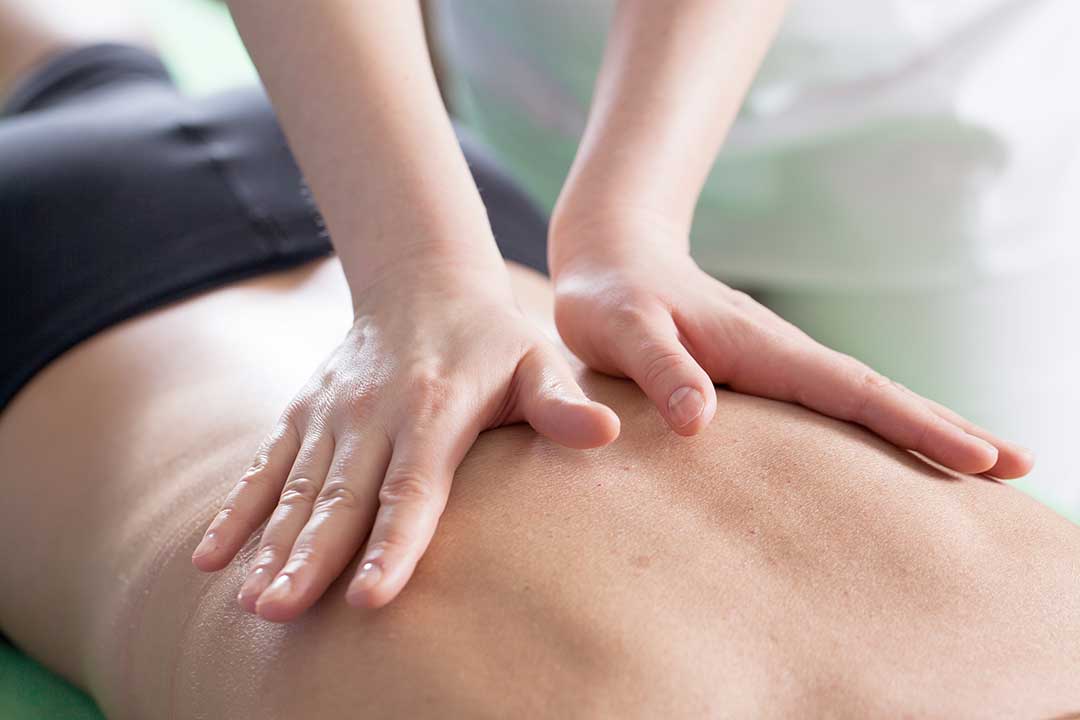
Posture should be viewed as adaptable rather than rigid. There is no single perfect position that must be maintained all day. Problems often arise when the body stays in one position for too long.
During desk work or screen use, a useful setup includes:
- Feet supported on the floor
- The screen near eye level
- Shoulders relaxed rather than lifted
- Elbows close to the body
- Regular changes in position
For household work, alternating tasks and avoiding prolonged bending or twisting may reduce strain. Lifting is usually easier when the load is kept close to the body and moved with the hips and legs rather than by twisting through the lower back.
Can walking, sleep, and nutrition influence mobility?
Yes. Mobility is affected by whole-body health, not only by joints and muscles.
Walking supports circulation, leg strength, coordination, and confidence. Sleep gives tissues and the nervous system time to recover. Poor sleep can also increase sensitivity to discomfort and reduce motivation to move.
Nutrition supports muscle and bone health. Regular meals containing adequate protein, along with a varied diet, can help maintain strength. Hydration is also relevant, especially during warm weather or prolonged activity, although drinking more water alone will not correct a mechanical movement problem.
Maintaining a healthy body weight may reduce stress on weight-bearing joints, but mobility should not be framed solely as a weight issue. Strength, activity habits, prior injury, joint health, and access to safe movement all matter.
When should stiffness or pain be evaluated?
Some soreness after unfamiliar activity is temporary. Symptoms deserve more careful attention when they are persistent, worsening, or interfering with normal function.
Prompt medical evaluation is appropriate for mobility problems involving:
- Sudden or severe pain
- Inability to bear weight
- A visibly deformed or swollen joint after injury
- New weakness, numbness, or loss of coordination
- Loss of bladder or bowel control
- Fever, unexplained weight loss, or feeling acutely unwell
- Pain following a significant fall or collision
- Symptoms that repeatedly wake a person at night
A gradual problem that continues for several weeks, causes limping, or limits work and household activities also warrants assessment. The purpose is to identify the likely source and determine whether exercise, rehabilitation, medication, imaging, or another approach is appropriate.
How can mobility work become a sustainable habit?
A sustainable plan is specific, modest, and easy to repeat. Rather than trying to complete a demanding routine immediately, choose a few movements that fit normal life.
For example, a person might walk for ten minutes after dinner, perform five controlled sit-to-stands after brushing their teeth, and complete gentle shoulder and ankle movements during work breaks. Tracking comfort, walking tolerance, and daily function can be more useful than focusing only on flexibility measurements.
Progress may mean walking farther, turning more easily, using fewer hand supports, recovering faster after activity, or feeling more confident on stairs. Mobility improvements are often measured by what becomes easier in daily life.
The safest natural programs respect current ability, increase activity gradually, and distinguish ordinary effort from symptoms that signal a need to stop.
