
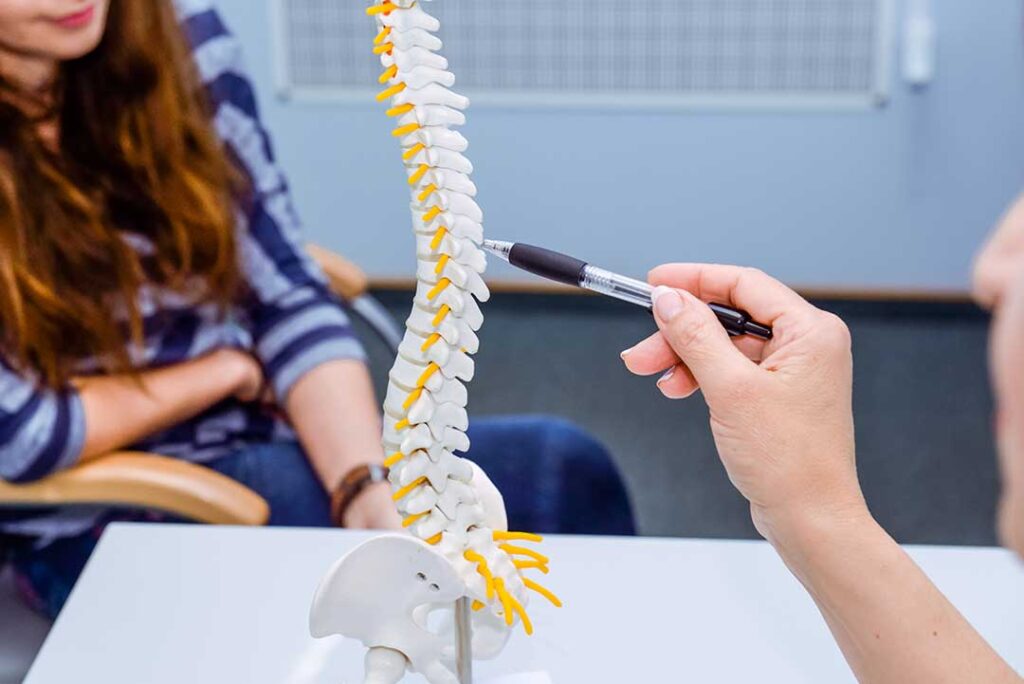
Weather can influence how joint pain feels, especially for people with osteoarthritis, previous injuries, or recurring stiffness. The effect is usually modest and varies from person to person, but changes in temperature, humidity, air pressure, and daily activity may all contribute to flare-ups.
Why can weather changes make joints hurt more?
Weather does not usually damage a joint overnight. Instead, environmental changes may affect pain sensitivity, muscle tension, swelling, and how easily a person moves.
Joints affected by arthritis or past injury can become more sensitive to changes around them. Cold temperatures may cause muscles and connective tissues to tighten. Higher humidity and shifts in barometric pressure may also make existing discomfort feel more noticeable, although the exact biological explanation is not fully established.
Research has found associations between weather conditions and osteoarthritis symptoms, particularly pain related to the knee, hand, and hip. However, the relationship is not identical for everyone. Some people notice symptoms before rain, while others respond more strongly to cold, damp conditions or sudden temperature changes.
Does cold weather increase joint stiffness?
Cold weather commonly makes joints feel stiffer, particularly after periods of inactivity. Muscles may contract slightly in response to cold, and people often move less during colder months. That combination can make the first steps in the morning or the first movements after sitting feel uncomfortable.
In Lynbrook, winter conditions may include cold air, wind, damp sidewalks, and indoor heating. Residents may spend more time sitting indoors, driving, or limiting outdoor activity. These changes in routine can contribute to stiffness even when the temperature itself is not the only cause.
A gradual warm-up can help. Before walking outdoors or beginning household tasks, try a few minutes of gentle movement:
- Slowly bend and straighten the knees.
- Roll the shoulders and ankles.
- Walk around the home at an easy pace.
- Perform comfortable range-of-motion movements without forcing a joint.
Warm clothing can also help reduce muscle tightening. Keeping the hands, knees, feet, and lower back warm may be especially useful for people who notice symptoms during cold spells.
What role do humidity and rain play?
Humidity may affect how joint pain is perceived, especially when temperatures are also low. Damp air can make cold feel more penetrating, and some people describe increased aching or stiffness during wet weather.
Rain itself does not cause arthritis or create new joint damage. A rainy day may, however, coincide with several factors that influence pain:
- Lower temperatures
- Increased humidity
- Reduced outdoor activity
- More time in one position
- Changes in sleep, mood, or routine
- Slippery surfaces that alter walking patterns
Rainfall is sometimes blamed for pain that may actually be related to inactivity. Sitting for long periods during a storm can cause the hips, knees, back, and shoulders to stiffen. Brief movement breaks may be more helpful than complete rest.
Can barometric pressure affect pain?
Barometric pressure is the weight of the atmosphere. It changes as weather systems move through an area. Some studies have found a connection between pressure changes and osteoarthritis pain, while other research has found weak or inconsistent results.
One possible explanation is that pressure changes may slightly affect tissues surrounding an already sensitive joint. Another possibility is that people with chronic pain are more aware of symptoms when weather conditions change. At present, it is more accurate to say that pressure changes may influence symptoms in some individuals, not that they reliably cause pain for everyone.
Keeping a simple symptom record can help identify personal patterns. For two or three weeks, note:
- The joint that hurts
- Pain intensity from zero to ten
- Morning stiffness duration
- Temperature and humidity conditions
- Recent activity levels
- Sleep quality
- Any unusual swelling or injury
This can reveal whether weather is truly a consistent trigger or whether pain is more closely related to activity, stress, sleep, or prolonged sitting.
Why does joint pain sometimes worsen during seasonal transitions?
Spring and autumn often bring rapid changes in temperature, wind, humidity, and outdoor activity. These transitions can be harder on the body than a stable period of cold or warmth.
During warmer months, people may suddenly increase walking, gardening, yard work, recreational activity, or home projects. A joint that tolerated winter inactivity may become sore after an abrupt increase in workload. In cooler months, reduced movement and more time indoors may increase stiffness.
The issue may therefore be the combination of weather and behavior rather than weather alone. Increasing activity gradually, taking rest breaks, and using proper body mechanics can reduce the chance of a seasonal flare.
What can help manage weather-related joint discomfort?
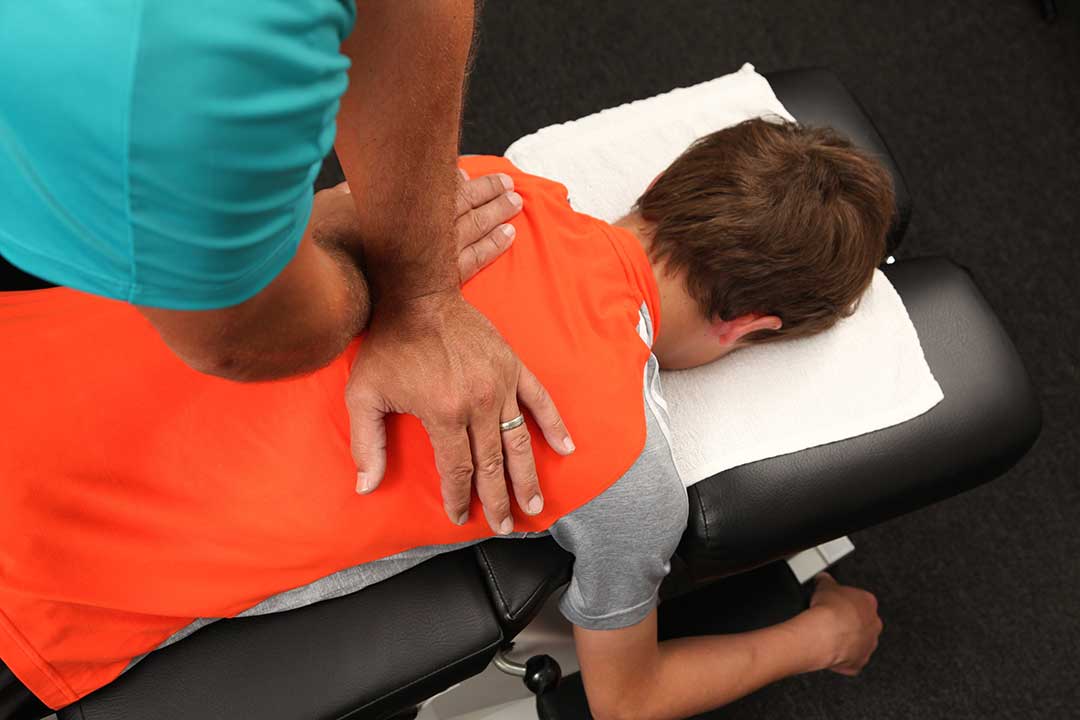
Management depends on the underlying condition and the type of symptoms. For general stiffness without a new injury, gentle movement is often more useful than prolonged bed rest.
Helpful approaches may include:
- Use warmth, such as a warm shower or heating pad, for stiffness before activity.
- Use a cold pack wrapped in a cloth for short periods when swelling follows activity.
- Change positions regularly during work, television viewing, or travel.
- Choose supportive footwear for wet or uneven outdoor surfaces.
- Stretch gently rather than bouncing or forcing a painful joint.
- Maintain regular, low-impact activity when conditions permit.
- Protect hands and other exposed areas from cold and dampness.
- Follow medication directions carefully and consider medical conditions that may make certain medicines unsafe.
Heat should not be applied to an area that is acutely swollen, numb, or injured without appropriate guidance. Ice should never be placed directly against the skin.
Is weather-related pain a sign that something is getting worse?
Not necessarily. A temporary increase in aching or stiffness during a weather change does not automatically mean that arthritis or another condition has progressed. Symptoms can fluctuate even when the underlying joint structure has not changed.
However, persistent or increasing pain deserves attention, especially if it interferes with walking, sleep, work, or daily activities. Weather should not be used to explain away symptoms that are severe, new, or unusual.
Prompt medical evaluation is appropriate for joint pain accompanied by:
- Sudden or major swelling
- Redness or warmth around the joint
- Fever or feeling acutely ill
- Inability to bear weight or use the joint
- A visible deformity after an injury
- Numbness, weakness, or loss of coordination
- Pain that continues after a significant fall or impact
These signs may indicate infection, a serious injury, inflammatory disease, or another condition that requires more than routine self-care.
What should local residents remember?
Weather sensitivity is real for some people, but it is not universal and is rarely the only factor involved. Cold, damp conditions may increase stiffness, while pressure changes, reduced activity, poor sleep, and sudden changes in workload can make symptoms more noticeable.
The most useful approach is to observe personal patterns, keep joints moving comfortably, prepare for cold or wet conditions, and distinguish ordinary fluctuations from warning signs. In the community, where seasonal weather can shift quickly, a flexible routine often helps: warm up gradually, avoid long periods of inactivity, and adjust outdoor activity rather than stopping movement altogether.
