
Anxiety can affect sleep, concentration, breathing, muscle tension, digestion, and everyday decision-making. For residents of Lynbrook, NY, chiropractic care may support physical comfort and stress management in some situations, but it should not be presented as a primary treatment for an anxiety disorder.
The most accurate answer is that chiropractic care might help some people feel less physically tense or more comfortable, particularly when anxiety occurs alongside neck pain, headaches, back pain, or poor sleep. However, current evidence does not establish spinal adjustments as a stand-alone treatment for generalized anxiety disorder, panic disorder, obsessive-compulsive disorder, or other diagnosed mental health conditions.
How can anxiety affect the body?
Anxiety is both a mental and physical experience. The body may respond as though it is facing an immediate threat, even when no physical danger is present.
Common physical effects include:
- Tight muscles in the neck, shoulders, jaw, or lower back
- Tension headaches or headaches associated with poor posture
- Faster breathing or a feeling of being unable to take a full breath
- Restlessness, trembling, sweating, or a racing heartbeat
- Stomach discomfort, nausea, or changes in appetite
- Difficulty falling asleep or staying asleep
- Increased sensitivity to normal aches and bodily sensations
During stressful periods, people may also spend more time sitting, looking down at phones, driving, working at a computer, or remaining indoors. Seasonal cold, reduced outdoor activity, household responsibilities, and crowded daily schedules can add to physical tension without being the underlying cause of an anxiety disorder.
Could chiropractic care reduce anxiety symptoms?
It may help with some physical symptoms that accompany stress, but that is different from treating the cause of anxiety.
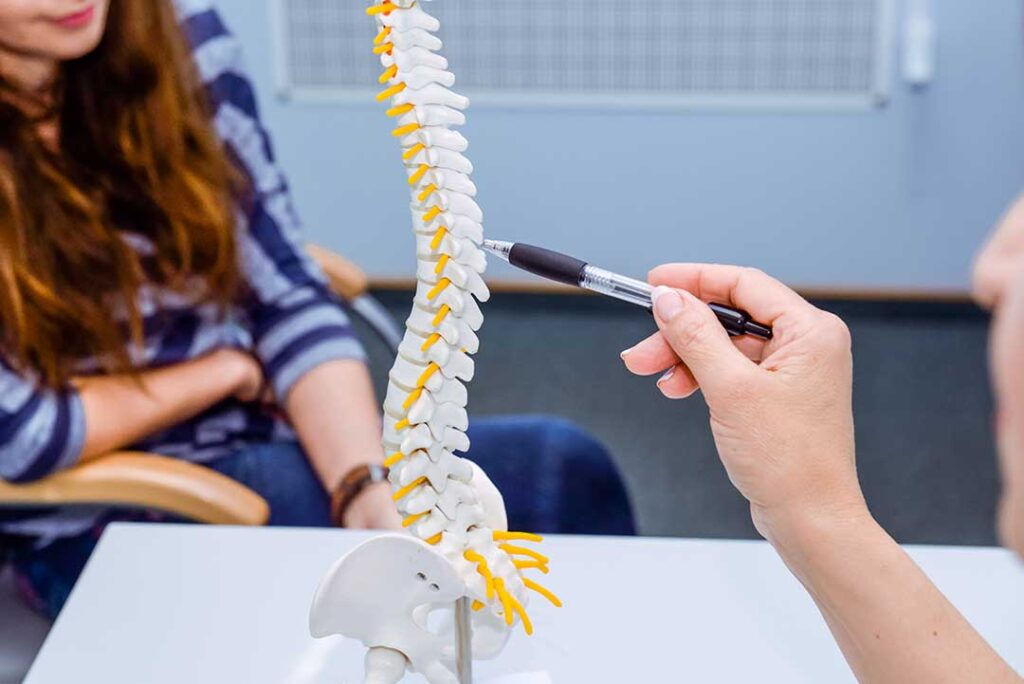
Chiropractic care commonly focuses on the neuromusculoskeletal system, including the spine, joints, muscles, and movement patterns. If a person has muscle tightness or pain that contributes to poor sleep or constant discomfort, improving mobility and reducing pain may make it easier to relax.
Some people report feeling calmer after hands-on care because of:
- Temporary reduction in muscle tension
- A quiet period away from daily demands
- Focused breathing during treatment
- Gentle movement and improved comfort
- Reassurance after discussing a physical concern
These effects may be meaningful, but they do not prove that a spinal adjustment directly corrects anxiety. Research on manual therapies and anxiety has produced mixed results, and studies often include different techniques, small groups of participants, or short follow-up periods. Evidence for chiropractic treatment specifically is less established than evidence for recognized anxiety treatments.
Is anxiety caused by spinal misalignment?
There is no reliable evidence that ordinary spinal misalignment is the general cause of anxiety disorders.
Posture, joint stiffness, and muscle tension can influence how the body feels. Pain may increase irritability, disturb sleep, and make anxious thoughts more difficult to manage. The relationship can also work in the other direction: anxiety may cause muscle bracing, altered breathing, and increased awareness of discomfort.
That two-way relationship does not mean anxiety is a spinal problem. Claims that adjustments can correct a hidden spinal cause of anxiety should be viewed cautiously, especially when they suggest that counseling, medication, or medical evaluation is unnecessary.
What should someone expect from an appropriate chiropractic evaluation?
A responsible evaluation should begin with questions about symptoms, medical history, medications, injuries, sleep, activity, and the reason for seeking care. A physical examination may assess movement, strength, sensation, posture, and areas of pain.
The discussion should distinguish between:
- Anxiety symptoms that occur during pain or physical stress
- Recurrent panic episodes
- Persistent worry that is difficult to control
- Anxiety related to trauma, grief, work, family, or health concerns
- Physical symptoms that may have another medical explanation
Care should be explained clearly, including what it is intended to address and what it cannot treat. No adjustment should be considered a substitute for an evaluation of severe, persistent, or worsening anxiety.
Should chiropractic care replace therapy or medication?
No. Chiropractic care should not replace evidence-based mental health treatment when anxiety is interfering with daily life.
Psychotherapy, especially cognitive behavioral therapy, is widely used for anxiety disorders. Depending on the diagnosis and a person’s medical history, a healthcare professional may also discuss medication. Some people benefit from a combination of therapy, medication, sleep improvement, physical activity, and treatment for related pain conditions.
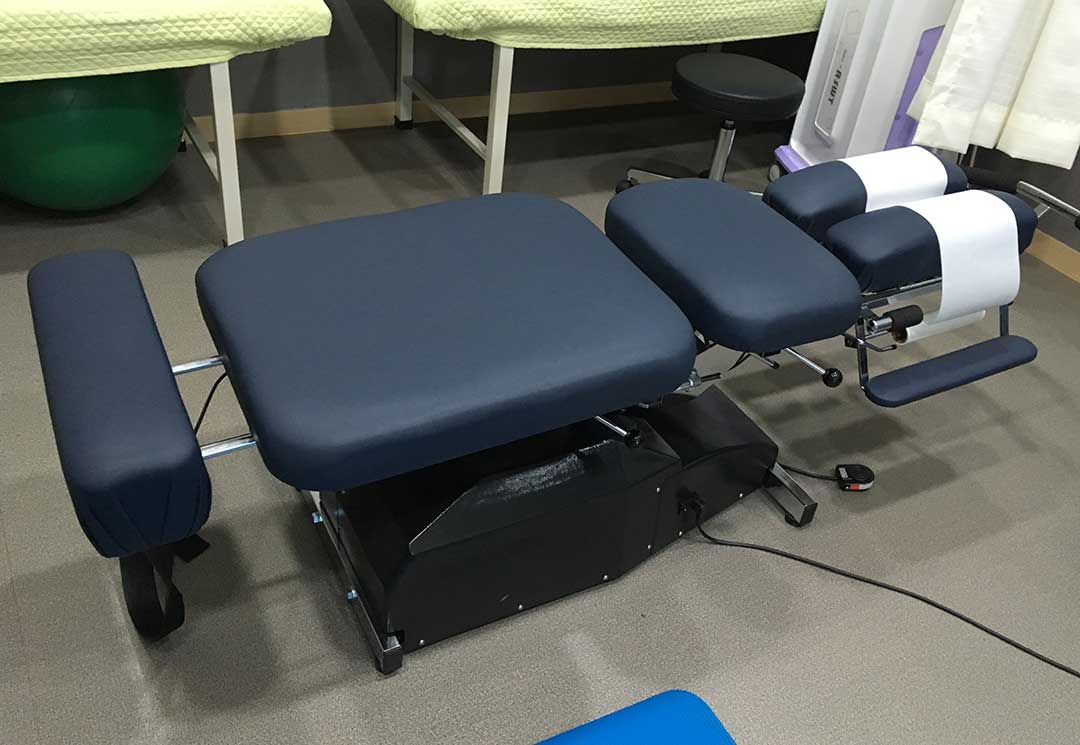
Chiropractic care may be considered an optional supportive approach for musculoskeletal discomfort, provided that expectations remain realistic and other needed care continues. It is also reasonable to choose physical therapy, exercise-based care, relaxation training, massage, or another approach based on personal preferences and medical guidance.
When should anxiety symptoms be medically evaluated?
Anxiety deserves additional evaluation when symptoms are frequent, intense, or affecting work, school, relationships, sleep, eating, or the ability to leave home.
Prompt medical attention is appropriate for new or unexplained symptoms such as:
- Chest pain, fainting, severe shortness of breath, or an irregular heartbeat
- Sudden weakness, confusion, difficulty speaking, or loss of coordination
- Severe headache unlike previous headaches
- Anxiety that begins after a medication, substance, illness, or major physical change
- Thoughts of self-harm or feeling unable to remain safe
Not every racing heartbeat or breathing problem is anxiety. Heart, lung, thyroid, medication-related, and other health conditions can produce similar sensations.
People experiencing a mental health emergency should use emergency services or a crisis resource immediately rather than relying on chiropractic or any other routine outpatient care.
What practical steps may help alongside care?
Physical comfort and nervous-system regulation often improve through consistent habits rather than a single treatment. Useful steps may include:
- Keeping a regular sleep and wake schedule
- Taking brief movement breaks during computer work or long periods of sitting
- Practicing slow breathing without forcing deep breaths
- Limiting excess caffeine, especially later in the day
- Spending time outdoors when conditions allow
- Writing down recurring worries and identifying which concerns require action
- Maintaining contact with trusted people
- Using therapy or medical care when anxiety persists
For local households managing winter weather, indoor work, commuting demands, or limited space for exercise, short walks, gentle mobility exercises, and scheduled breaks may be more realistic than a major lifestyle overhaul.
The practical bottom line
Chiropractic care may help some people with pain, stiffness, muscle tension, or movement-related problems that occur alongside anxiety. It may also provide a calming routine for certain individuals. The evidence does not support using spinal adjustments as a primary or proven treatment for anxiety disorders.
A balanced approach treats the whole situation: physical discomfort can be addressed with appropriate musculoskeletal care, while persistent anxiety should receive evidence-based mental health or medical attention. That distinction helps residents make informed decisions without dismissing either the body’s physical response or the psychological nature of anxiety.
