

What should you do before a chiropractic appointment?
Preparing for a chiropractic appointment mainly involves gathering health information, wearing comfortable clothing, and thinking clearly about the symptoms or movement problems you want to discuss. Most visits begin with questions about your health history and a physical assessment before any hands-on treatment is considered.
You do not usually need to fast or follow a special routine unless the office has given you specific instructions. Eating a normal, light meal and drinking water can help you feel comfortable, especially if the visit includes movement testing.
What information should you bring?
Bring a current list of prescription medicines, over-the-counter medicines, vitamins, and supplements. Include the dose when possible. Some health conditions and medications may affect whether certain types of manual treatment are appropriate.
It is also useful to bring:
- A list of previous injuries, surgeries, or major illnesses
- Information about recent imaging, such as X-rays, MRI scans, or CT scans
- Contact information for other healthcare providers involved in your care
- Insurance or identification information, if needed for the visit
- A written list of questions or concerns
If records are stored electronically, a written summary can still be helpful. The first visit may include many questions, and it can be easy to forget details when describing pain or limited movement.
How should you describe your symptoms?
Try to describe the problem in specific terms rather than simply saying that something “hurts.” Explain where the discomfort is located, when it began, and what makes it better or worse.
Useful details include:
- Whether symptoms started suddenly or gradually
- Whether the problem followed a fall, collision, lifting injury, sports activity, or repetitive task
- Whether pain travels into an arm, leg, shoulder, or hip
- The presence of numbness, tingling, weakness, stiffness, or balance problems
- Activities that are now difficult, such as driving, sleeping, walking, working at a desk, or carrying groceries
- Whether symptoms are worse at a particular time of day
Residents in Lynbrook may notice symptoms after long commutes, extended sitting, household projects, or seasonal outdoor work. These details can help explain how the problem affects daily movement rather than only describing the location of discomfort.
A simple symptom log for several days can be useful. Record the activity, severity, duration, and any changes in movement. A pain score from zero to ten may help track patterns, although the number alone does not explain the entire problem.
What should you wear?
Choose clean, loose-fitting clothing that allows comfortable movement. Athletic pants, stretchable trousers, or other flexible clothing are generally more practical than restrictive jeans, tight belts, stiff jackets, or clothing with bulky accessories.
The clinician may ask you to bend, walk, turn, raise an arm, or change positions. Comfortable clothing makes these movements easier to assess.
Shoes should also be reasonably stable and easy to remove if requested. This can matter when the examination includes walking, standing posture, or lower-body movement.
Should you stretch or exercise beforehand?
Avoid an unusually strenuous workout immediately before the visit. Heavy lifting, intense stretching, or a long exercise session may temporarily change your symptoms and make it harder to understand what is causing them.
Normal daily activity is usually reasonable unless movement significantly increases pain. Do not try to “loosen up” an injured area aggressively before being examined. If a particular movement causes sharp pain, weakness, dizziness, or unusual symptoms, stop and make a note of what happened.
A brief walk may be comfortable for some people, but preparation should not involve testing the limits of an injured area.
What happens during a first visit?
A first chiropractic visit commonly includes a health history, discussion of the main concern, and a physical examination. The examination may involve observing posture, checking movement, assessing tenderness, and testing strength or sensation.
Depending on the symptoms, the clinician may discuss whether imaging or another type of medical evaluation is appropriate. An adjustment or other treatment may occur during the first visit, but it should not be assumed. The plan depends on the examination findings, health history, and the reason for seeking care.
Ask for an explanation before any treatment begins. You should understand:
- What the proposed technique involves
- Why it is being considered
- What benefits may be expected
- What temporary reactions are possible
- Whether there are reasonable alternatives
- What symptoms should be reported afterward
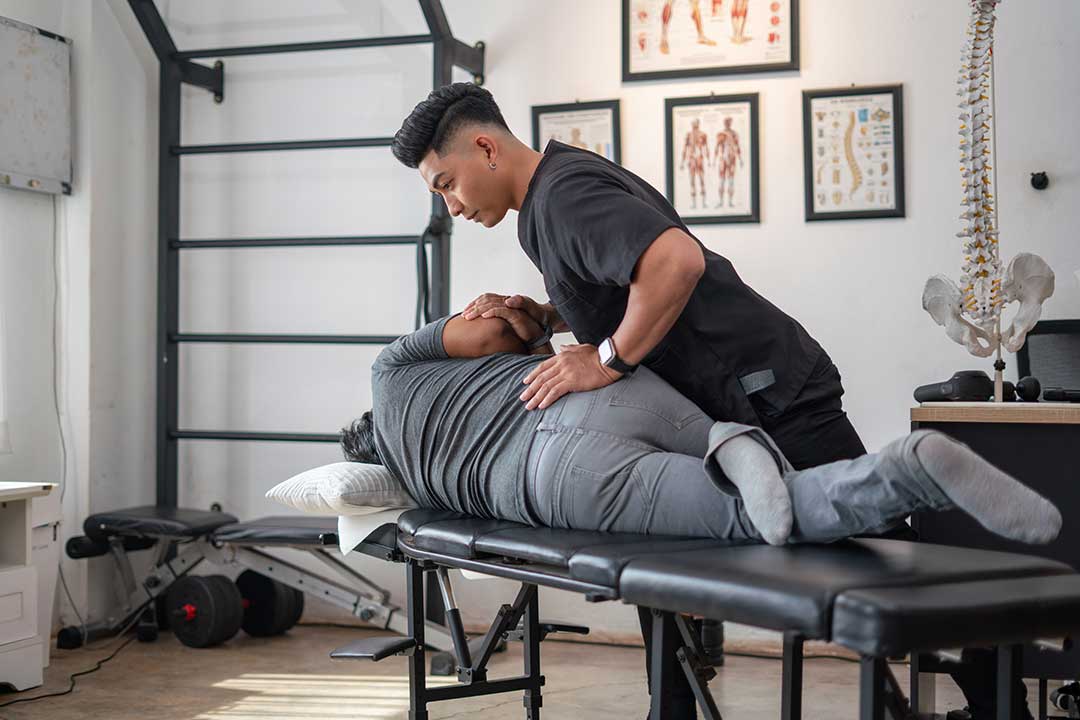
You may decline a technique or ask to pause. Consent should be an ongoing conversation, not a one-time form.
Which health conditions should be disclosed?
Share significant health information even if it does not seem related to the back, neck, or joint problem. Mention osteoporosis, inflammatory conditions, recent surgery, fractures, cancer history, blood-clotting problems, connective-tissue disorders, severe arthritis, or neurological conditions.
Also disclose pregnancy, recent infections, use of blood-thinning medication, and any history of unusual reactions to manual treatment. These details may affect the examination or the type of care considered.
Tell the clinician about new or worsening neurological symptoms, including progressive weakness, loss of coordination, significant numbness, or changes in bladder or bowel control. Such symptoms may require prompt medical assessment rather than routine musculoskeletal care.
Seek urgent medical attention for severe symptoms such as sudden weakness, fainting, chest pain, severe shortness of breath, loss of bladder or bowel control, or pain following a serious injury.
What questions are worth asking?
Good questions help you understand the plan and decide whether it fits your needs. Consider asking:
- What do you think may be contributing to these symptoms?
- What did the examination show?
- Is treatment recommended today, or is more evaluation needed first?
- What changes should indicate improvement?
- What activities should be limited temporarily?
- Are home exercises or movement changes part of the plan?
- How will progress be measured?
- When should the plan be reconsidered if symptoms do not improve?
Be cautious of any plan that does not allow questions or that promises a guaranteed result. Musculoskeletal problems can have different causes, and a reasonable care plan should account for uncertainty.
What should you expect afterward?
Mild temporary soreness, stiffness, or increased discomfort can occur after manual treatment and often settles within a short period. Ask what level of discomfort is expected and what to do if symptoms continue or worsen.
Follow only the activity and exercise guidance provided for your situation. Avoid assuming that more treatment is always better. Progress is usually assessed through changes in pain, movement, strength, function, and the ability to perform ordinary activities.
Keeping notes after the appointment can help. Record how you felt later that day, the next morning, and during activities that normally cause symptoms. This information can make the next discussion more specific and help identify whether the plan is helping.
