

Premenstrual syndrome, or PMS, can cause a mix of physical and emotional symptoms during the days or weeks before a menstrual period. Common concerns include bloating, breast tenderness, fatigue, headaches, irritability, low back pain, muscle aches, and abdominal cramping.
For residents of Lynbrook, NY, chiropractic adjustments may offer limited, symptom-specific support—especially when PMS includes back, pelvic, hip, or muscle discomfort. However, adjustments are not proven to correct hormonal changes or treat the full range of PMS symptoms. They should be viewed as one possible comfort measure rather than a primary treatment for PMS.
What causes PMS symptoms?
PMS is linked to the body’s response to normal hormonal changes during the menstrual cycle. Researchers also recognize that changes involving brain chemicals, fluid balance, sleep, stress, and pain sensitivity may contribute.
Symptoms vary considerably. Some people notice mainly physical discomfort, while others experience mood changes, food cravings, sleep disruption, or difficulty concentrating. Symptoms typically follow a recurring pattern and improve after menstruation begins.
PMS is different from ordinary occasional back pain or an isolated headache. Keeping track of symptoms for at least two menstrual cycles can help show whether problems consistently appear before a period and then ease afterward.
Can chiropractic adjustments directly treat PMS?
No clear evidence shows that spinal adjustments directly change the hormonal processes responsible for PMS. Research on spinal manipulation for non-musculoskeletal conditions, including menstrual symptoms, remains limited, and available studies have not demonstrated a consistent benefit.
An adjustment may still help a separate musculoskeletal problem that becomes more noticeable before or during a period. For example, hormonal changes, bloating, altered sleep, reduced activity, or muscle tension may contribute to:
- Low back or sacroiliac-area discomfort
- Hip or buttock tightness
- Stiffness after sitting
- Muscle aches
- Tension-related headaches
- Pain that spreads from the low back toward the hips or thighs
If an adjustment reduces one of these mechanical pain problems, the person may feel more comfortable overall. That is different from saying the adjustment treats PMS itself.
Which PMS symptoms might respond to musculoskeletal care?
Chiropractic care is most relevant when the main complaint involves the muscles, joints, or spine. Gentle manual treatment, mobility work, posture changes, and home exercises may sometimes help with back stiffness or related discomfort.
For example, someone who spends long periods at a desk, drives frequently, or remains indoors during colder weather may become less active and notice more hip or low-back tightness before a period. In a dense suburban community such as Lynbrook, household routines, commuting, school schedules, and limited time for regular exercise can all influence how discomfort is experienced.
A careful evaluation should distinguish joint or muscle pain from pelvic pain caused by a gynecologic condition. Chiropractic treatment should not be used to diagnose problems involving the uterus, ovaries, reproductive organs, or menstrual blood loss.
What should someone expect from an adjustment?
A responsible assessment begins with questions about the timing, location, severity, and pattern of symptoms. It should also consider pregnancy status, recent injuries, medications, osteoporosis, cancer history, neurological symptoms, and other health conditions.
Treatment may involve:
- Gentle spinal or pelvic mobilization
- Soft-tissue techniques
- Stretching and movement instruction
- Advice about lifting, sitting, sleeping, and activity
- A home exercise plan focused on mobility and strength
A forceful approach is not automatically more effective. If treatment causes worsening pain, unusual symptoms, or discomfort that does not settle, it should be stopped and medically reassessed.
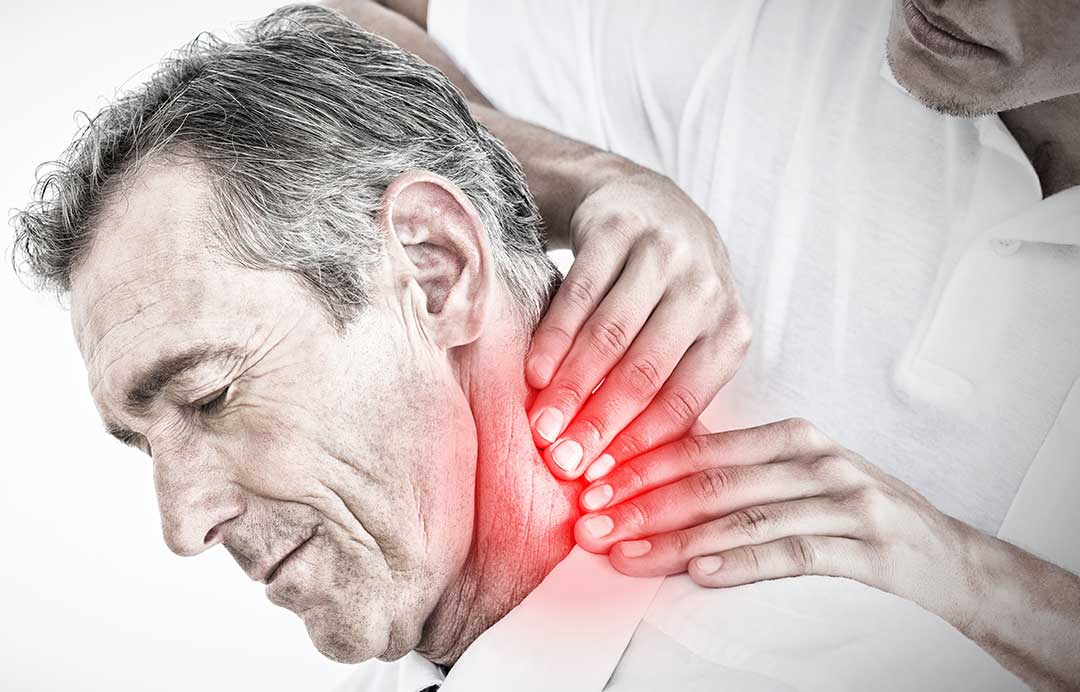
Temporary soreness, stiffness, headache, or increased discomfort can occur after spinal manipulation. Serious complications are uncommon, but risk may be higher for people with certain underlying conditions. Neck manipulation deserves particular caution because rare vascular complications have been reported.
What treatments have stronger support for PMS?
Evidence-based PMS care usually begins with symptom tracking and lifestyle measures. Regular aerobic activity may help reduce fatigue, low mood, and some physical symptoms. Consistent sleep, stress-management practices, and balanced meals may also be useful.
For pain, some people use nonsteroidal anti-inflammatory drugs such as ibuprofen or naproxen. These medications are not appropriate for everyone and may cause stomach bleeding, kidney problems, or medication interactions. Anyone with kidney disease, ulcers, blood-thinning medication use, pregnancy, or other medical concerns should ask a qualified medical provider before taking them.
Depending on symptom severity, medical treatment may include:
- Hormonal contraception to reduce some physical symptoms
- Antidepressant medication for significant mood symptoms
- Cognitive behavioral therapy
- Treatment directed at fluid retention or other specific complaints
- Evaluation for conditions such as endometriosis, fibroids, thyroid disorders, depression, or anemia
Calcium may help some people with physical and mood-related PMS symptoms, but supplements should not be taken in high amounts without medical guidance. “Natural” products are not automatically safe, and many have limited evidence.
When is PMS a reason to seek medical evaluation?
Medical evaluation is appropriate when symptoms interfere with work, school, sleep, relationships, exercise, or everyday responsibilities. It is also important when symptoms are new, rapidly worsening, unusually severe, or no longer follow a familiar monthly pattern.
Seek prompt medical attention for:
- Severe or one-sided pelvic pain
- Fainting, chest pain, or trouble breathing
- Very heavy bleeding
- Fever or unusual vaginal discharge
- New weakness, numbness, or loss of bladder or bowel control
- Severe depression, hopelessness, or thoughts of self-harm
Severe mood symptoms that reliably occur before menstruation and improve afterward may indicate premenstrual dysphoric disorder, or PMDD. PMDD requires more than spinal care alone and may benefit from mental health and medical treatment.
How can chiropractic care fit into a broader plan?
For someone whose PMS includes back or muscle pain, chiropractic care may be considered as a complementary option after serious causes have been ruled out. The most realistic goal is improvement in a specific musculoskeletal complaint—not a promise to regulate hormones, eliminate PMS, or replace gynecologic care.
A practical plan may combine symptom tracking, regular movement, adequate sleep, heat for muscle discomfort, medically appropriate pain relief, and evaluation of persistent or severe symptoms. Chiropractic treatment can sometimes support comfort and mobility within that broader approach, but the evidence does not support using adjustments as a standalone treatment for PMS.
