
Minor aches and pains are easy to dismiss, especially when they do not prevent normal activities. For residents of Lynbrook, NY, everyday discomfort may follow long commutes, desk work, household projects, exercise, winter stiffness, or repeated lifting. In many cases, the cause is temporary. In others, a small symptom is an early sign that the body is not recovering well.
Pain is useful information. It does not always mean serious injury, but it can show that a joint, muscle, tendon, nerve, or movement pattern needs attention.
Why can a minor ache become a larger problem?
A mild ache may begin with a small strain, awkward position, sudden increase in activity, or repetitive motion. If the irritating activity continues, the body may have less opportunity to recover. Muscles can become guarded, joints may move less freely, and a person may unconsciously change how they walk, sit, lift, or sleep.
That compensation can shift stress to nearby areas. For example, discomfort in the lower back may lead someone to sit differently, while shoulder pain may cause extra tension in the neck. The original problem may remain mild while secondary stiffness gradually develops.
Pain that keeps returning deserves more attention than pain that steadily improves. Repeated symptoms may suggest that a movement, workstation, sleeping position, footwear choice, or daily task is contributing to the problem.
When is it reasonable to monitor an ache at home?
A minor ache can often be monitored for a short period when it is mild, clearly connected to activity, and gradually improving. Gentle movement is usually preferable to prolonged bed rest. Complete inactivity can increase stiffness and make a return to normal movement more difficult.
Helpful early measures may include:
- Reducing or modifying the activity that triggered the discomfort
- Taking short movement breaks during desk work or driving
- Using cold during the first day after a minor strain if it reduces discomfort
- Using gentle warmth later if stiffness is the main issue
- Walking lightly or performing comfortable range-of-motion movements
- Paying attention to sleep position and support
- Recording when the pain occurs and what seems to improve or worsen it
Over-the-counter pain medication may not be appropriate for everyone. People with kidney disease, stomach ulcers, blood-thinning medication, pregnancy, medication allergies, or other health concerns should ask a qualified medical professional before using these products.
The key question is not whether the pain disappears immediately. It is whether the overall pattern is improving.
What are signs that an ache should not be ignored?
Pain should be evaluated rather than repeatedly self-treated when it lasts longer than expected, keeps returning, or begins affecting sleep, work, exercise, walking, or household responsibilities. A symptom that is changing a person’s behavior is no longer insignificant, even if the intensity remains low.
Additional reasons to seek medical guidance include:
- Pain that steadily worsens instead of improving
- Symptoms that continue for several weeks
- Pain that travels down an arm or leg
- Numbness, tingling, weakness, or unusual clumsiness
- Swelling, warmth, redness, or significant tenderness
- Pain that began after a fall, collision, or other injury
- Unexplained weight loss, fever, or unusual fatigue
- Pain that repeatedly wakes someone during the night
- New pain in a person with a history of cancer, immune suppression, or prolonged steroid use
These signs do not automatically mean a serious condition is present. They indicate that guessing at the cause may be unwise.
Which symptoms require urgent attention?
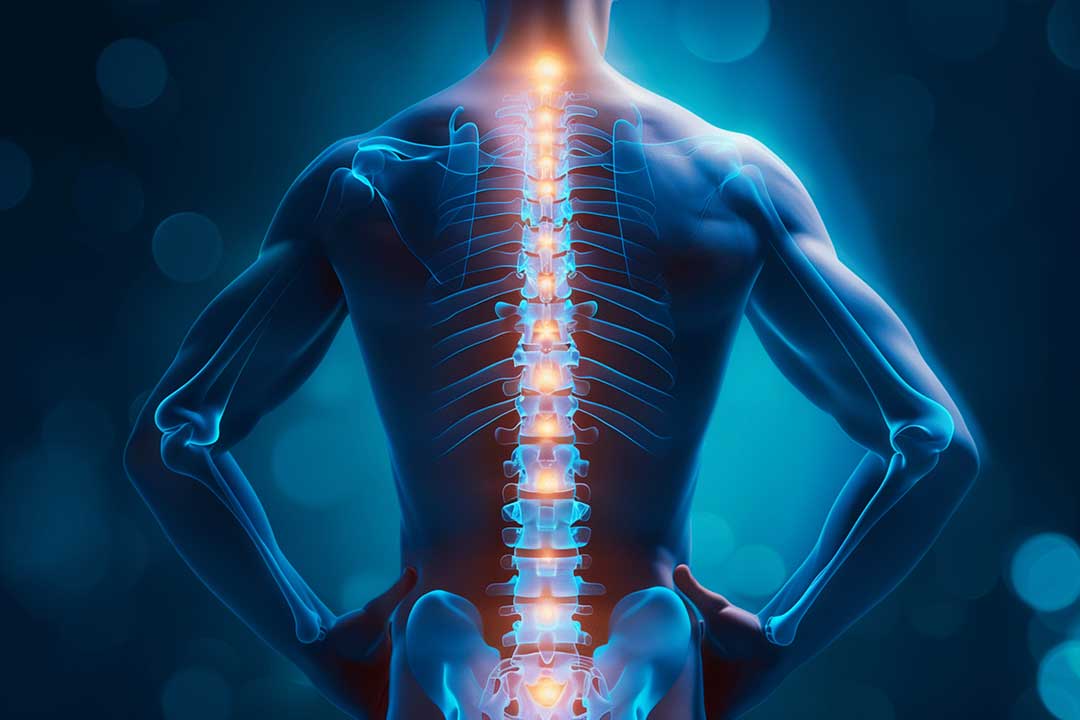
Some symptoms require prompt medical assessment. Severe pain after a major injury, new loss of bladder or bowel control, numbness around the groin or inner thighs, significant leg or arm weakness, difficulty walking, chest pressure, trouble breathing, fainting, or sudden neurological changes should not be managed as an ordinary muscle ache.
Sudden weakness on one side, facial drooping, trouble speaking, or a severe unexplained headache may indicate an emergency unrelated to a typical musculoskeletal problem. Emergency services are appropriate for these symptoms.
A person with back pain and new difficulty controlling urination or bowel movements should seek urgent care. The same is true for rapidly increasing weakness or numbness. Waiting to see whether these symptoms settle can increase risk.
How can a chiropractor help with minor musculoskeletal pain?
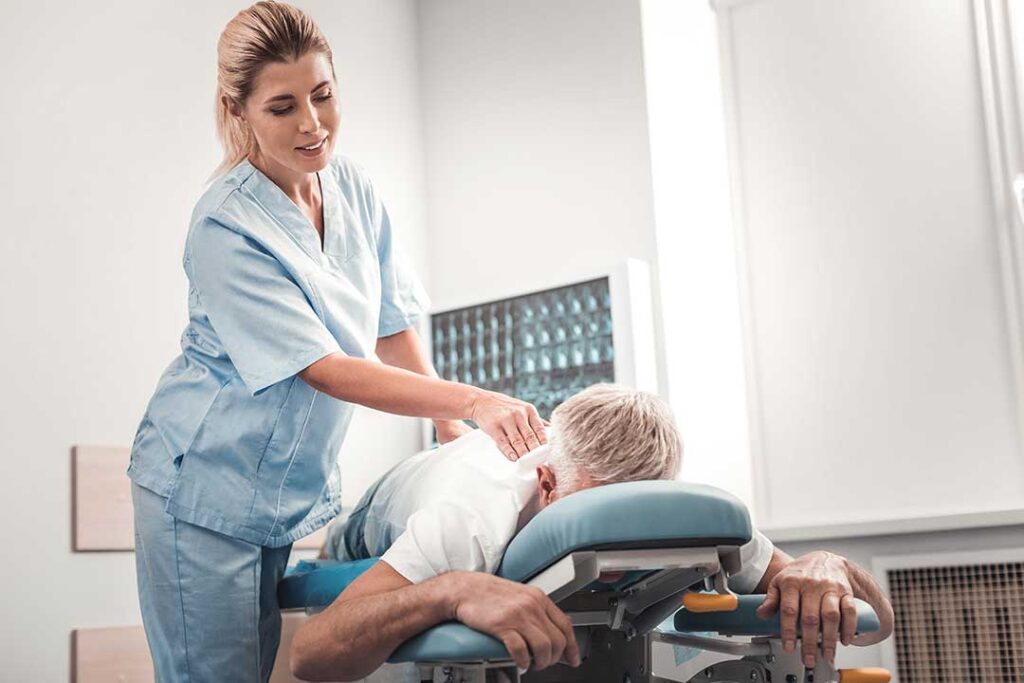
A chiropractor may assess movement, joint mobility, muscle tenderness, posture, and the way symptoms relate to daily activities. Chiropractic care commonly focuses on musculoskeletal concerns such as uncomplicated back or neck discomfort, certain joint problems, and movement-related stiffness.
An evaluation should also include consideration of whether the symptoms fit a condition appropriate for conservative care. If the pattern suggests infection, fracture, significant nerve involvement, an internal medical condition, or another issue outside chiropractic scope, medical referral may be more appropriate.
Spinal manipulation is not suitable for every person or every diagnosis. A careful history matters, including previous injuries, osteoporosis risk, medications, neurological symptoms, and other health conditions. No single treatment should be assumed to explain or resolve every ache.
For persistent or complicated symptoms, coordinated care may involve a primary care clinician, physical therapist, orthopedist, neurologist, or other medical professional. The right type of evaluation depends on the symptoms, the person’s health history, and how the problem developed.
What information should residents track before seeking advice?
A brief symptom record can make an evaluation more useful. Note:
- The exact location of the discomfort
- Whether it feels aching, sharp, burning, electric, or stiff
- When it began and whether it followed a specific activity
- Whether it spreads into an arm, leg, hand, or foot
- What makes it better or worse
- Whether it affects sleep, walking, balance, lifting, or grip
- Any fever, swelling, numbness, weakness, or recent injury
Local routines can also matter. Seasonal snow and ice may lead to slips, sudden shoveling, or hurried lifting. Older housing can involve stairs, repeated carrying, and household maintenance. Long periods of sitting, commuting, or working from home may contribute to neck, shoulder, hip, and lower-back discomfort.
How can minor aches be prevented from becoming persistent?
Prevention usually depends on consistency rather than a single correction. Increase exercise gradually, vary positions throughout the day, use safe lifting mechanics, and avoid making a large jump in weekend activity after a mostly sedentary week.
Strengthening the hips, legs, trunk, and upper back can support everyday movement, while flexibility and balance work may help people move with greater control. Recovery also matters: adequate sleep, regular movement, hydration, and reasonable breaks from repetitive tasks all support normal tissue recovery.
An ache does not need to be severe to deserve attention. Watching its direction, recognizing warning signs, and seeking appropriate guidance when it persists can help distinguish a temporary strain from a problem that needs more thorough evaluation.
