

What does “subluxation” mean?
A subluxation is a partial loss of normal joint alignment or movement. The word has different meanings in medicine and chiropractic care, so understanding the context matters.
In general medical use, a subluxation usually refers to a structural problem in which a joint is partly displaced but not completely dislocated. This type of injury may be visible on imaging, especially after trauma.
In chiropractic discussions, the term may describe a joint or motion segment that is not moving normally or functioning efficiently, even though the joint surfaces remain in contact. This use often focuses on altered movement, stiffness, muscle tension, or reduced joint function rather than a visibly displaced bone.
A chiropractic subluxation should not automatically be understood as a bone being “out of place” or as a condition that causes unrelated diseases throughout the body.
Why can a subluxation matter?
A joint that is moving poorly may affect nearby muscles, ligaments, nerves, and other joints. This can contribute to pain, stiffness, guarding, or reduced range of motion.
For example, a person may notice discomfort when:
- Turning the head while driving
- Bending to lift laundry or groceries
- Standing after sitting for a long period
- Reaching overhead
- Walking after a slip or awkward step
- Sleeping in an unusual position
The symptoms may be felt directly over the affected area, but discomfort can also spread into nearby muscles. Neck irritation may be felt around the shoulders, while lower-back dysfunction may be associated with aching into the hips or buttocks.
These symptoms are not specific to subluxation. Muscle strain, arthritis, disc problems, tendon irritation, nerve compression, fractures, and other conditions can feel similar. A careful evaluation is needed before assigning a cause.
How might a subluxation develop?
A change in joint movement can follow a sudden event or develop gradually.
Common contributors include:
- A fall, collision, or sports-related impact
- Repeated lifting, bending, or twisting
- Long periods of sitting or looking downward
- Muscle fatigue or weakness
- An awkward sleeping position
- Guarding after an earlier injury
- Repetitive household or work tasks
Local seasonal conditions can also play a role. During icy or snowy periods, a slip on a walkway or driveway may cause a sudden change in movement, even when no fracture occurs. Shoveling, carrying wet clothing, moving household items, and lifting children can also place unexpected demands on the spine and surrounding joints.
A subluxation does not always result from poor posture. Posture can influence how the body is loaded, but pain and joint dysfunction usually involve several factors, including activity level, tissue capacity, stress, sleep, prior injury, and general health.
What symptoms can be associated with it?
Symptoms depend on the joint involved and the underlying cause. Possible signs include localized pain, stiffness, tenderness, muscle tightness, or difficulty moving through a usual range.
Some people experience symptoms only with a particular activity. Others may notice discomfort after sitting, standing, or walking for a prolonged period.
A joint that feels stiff does not necessarily have a subluxation. Likewise, the presence of pain does not prove that a joint is misaligned. Pain is an experience influenced by tissues, the nervous system, sleep, stress, and other health factors.
Numbness, tingling, burning pain, weakness, or changes in coordination deserve particular attention because they may suggest nerve involvement or another condition requiring medical assessment.
How is a suspected subluxation evaluated?
Evaluation generally begins with a health history and physical examination. The clinician may ask when symptoms began, whether there was an injury, what activities make them better or worse, and whether symptoms travel into an arm or leg.
The examination may include checking:
- Spinal and joint movement
- Muscle strength
- Reflexes
- Sensation
- Balance and walking
- Tenderness and muscle guarding
- Signs of nerve irritation
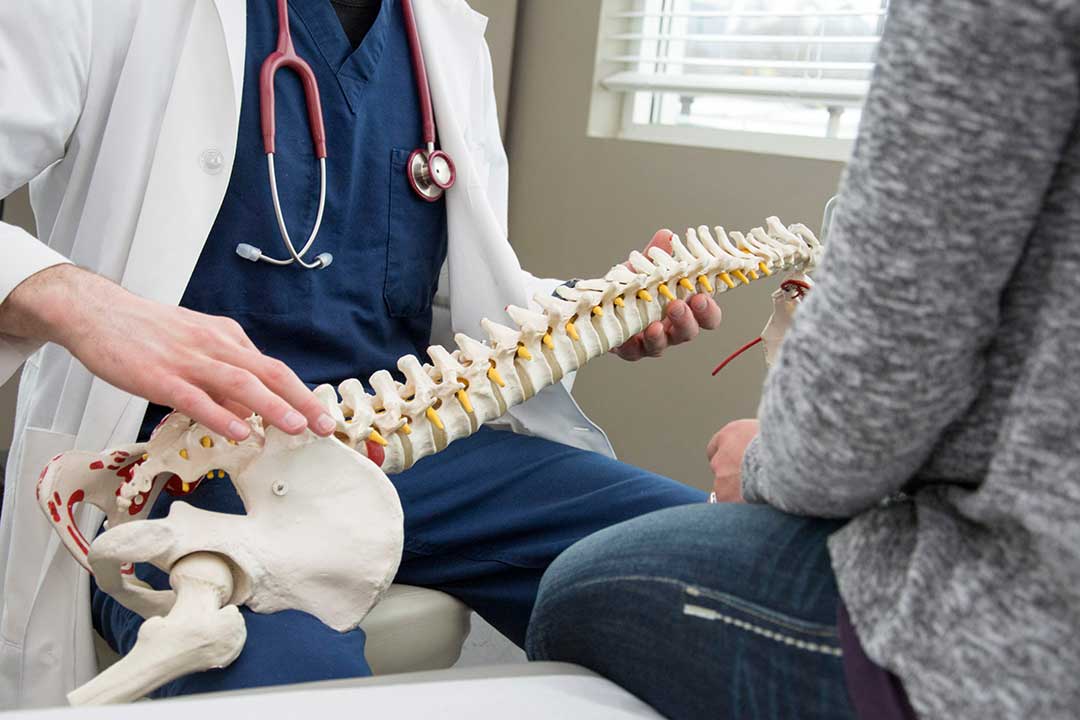
Imaging is not required for every episode of back or neck pain. X-rays, magnetic resonance imaging, or other tests may be considered when there has been significant trauma, symptoms persist, or the examination suggests a fracture, infection, inflammatory disease, serious nerve compression, or another condition that needs further investigation.
A responsible evaluation should distinguish a functional movement problem from a structural subluxation, dislocation, fracture, or neurological disorder.
What treatments may be considered?
Treatment depends on the diagnosis, severity, health history, and goals of the person experiencing symptoms. Options may include temporary activity modification, gentle movement, therapeutic exercise, heat or cold, manual therapy, and education about lifting or work habits.
Spinal manipulation is one form of manual therapy. It uses a controlled force to move a joint, while mobilization uses slower or gentler movement within the joint’s normal range. Research suggests that spinal manipulation may provide modest short-term improvements for some adults with acute or chronic low-back pain, but it is not the only reasonable approach.
Exercise, gradual return to normal activity, sleep support, and other forms of care may be equally relevant. Treatment should be adapted for people with osteoporosis, inflammatory arthritis, recent trauma, blood-clotting problems, cancer, infection, pregnancy, or conditions affecting the nervous system.
Neck manipulation requires especially careful screening because rare but serious complications have been reported. Anyone considering manual treatment should share relevant medical conditions, medications, recent injuries, and neurological symptoms beforehand.
When should symptoms be evaluated urgently?
Back or neck discomfort after a major fall, collision, or other significant impact should be assessed promptly. Urgent medical attention is also appropriate for:
- New or worsening weakness in an arm or leg
- Loss of bladder or bowel control
- Numbness around the groin or inner thighs
- Difficulty walking or maintaining balance
- Severe pain that does not ease or prevents a comfortable position
- Fever, unexplained weight loss, or a history of cancer
- Severe headache, fainting, confusion, or sudden neurological changes
- Neck pain with sudden weakness, trouble speaking, or vision changes
These signs are not typical explanations for an uncomplicated movement restriction and should not be managed solely as a routine musculoskeletal problem.
What practical steps can help?
For uncomplicated stiffness without warning signs, remaining gently active is usually more helpful than prolonged bed rest. Short walks, comfortable position changes, and avoiding movements that sharply increase pain may be reasonable early steps.
Household tasks can be adjusted by dividing loads, keeping objects close to the body, and avoiding sudden twisting while lifting. During slippery weather, slower walking, secure footwear, and attention to uneven surfaces can reduce the likelihood of a fall.
The main reason subluxation matters is not that it explains every pain problem. It matters because altered joint movement may be one part of a larger musculoskeletal issue, and accurate evaluation helps separate a manageable movement problem from an injury or medical condition requiring a different type of care.
