
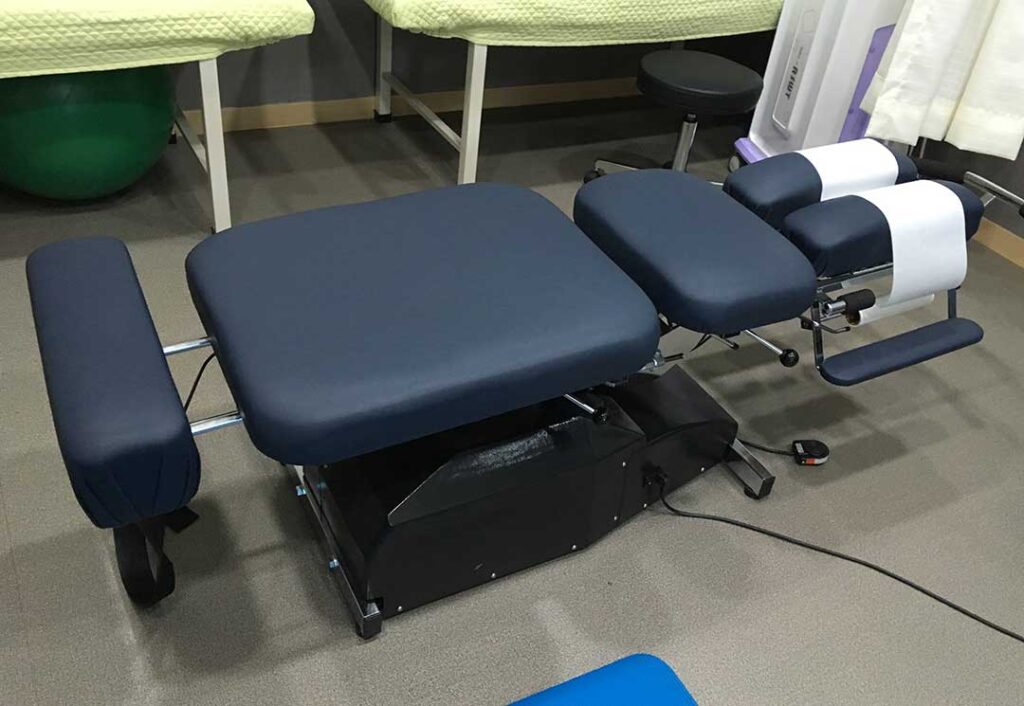
What does a chiropractic adjustment address?
A chiropractic adjustment is a hands-on technique used to improve movement in a joint, often in the spine. It may be considered when pain, stiffness, or restricted motion appears to be related to muscles, joints, posture, or everyday strain.
An adjustment is not automatically appropriate for every type of pain. Similar symptoms can result from a muscle strain, arthritis, a disc problem, nerve irritation, an infection, a fracture, or another medical condition. The first question is not simply whether a joint feels “out of place,” but whether the symptoms fit a musculoskeletal problem that can be safely evaluated and treated with manual care.
In research, spinal manipulation has shown modest benefits for some adults with acute or chronic low-back pain. It is one option among several, including exercise, physical therapy, medication when appropriate, and self-care.
What are common signs that an evaluation may be reasonable?
An evaluation may be reasonable when discomfort is interfering with ordinary movement but does not include emergency warning signs. Common examples include:
- Low-back pain after lifting, bending, gardening, or prolonged sitting
- Neck or upper-back stiffness after working at a computer or using a phone
- Limited ability to turn the head, bend, stand, or walk comfortably
- Aching that improves with gentle movement but returns after staying in one position
- Muscle tightness or joint discomfort that persists for several days
- Recurrent pain that makes sleep, household tasks, commuting, or exercise more difficult
- A sense that one side of the body is moving differently from the other
For residents in Lynbrook, long periods of driving, desk work, household maintenance, and seasonal outdoor chores can all contribute to temporary strain. Cold weather may also lead people to move less, tighten their muscles, or skip warm-up activities before shoveling, carrying, or exercising.
These signs do not prove that an adjustment is needed. They indicate that a proper assessment may help determine whether the source is mechanical and whether manual treatment is suitable.
How can you tell the difference between normal soreness and a problem worth checking?
Mild soreness after unfamiliar activity often improves over 24 to 72 hours. Rest from the aggravating activity, gentle movement, adequate sleep, and avoiding prolonged bed rest may be helpful.
Pain deserves closer attention when it:
- Continues to worsen rather than gradually improve
- Repeatedly returns during ordinary activities
- Limits walking, lifting, reaching, or turning
- Causes a noticeable reduction in strength or coordination
- Continues for more than a few days after a minor strain
- Makes it difficult to work, sleep, or manage routine responsibilities
A useful way to describe symptoms is to record when they began, what activity preceded them, where the discomfort travels, and which positions make it better or worse. That information can help distinguish localized muscle or joint pain from symptoms involving a nerve or another body system.
Does pain traveling into an arm or leg mean an adjustment is needed?
Not necessarily. Pain that travels from the back into a leg, or from the neck into an arm, may involve irritation or compression of a nerve. Tingling, burning, numbness, or weakness can also occur.
These symptoms should not be treated as proof that a joint needs to be “put back in place.” They require a careful examination. Depending on the findings, appropriate care could involve activity modification, therapeutic exercise, medical evaluation, imaging, or another approach rather than manipulation.
New or increasing weakness, loss of coordination, or widespread numbness requires prompt medical assessment. Sudden severe symptoms should be treated as urgent.
What warning signs mean an adjustment should wait?
Some symptoms can indicate a condition that requires medical evaluation before any manual treatment. Seek urgent medical care for back or neck symptoms accompanied by:
- Loss of bladder or bowel control
- Numbness around the inner thighs, groin, or buttocks
- Significant or rapidly worsening weakness in an arm or leg
- Severe pain after a fall, collision, or other injury
- Fever, chills, or feeling acutely ill
- Unexplained weight loss or a history of cancer
- Severe pain that is constant, especially at night
- New symptoms in a person with a weakened immune system or serious bone disease

A sudden, severe headache, trouble speaking, facial drooping, fainting, vision changes, or one-sided weakness is an emergency and is not a situation for chiropractic treatment first.
Are neck adjustments safe for everyone?
Neck manipulation requires particular caution. Mild temporary soreness, stiffness, or headache can occur after spinal manipulation. Serious complications are uncommon, but potentially severe problems involving nerves or blood vessels have been reported.
A thorough health history matters. Information about recent injuries, osteoporosis, blood-clotting problems, vascular conditions, neurological symptoms, pregnancy, medications, and previous surgery can affect whether a technique is appropriate. A person should be able to ask what treatment is being proposed, what alternatives exist, and what symptoms should prompt follow-up.
Gentler approaches, such as mobilization, stretching, exercise, or soft-tissue techniques, may sometimes be considered instead of a forceful thrust. Treatment should be based on the examination rather than on a routine assumption that every visit requires an adjustment.
What should happen before an adjustment?
A responsible evaluation should include questions about the onset and pattern of symptoms, a review of health history, and an examination of movement, strength, sensation, and reflexes when relevant.
The assessment should also consider whether the pain could be coming from somewhere other than the spine. For example, chest discomfort, abdominal pain, unexplained shortness of breath, or symptoms associated with illness should not be attributed to posture or joint stiffness without medical evaluation.
Imaging is not necessary for every episode of back or neck pain. It may be considered when there has been significant trauma, neurological change, suspected infection, possible fracture, or symptoms that do not improve as expected.
What can you do before seeking an evaluation?
For uncomplicated soreness, reasonable first steps may include:
- Keep moving gently rather than staying in bed for long periods
- Avoid the specific activity that clearly increases symptoms
- Use heat or cold according to comfort
- Adjust a workstation so the screen, chair, and keyboard support a neutral posture
- Take brief movement breaks during desk work or driving
- Warm up before yard work, exercise, or lifting
- Lift with the load close to the body and avoid twisting while carrying it
- Note changes in pain, mobility, numbness, or strength
An adjustment may be one possible treatment for selected musculoskeletal problems, but it is not a universal remedy and should not delay evaluation of warning signs. The most useful decision depends on the cause, duration, severity, and pattern of symptoms.
