

Migraines can affect work, school, family responsibilities, and daily routines. For residents of Lynbrook, NY, chiropractic care may be worth discussing as one possible supportive approach—but current evidence does not show that spinal manipulation reliably treats the underlying neurological disorder that causes migraine.
Chiropractic treatment may be more relevant when migraine occurs alongside neck pain, muscle tension, restricted movement, or a headache that begins in the neck. It should generally be considered complementary care, not a replacement for medical diagnosis, migraine medication, or evaluation by a headache specialist.
Can chiropractic care reduce migraine symptoms?
Possibly, but the evidence is limited and mixed. Some studies have found that spinal manipulation may reduce migraine frequency, pain intensity, or disability for certain people. However, the studies have often been small, used different treatment methods, or had other design limitations.
A person may experience fewer headaches after chiropractic care because treatment addresses contributing factors such as:
- Neck stiffness or reduced cervical movement
- Muscle tension in the upper back, shoulders, or jaw
- Poor workstation or sleeping posture
- Reduced physical activity
- Stress-related muscle tightening
- A separate neck-related headache that was mistaken for migraine
This does not mean that migraine is caused by a “misaligned spine.” Migraine is a neurological condition involving changes in the nervous system and can include throbbing pain, nausea, sensitivity to light or sound, and sometimes visual or sensory symptoms.
Which headaches may respond better to hands-on care?
Chiropractic or other musculoskeletal treatment may be more useful for cervicogenic headaches than for classic migraine. A cervicogenic headache starts from structures in the neck and may cause pain that travels from the base of the skull toward the forehead, temple, or behind one eye.
Neck-related headaches often worsen with certain movements or prolonged positions. They may also involve limited neck motion, tenderness, or pain between the shoulder blades.
Migraine can occur with neck pain too, so the distinction is not always obvious. Neck discomfort may be an early symptom of an approaching migraine rather than its cause. A careful history of symptoms, timing, triggers, and physical findings is needed before deciding whether the neck is a meaningful treatment target.
What might a chiropractic visit involve?
A responsible evaluation should begin with questions about headache pattern, duration, frequency, medications, injuries, medical conditions, and warning symptoms. It may also include an assessment of neck and upper-back movement, muscle tension, posture, and daily activities.
Care may involve more than a spinal adjustment. Depending on the findings, a plan could include:
- Gentle mobilization rather than forceful manipulation
- Soft-tissue techniques
- Neck, shoulder, and upper-back exercises
- Posture and workstation guidance
- Breathing or relaxation strategies
- Advice about movement breaks and sleep positioning
For people who are sensitive to touch, motion, or neck pressure during a migraine, treatment may need to be postponed or modified. A migraine in progress is not automatically an indication for neck manipulation.
Is neck manipulation safe for people with migraine?
Most people who receive spinal manipulation report only temporary soreness, stiffness, fatigue, or a short-lived increase in headache symptoms. Serious complications are considered rare, but they can occur. Sudden neck movements have been associated with cervical artery dissection, a tear in an artery that can lead to stroke. Research continues to examine how often this occurs and whether manipulation directly causes it, because similar artery problems can also begin spontaneously.
Extra caution is appropriate for anyone with:
- A history of stroke or blood-vessel disease
- Recent neck injury or whiplash
- Known connective-tissue disorders
- Unusual dizziness, fainting, or neurological symptoms
- Bleeding disorders or use of blood-thinning medication
- Severe or unexplained neck pain
- Pregnancy or other health conditions requiring treatment modification
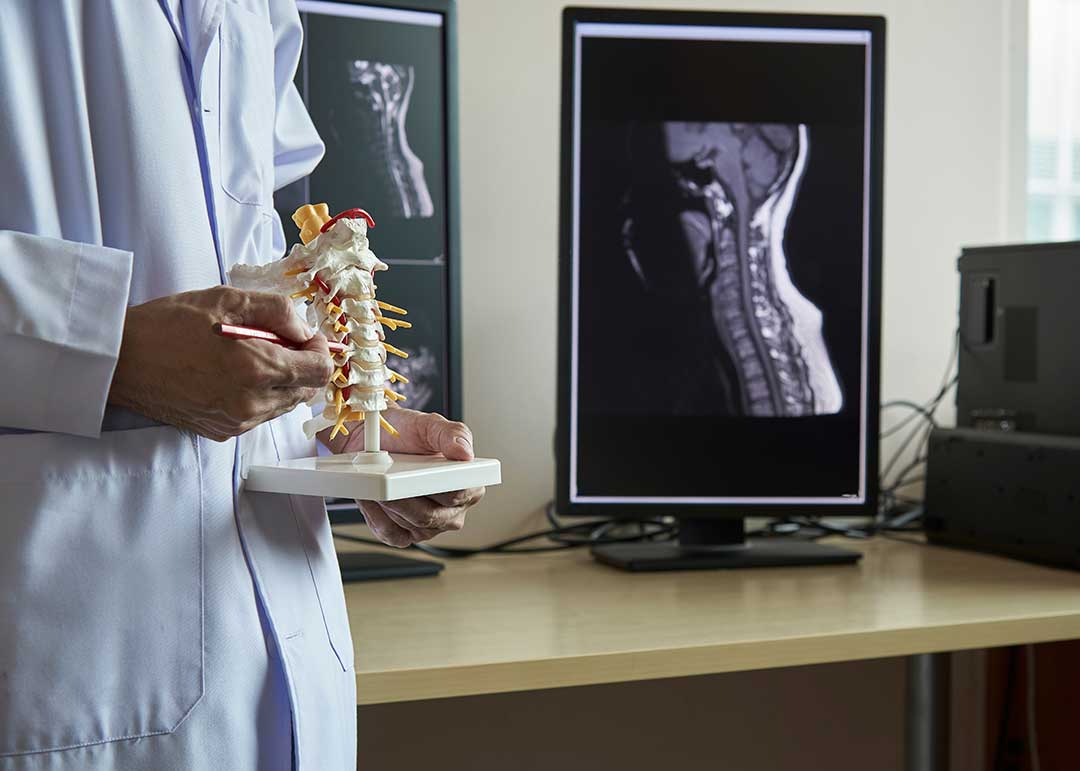
A person should clearly share medical history and medications before any neck-focused procedure. No treatment should be performed if the symptoms suggest an emergency or a headache caused by another medical problem.
When should a migraine be evaluated medically first?
A new, rapidly worsening, or distinctly different headache deserves medical evaluation before chiropractic treatment. Urgent care is especially important for a headache that:
- Reaches maximum intensity suddenly
- Begins after a head or neck injury
- Occurs with weakness, numbness, confusion, fainting, trouble speaking, or trouble walking
- Includes fever, stiff neck, seizure, or a new rash
- Is accompanied by persistent vomiting or major vision changes
- First appears during pregnancy or after childbirth
- Starts for the first time after age 50
- Occurs with severe eye pain or a visibly abnormal eye
- Becomes progressively more frequent or severe
These signs can point to stroke, infection, bleeding, uncontrolled blood pressure, or another condition that requires prompt assessment. A chiropractic visit should not delay emergency care.
How does chiropractic care fit with standard migraine treatment?
For many people, the most effective plan combines several strategies. Medical care may include an acute medication taken during an attack and preventive treatment when migraines are frequent, disabling, or difficult to control. A clinician may also assess medication-overuse headache, sleep problems, hormonal patterns, anxiety, jaw clenching, and other contributors.
Supportive habits can be useful in the community’s changing seasonal conditions, including regular hydration, consistent meals, stable sleep schedules, indoor air comfort during heating season, and breaks from prolonged screen or driving positions. Keeping a headache diary can help identify whether neck treatment is associated with meaningful improvement or whether symptoms follow unrelated triggers such as missed meals, stress, weather changes, or hormonal shifts.
If chiropractic care is tried, useful measures include the number of migraine days, pain severity, duration, medication use, and activity limitations. Improvement should be judged over time rather than by whether the neck feels temporarily looser after a visit.
What is a realistic expectation?
Chiropractic care may help some people who have migraine combined with neck or musculoskeletal problems, particularly when treatment emphasizes gentle techniques, exercise, and practical self-management. It is not a guaranteed migraine treatment, and evidence does not support broad claims that spinal adjustments cure migraine or correct a single structural cause.
The most reasonable approach is individualized and cautious: confirm the headache diagnosis, rule out warning signs, discuss treatment options with the appropriate health care providers, and use chiropractic care only as one part of a broader management plan when it appears safe and useful.
