
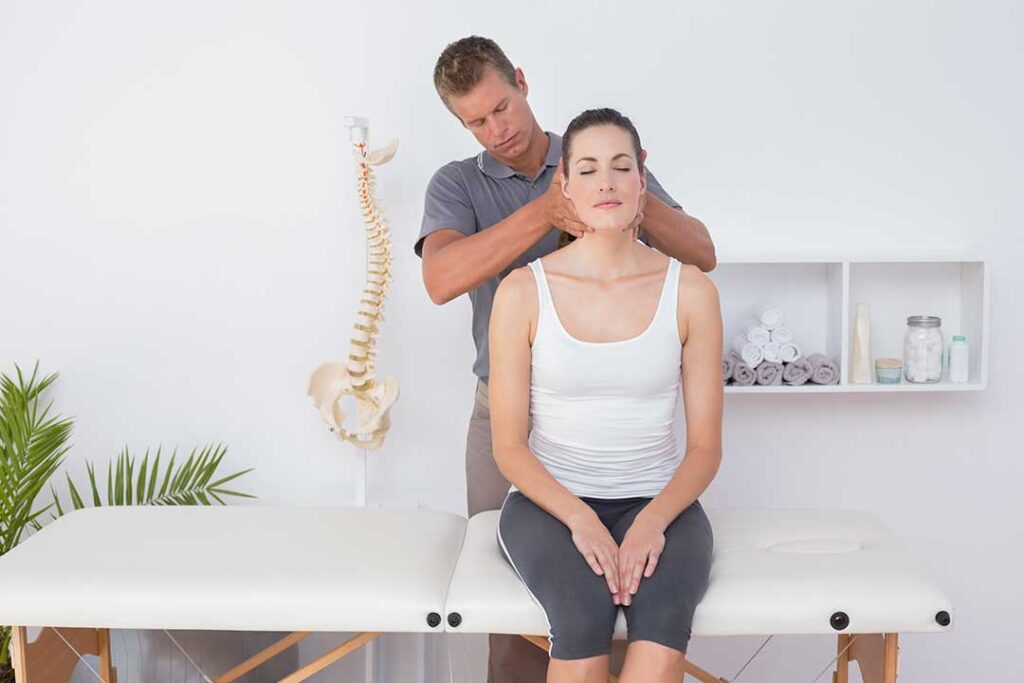
Living with less stiffness and moving more easily usually depends on several habits working together: regular activity, adequate strength, joint-friendly flexibility work, good balance, and attention to pain signals. For residents of Lynbrook, NY, mobility can also be affected by seasonal changes, slippery outdoor surfaces, stairs, commuting, and long periods spent sitting at work or at home.
Mobility is not simply a matter of stretching. It is the ability to control the body through useful movements such as walking, turning, reaching, standing from a chair, climbing steps, and getting down to the floor safely.
What natural approaches can improve mobility?
The most dependable approach combines gentle movement with progressive strengthening. A person does not need intense workouts to begin improving mobility; consistency and gradual progress matter more.
A practical weekly routine may include:
- Walking or another comfortable aerobic activity on most days
- Strength exercises at least two days per week
- Gentle flexibility exercises after warming up
- Balance practice several times per week
- Short movement breaks during long periods of sitting
Adults are generally advised to work toward 150 minutes of moderate physical activity each week, along with muscle-strengthening activities on at least two days. That target can be divided into shorter sessions. Ten minutes of movement is still useful if a longer workout is not realistic.
How does walking help joint and spinal mobility?
Walking supports mobility by repeatedly moving the hips, knees, ankles, and spine in a controlled pattern. It also builds endurance for everyday tasks and may reduce the sense of heaviness that develops after prolonged sitting.
Begin with a pace that allows normal conversation. A five- to ten-minute walk can be repeated once or twice during the day. As tolerance improves, add a few minutes at a time rather than suddenly increasing distance.
Outdoor walking may require extra care during icy winter conditions, heavy rain, or periods of extreme summer heat. Indoor walking, marching gently in place, or using a secure hallway can provide alternatives when sidewalks are uncomfortable or unsafe.
Comfortable footwear with a secure fit is more useful than highly cushioned shoes that feel unstable. If walking consistently increases pain, limping, numbness, or weakness, the activity should be reduced until the cause is better understood.
Which exercises build the strength needed for better movement?
Strength helps the body use available joint motion safely. Without adequate strength, a person may avoid certain movements even when the joints themselves are flexible.
Useful home exercises include:
- Sit-to-stand: Rise from a firm chair and sit down slowly. Use the armrests only as needed.
- Wall push-ups: Place the hands on a wall and bend the elbows while keeping the body controlled.
- Heel raises: Hold a stable surface and slowly lift the heels, then lower them.
- Step-ups: Use a low, secure step while holding a railing or other stable support.
- Hip extension: Holding a counter, move one leg gently backward without arching the lower back.
Start with a small number of repetitions and stop before technique deteriorates. The exercise should feel challenging to the muscles but should not cause sharp, electric, or rapidly worsening pain.
Strengthening can be especially helpful for people who spend much of the day seated, work at a desk, or have become less active after an injury. A gradual routine may also make stairs, household chores, and getting up from low furniture easier.
Is stretching enough to restore mobility?
Stretching can improve comfort and range of motion, but it is rarely enough by itself. Mobility depends on flexibility, strength, coordination, balance, and confidence.
Stretching is usually most comfortable after a brief warm-up, such as walking slowly or moving the joints through an easy range. Hold a mild stretch without bouncing or forcing the body into pain. Common areas to address include the calves, hips, thighs, chest, shoulders, and upper back.
Examples include:
- A calf stretch against a wall
- A seated hamstring stretch with the back relatively straight
- Gentle chest opening with the forearms against a doorway
- Slow shoulder circles
- Controlled neck turns within a comfortable range
A stretch should create mild tension, not numbness, tingling, burning, or sharp pain. Flexibility improvements tend to be gradual. Forcing a joint can irritate surrounding muscles, tendons, or ligaments.
Can balance exercises help prevent mobility problems?
Yes. Balance training helps the nervous system coordinate the eyes, feet, trunk, and legs during movement. It is useful even for people who have not experienced a fall.
Begin near a counter or sturdy chair:
- Stand with the feet close together for 10 to 20 seconds.
- Practice shifting weight from one foot to the other.
- Walk slowly heel-to-toe along a clear surface.
- Rise from a chair without using the hands if it can be done safely.
- Stand on one foot briefly while keeping one hand near support.
Remove loose rugs, improve lighting, and keep pathways clear. These changes are particularly useful in homes with stairs, narrow hallways, or frequently moved furniture. Outdoor caution is also important during icy conditions, when reduced traction can turn a minor loss of balance into a serious fall.
How can daily habits support easier movement?
Small adjustments can reduce stiffness without adding a formal workout. Stand up every 30 to 60 minutes during desk work, television viewing, or reading. Walk while speaking on the phone when safe. Change positions often rather than remaining in one posture for several hours.
Household tasks can provide useful activity, but they should be performed with sensible pacing. Break up activities such as cleaning, carrying laundry, gardening, or shoveling into manageable periods. Keep loads close to the body, avoid twisting while lifting, and use a cart or smaller containers when an object feels too heavy.
Sleep, nutrition, and hydration also influence how the body feels during movement. Adequate protein supports muscle maintenance, while a balanced diet supplies nutrients needed for bones, muscles, and connective tissues. Hydration is particularly relevant during warm, humid weather or increased activity.
Does chiropractic care fit into a natural mobility plan?
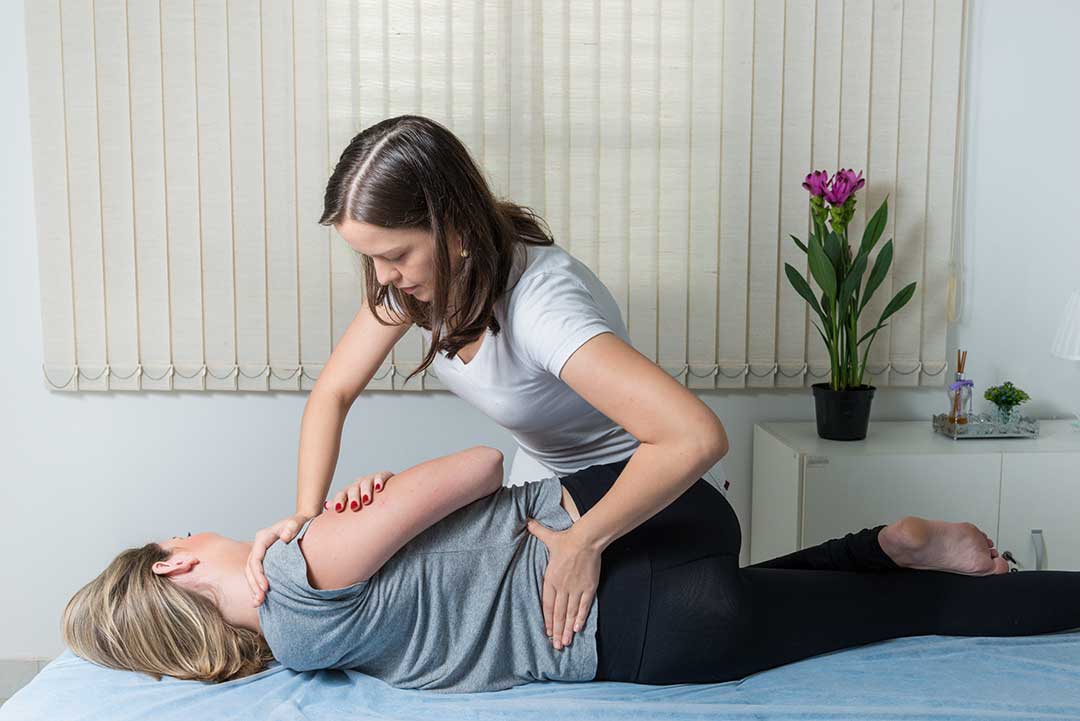
Chiropractic care may be used by some people as part of a broader plan for musculoskeletal concerns, but hands-on treatment should not replace movement, strengthening, balance work, or medical evaluation when symptoms suggest a more serious condition. Mobility strategies should be based on the individual’s symptoms, health history, medications, and physical abilities.
A useful plan focuses on restoring safe function rather than chasing repeated short-term changes. Exercise, education, posture variation, and gradual return to normal activities often remain central regardless of whether manual treatment is included.
When should limited mobility be medically evaluated?
New or worsening mobility problems deserve attention when they interfere with walking, sleep, work, or basic household tasks. Prompt medical evaluation is especially important for:
- Sudden weakness, facial drooping, trouble speaking, or loss of coordination
- New loss of bladder or bowel control
- Numbness in the groin or inner thighs
- Severe pain after a fall or injury
- Inability to bear weight
- Unexplained fever, swelling, or redness
- Chest pain, fainting, severe shortness of breath, or unusual dizziness
- Progressive weakness or repeated falls
For ordinary stiffness, gradual movement is often reasonable. For persistent, severe, or unexplained symptoms, the safest next step is an individualized assessment before increasing exercise intensity.
