
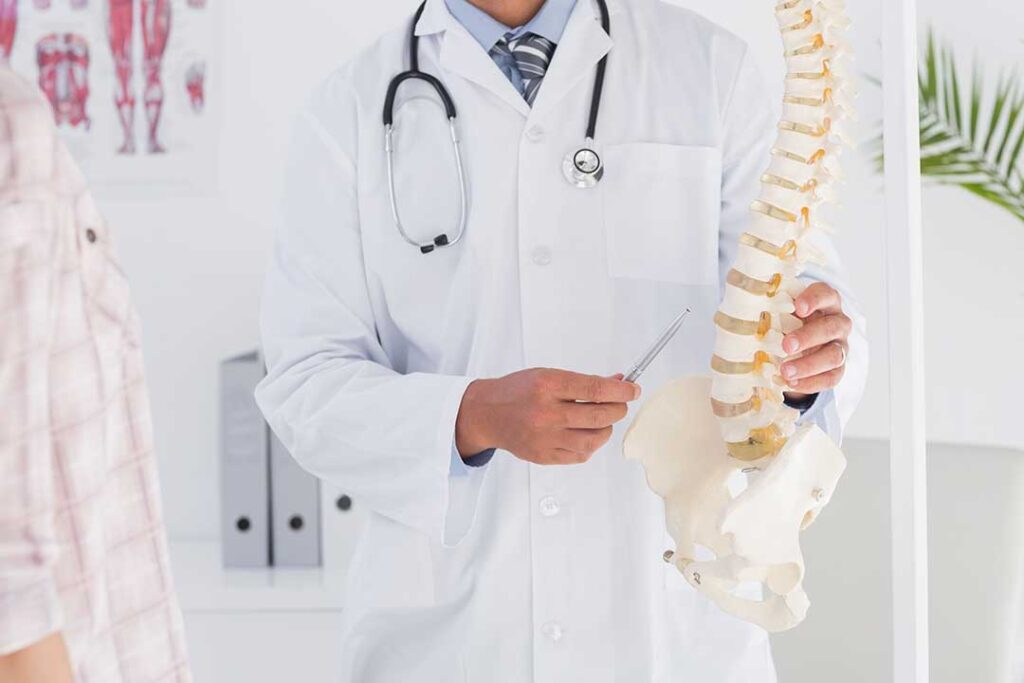
Scoliosis is a sideways curve of the spine that may also involve rotation of the vertebrae. It can appear during childhood, develop during adolescence, or become more noticeable in adulthood. The practical question for many residents is whether chiropractic care can straighten the spine or prevent the curve from worsening.
The short answer is that chiropractic care may help some people manage related discomfort, stiffness, or movement limitations, but current evidence does not show that spinal adjustments can reliably correct a structural scoliosis curve or replace established treatments such as observation, bracing, physical therapy, or surgery when those treatments are indicated.
What is scoliosis?
Scoliosis is more than poor posture. A person with scoliosis may have a spine that curves to the side and rotates, creating uneven shoulders, a prominent shoulder blade, an uneven waist, or a difference in hip height.
Some curves are mild and cause no symptoms. Others may contribute to muscle fatigue, reduced mobility, back pain, or difficulty tolerating prolonged sitting and standing. In adults, discomfort may also relate to arthritis, disc changes, muscle imbalance, or narrowing around spinal nerves rather than the curve alone.
Scoliosis can be:
- Idiopathic, meaning no specific cause is identified. This is common in adolescents.
- Congenital, caused by differences in how the vertebrae formed.
- Neuromuscular, associated with conditions affecting muscles or nerves.
- Degenerative, developing or progressing in adulthood as spinal joints and discs change.
A visible asymmetry does not confirm scoliosis. A clinical examination and, when appropriate, standing X-rays are used to evaluate the curve and measure its severity.
Can chiropractic care straighten scoliosis?
Chiropractic adjustments have not been shown to consistently reduce or permanently correct a structural scoliosis curve. A person may stand straighter or feel less restricted after treatment because muscle tension, joint stiffness, or pain has improved, but that short-term change is not the same as changing the underlying spinal deformity.
This distinction matters because some advertisements and online videos imply that repeated adjustments can “realign” a curved spine permanently. That claim is not supported by strong evidence. A scoliosis curve should be monitored according to its type, location, severity, age of onset, and likelihood of progression.
For children and teenagers who are still growing, established treatment decisions generally focus on observation, specialized exercise or rehabilitation, bracing for selected curves, and surgery for certain severe or progressive curves. Chiropractic care should not delay evaluation of a growing child whose curve appears to be increasing.
What symptoms might chiropractic care help?
Chiropractic treatment may be considered as one part of a broader plan for mechanical back pain or stiffness, particularly in adults whose symptoms are influenced by muscle tension, reduced joint mobility, or everyday physical demands.
Possible goals may include:
- Improving comfortable range of motion
- Reducing muscle tightness
- Supporting tolerance for sitting, standing, or walking
- Helping a person participate in an exercise program
- Addressing associated low-back pain when no warning signs are present
These goals are symptom-focused. They do not mean that the treatment is correcting the scoliosis itself.
A careful approach should include a health history, neurological screening, review of prior imaging, and attention to whether symptoms match the known curve. Treatment may involve gentle mobilization, soft-tissue techniques, posture education, and exercise rather than forceful manipulation.
Is spinal manipulation safe for someone with scoliosis?
Safety depends on the individual, the location and severity of the curve, bone health, age, symptoms, and the technique used. Mild temporary soreness, stiffness, or increased discomfort can occur after spinal manipulation. Serious complications are uncommon, but risk may be higher when a person has osteoporosis, spinal instability, inflammatory disease, recent trauma, cancer, infection, neurological symptoms, or certain vascular conditions.
Forceful techniques should be approached cautiously in people with significant spinal deformity, previous spinal surgery, fragile bones, or unexplained pain. Neck manipulation deserves particular caution because rare but serious blood-vessel complications have been reported with sudden neck movements.
Children and teenagers require additional care. Their spines are still developing, and a new or worsening curve should be assessed through an appropriate medical pathway before manual treatment is considered.
What treatments have stronger support for scoliosis?
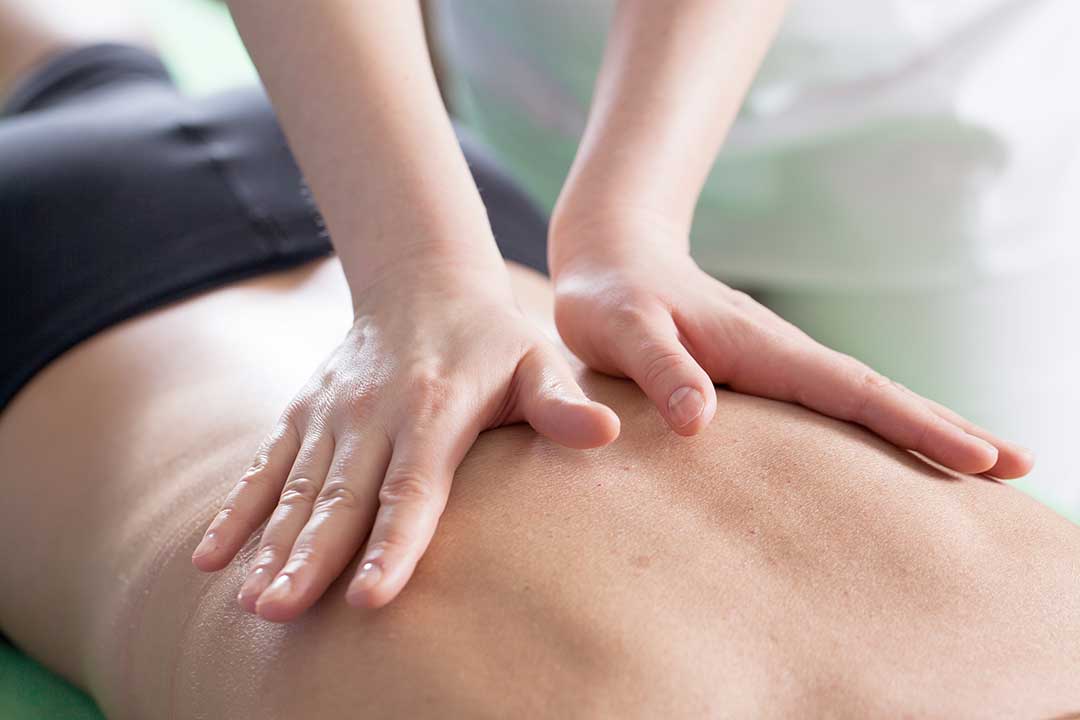
The most suitable treatment depends on age, growth status, curve measurement, symptoms, and progression.
For a mild curve, observation may be all that is needed. Follow-up may include periodic examinations and imaging, particularly during periods of rapid growth.
Bracing can be useful for selected adolescents who are still growing and whose curves fall within a range where limiting progression is a reasonable goal. A brace does not usually eliminate scoliosis, but wearing it as directed may reduce the chance of the curve becoming substantially worse.
Physical therapy may help improve strength, endurance, breathing mechanics, balance, and daily function. Some programs use scoliosis-specific exercises that emphasize controlled posture and three-dimensional correction. Exercise is also valuable for adults, although it should be adapted to symptoms and physical capacity.
Surgery is reserved for certain severe, progressive, or disabling curves. It is not appropriate for most people with mild scoliosis.
When should someone seek prompt medical evaluation?
Back pain is not always caused by scoliosis. Prompt evaluation is especially important when symptoms include:
- New weakness, numbness, or loss of coordination
- Pain traveling down an arm or leg
- Changes in bladder or bowel control
- Numbness around the groin or inner thighs
- Fever, unexplained weight loss, or feeling unusually ill
- Severe night pain or pain that is rapidly worsening
- A curve that appears to be changing quickly
- Back pain after a fall, collision, or other injury
In a child or teenager, uneven shoulders, a raised rib area when bending forward, or a noticeable change in posture deserves assessment rather than assumption that it is simply poor posture.
What should Lynbrook residents consider in daily life?
Local routines can affect symptoms even though they do not cause scoliosis. Long commutes, extended desk work, carrying school bags, home projects, and prolonged standing may aggravate muscle fatigue. Winter conditions can also increase the chance of slips and sudden movements that strain an already sensitive back.
Helpful habits include changing position regularly, using a supportive but comfortable workstation, strengthening the hips and trunk, and building activity gradually. Walking, swimming, and other low-impact activities are often well tolerated, but exercise should be modified if it increases radiating pain, numbness, or weakness.
A balanced care plan keeps expectations realistic: chiropractic treatment may have a role in managing certain symptoms, but it should not be presented as a proven method for reversing scoliosis. Evaluation, monitoring, exercise-based rehabilitation, and timely referral are more important than repeated adjustments alone.
